


- Female
- 25 Years
- 29/01/2025
I've been having some chest pain and got an echo done, and the report mentioned "normal diastolic dysfunction." I'm trying to understand what this means. Should I be worried about it being serious, or is it something normal? I'm a bit anxious about what this report could imply. Could you help clarify this for me?

Answered by 1 Apollo Doctors

See a specialist for accurate diagnosis and targeted treatment.
Dr. Dr Khaleel Suggests...
Consult a Cardiologist
Answered 04/07/2025
0
0

More Cardiology Health Queries
View allDoes your body warn you before a heart attack?
There are some early symptoms which may suggest an impending heart attack. They are chest pain or discomfort which may feel like pressure, squeezing, fullness and pain may radiate to one or both arms, back, neck jaw along with Shortness of breath, sweating, nausea, light-headedness or fainting, upper abdominal discomfort, unsual fatigue, vomiting.


Answered by 1 Apollo Doctors
I'm kinda confused about my blood pressure readings and I'm wondering if I should be worried. My BP is currently 110 over 90is that normal? Sometimes it's 126 over 96, and other times it's 115 over 85. Today it's 110 over 90. Should I be concerned, or is this within a normal range?
Your BP readings are slightly on the higher side of normal, especially the diastolic (90+). Occasional variations can happen, but consistently elevated readings (above 12080) could indicate prehypertension. Monitor it regularly, reduce stress, eat healthy, and consult a doctor if it stays high.
Answered by 1 Apollo Doctors
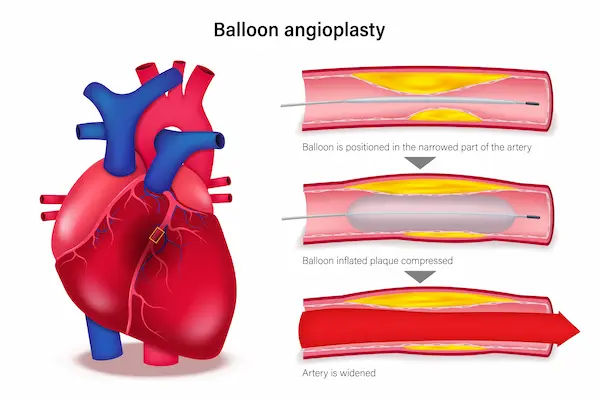
My mom's in the hospital with what's been diagnosed as an MUI heart attack. The doc's saying there's two blockages: one in the LAD that's 80% and another in the LCX at 99%. They've recommended doing angioplasty twicefirst for the LCX, then for the LAD. Is it really necessary to go through the procedure twice? Would love some advice on this.
In cases where multiple coronary arteries have significant blockages, it is not uncommon for doctors to perform angioplasty on separate occasions to address each blockage individually. This approach allows for better management of the procedure and reduces the risk of complications. It is important to follow the advice of your healthcare provider in this situation. The doctor may recommend starting with the LCX artery due to the higher percentage of blockage before proceeding to the LAD artery. The specific medications and dosages will be determined by the healthcare team based on your mother's individual condition.
Answered by 1 Apollo Doctors
Health Articles for you
View all


Disclaimer: Answers on Apollo 247 are not intended to replace your doctor advice. Always seek help of a professional doctor in case of an medical emergency or ailment.