


- Male
- 38 Years
- 29/01/2025
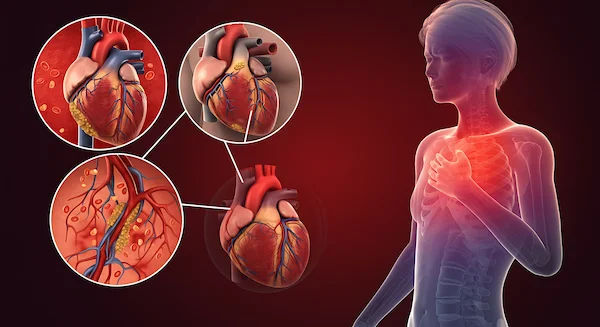
I've been noticing a few things and I'm a bit concerned. Breathing is fine and I don't have any throat pain, but I've been experiencing some chest pain and occasionally my leg hurts. Sometimes there's mucus too. I haven't been exercising for the last month and have mostly been staying at home. Could this be related to my lack of activity, or should I be worried about something else?

Answered by 1 Apollo Doctors

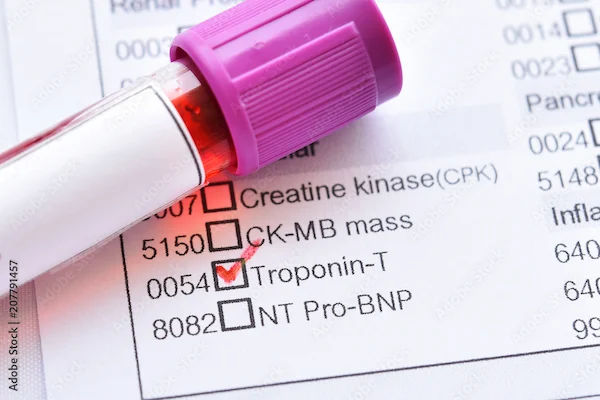
once get your ECG done as a screening for cardiac issues,if it turns out to be normal, General physician consultation would help you.
Dr. Ibrahim Suggests...
Consult a Cardiologist
Answered 04/07/2025
0
0

More Cardiology Health Queries
View allI'm feeling a bit unsure about this medication Prolomet R 25 that my cardiologist prescribed. They said not to worry after some tests, but I found out it's a beta blocker, and I'm concerned because I don't have any blood pressure issues. Could you please guide me on if and how I should stop taking it?
Prolomet R 25, a beta-blocker, is often prescribed for heart-related issues such as palpitations, anxiety, or to improve heart function, even if you do not have high blood pressure. If you have concerns about this medication, do not stop taking it abruptly, as this can lead to withdrawal symptoms or exacerbation of your condition. Instead, consult your cardiologist to discuss your concerns and to determine whether you need to continue the medication or if it can be gradually tapered off under medical supervision. Your doctor can provide a safe plan for discontinuing the medication if it is deemed appropriate.


Answered by 1 Apollo Doctors
I'm really worried about my husband. His total cholesterol is at 290 and his hemoglobin is around 17.3. Could you tell me if it's okay for him to take cholesterol-lowering meds along with ecoaspirin? Also, what can we do to lower his overall cholesterol since his HDL is only 32?
For high total cholesterol, it is advisable to start cholesterol-lowering medication. I recommend starting him on a statin medication such as Lipitor (Atorvastatin) at a dose of 20mg daily. In addition, he can take Ecospirin (Aspirin) for its antiplatelet effects. However, please consult with a doctor before starting any new medication. To help reduce his total cholesterol, it is important to also focus on lifestyle changes. Encourage him to follow a healthy diet low in saturated fats and cholesterol, engage in regular physical activity, and maintain a healthy weight. Increasing his intake of foods high in omega-3 fatty acids like fish, nuts, and seeds can also help improve his HDL levels.
Answered by 1 Apollo Doctors
I'm a bit worried about my heart health after my MI last January 2018. I was hospitalized and prescribed Elaxim, but no surgeries or stent were necessary. For the past year and a half, I've been taking Clavix AS 150 and Tonact 80mg, but recently I've been having a pricking pain in my chest and sometimes muscle cramps. I saw another cardiologist who suggested switching to Remetor CV and Nuroking D3 since my vitamin D and B12 levels are low. Are these new meds going to be effective for me? How does my heart compare to someone with a normal heart now? I also did a TMT a month ago and walked for 14.9 minutes. What should I be careful about? I drink occasionally, like once every 15 days, is that okay? I dont smoke. Also, I get anxious trying to tell apart a stomach pain from a heart pain since I panic every time I feel those chest pains. What should I look out for?
The medications Remetor CV and Nuroking D3 prescribed by your cardiologist are appropriate for your condition, especially considering your low vitamin D and B12 levels. Remetor CV contains a combination of medications to help manage your heart health, and Nuroking D3 will help improve your vitamin D levels. It is essential to follow your doctor's advice and take the shots as recommended to address your nutritional deficiencies. In comparison to a normal person's heart, your heart health may require closer monitoring and specific medications to manage the aftermath of a heart attack. It is crucial to continue taking your prescribed medications, follow a heart-healthy diet, engage in regular physical activity as tolerated, and attend regular follow-up appointments with your cardiologist. Regarding your lifestyle, it is generally safe to consume alcohol occasionally, as long as it is in moderation and does not interfere with your medications or overall health. However, it is advisable to limit alcohol intake and be mindful of any adverse effects it may have on your heart health. To differentiate between gastric pain and heart pain, it is essential to pay attention to the characteristics of the pain. Heart-related chest pain is often described as pressure, tightness, or squeezing sensation that may radiate to the arms, neck, jaw, or back. It is usually triggered by physical exertion or emotional stress and may be accompanied by shortness of breath, sweating, nausea, or lightheadedness. Gastric pain, on the other hand, is typically associated with digestion, may worsen after meals, and can be accompanied by symptoms like bloating, burping, or acid reflux. If you experience chest pain and are unsure of the cause, it is always best to seek medical attention promptly to rule out any serious cardiac issues.
Answered by 1 Apollo Doctors
Health Articles for you
View all

Disclaimer: Answers on Apollo 247 are not intended to replace your doctor advice. Always seek help of a professional doctor in case of an medical emergency or ailment.