


- Male
- 21 Years
- 29/01/2025
I've been really worried about my heart ever since last year when I started having these chest and left arm pains. I got a TMT and echo done back then, and they showed everything was normal, but I'm still having these pains out of nowhere. It's like I'm always scared I'm gonna have a heart attack. Do you think I should get checked again, or could this be something else altogether?

Answered by 1 Apollo Doctors

Since your TMT and echo tests were normal last year, it is less likely to be related to a heart condition. It is possible that your symptoms are more related to anxiety and panic attacks. I recommend discussing with your doctor about the possibility of starting an anti-anxiety medication such as Sertraline (Zoloft) at a low dose initially, along with counseling or therapy to address your fears and anxiety. Additionally, you can consider taking a low dose of Propranolol (Inderal) as needed for chest pain and palpitations. However, it is important to follow up with your doctor for further evaluation and management of your symptoms.
Dr. Dr Khaleel Suggests...
Consult a Cardiologist
Answered 04/07/2025
0
0

More Cardiology Health Queries
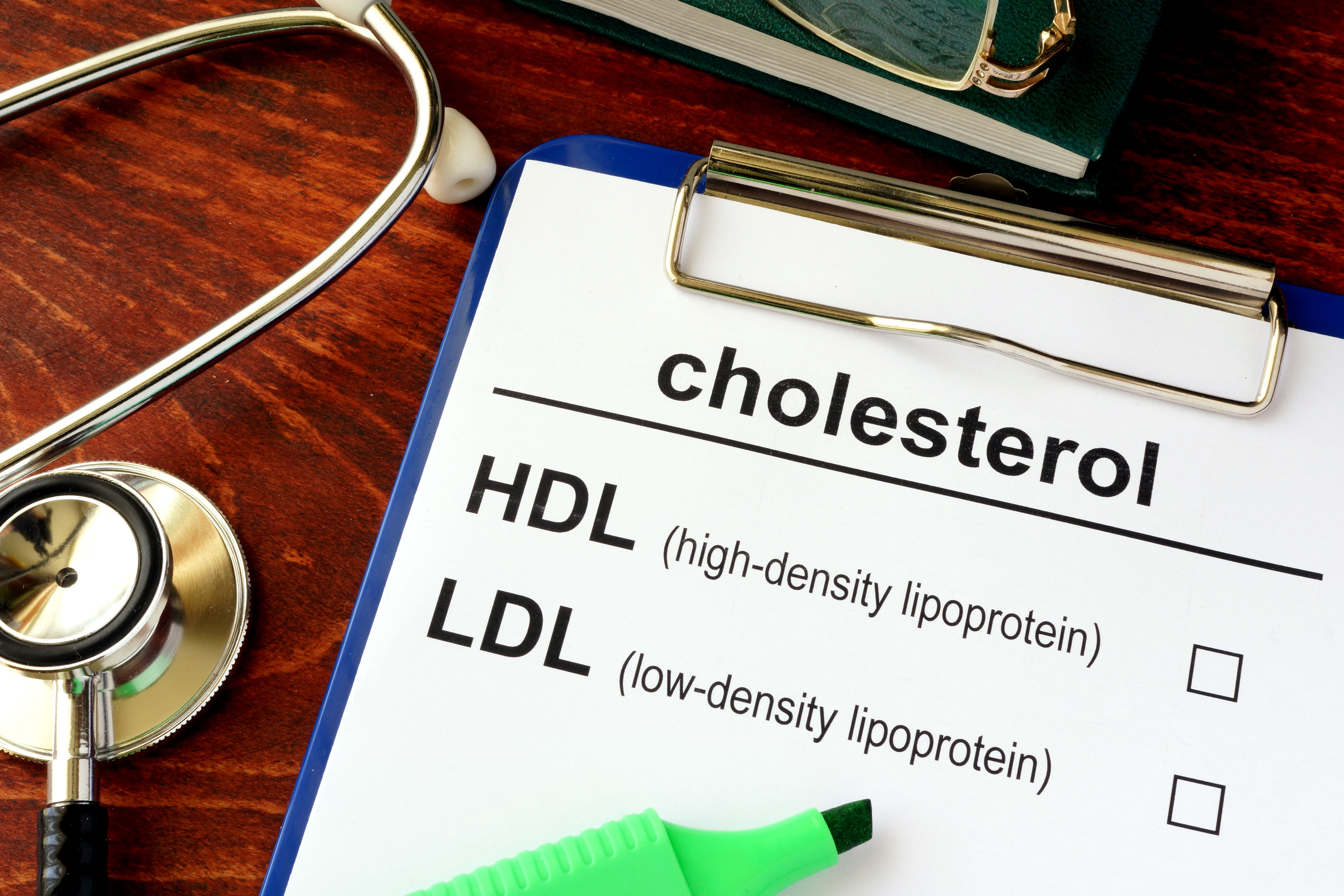
View allMy dad doesn't have any symptoms of a heart attack but his total cholesterol is 251 mg/dL, triglycerides are 625 mg/dL, HDL is 46 mg/dL, and LDL is 110 mg/dL. Can lifestyle changes alone help improve these levels or is surgery necessary like some people are suggesting?
A detailed evaluation will help decide the best course of action.


Answered by 1 Apollo Doctors
I'm a 32-year-old who got over Covid about a month ago, and I just got some test results back. Most things look okay, but I'm a bit concerned about my lipid profile. Here's what it says: Total cholesterol is 184, triglycerides are at 286, HDL cholesterol is 38, LDL is 88.8, and VLDL is 57.2. My CRP is 4.5, platelets are 152, D-dimer is 0.34, and ferritin is 113. Should I be worried about these numbers, and do I need to start any meds?
Based on your lipid profile results, it appears that your triglyceride levels are elevated. To help lower your triglyceride levels, you can consider taking a medication such as Atorvastatin (brand name Lipitor) at a starting dose of 10-20 mg once daily. Additionally, incorporating lifestyle changes such as a healthy diet low in saturated fats and sugars, regular exercise, and weight management can also help improve your lipid profile. It's important to follow up with your healthcare provider for further evaluation and personalized recommendations.
Answered by 1 Apollo Doctors
I'm thinking about doing a TMT in a week since I've had hyper acidity issues. I've already done tests like a thyroid profile, ECG, and echo, and everything came back normal. A friend suggested I should consider a TMT as well. Do you think there's a chance it might show something positive?
A TMT (Treadmill Test) is commonly used to assess the heart's response to stress and can help diagnose coronary artery disease. Given that your thyroid profile, ECG, and echo are normal, the chances of a positive TMT result are lower. However, it is still important to proceed with the TMT as advised. If you experience hyperacidity during the test, you can take antacids like "Ranitidine" 150mg before the test to help manage the symptoms.
Answered by 1 Apollo Doctors
Health Articles for you
View all


Disclaimer: Answers on Apollo 247 are not intended to replace your doctor advice. Always seek help of a professional doctor in case of an medical emergency or ailment.