


- male
- 60 Years
- 22/01/2025
I've been taking cardace 2.5 mg after consulting with Dr. Anand Chopda on August 17th. I've been monitoring my readings every morning before taking the tablet, and they are as follows: Aug 19 - 11277, Aug 20 - 11888, Aug 21 - 11883, Aug 22 - 13385, Aug 23 - 13195, Aug 24 - 12693, Aug 25 - 11773. Should I keep taking the cardace at this dosage, or is there a need for adjustment? I'm a bit concerned about these numbers. Any advice on this?

Answered by 1 Apollo Doctors

Based on the readings you have provided, it seems like your blood pressure has been fluctuating. However, it is important to note that a single reading may not provide a complete picture. Since you have been advised to take Cardace 2.5 mg by Dr. Anand Chopda, it is important to continue the medication as prescribed. The dosage of Cardace 2.5 mg is usually once daily. It is important to take the medication at the same time each day for best results. Additionally, it is recommended to monitor your blood pressure regularly and keep a record of the readings to share with your doctor during follow-up consultations. If you experience any unusual symptoms or have concerns about your blood pressure readings, please consult
Dr. Dhankecha Suggests...
Consult a Cardiologist
Answered 04/07/2025
0
0

More Cardiology Health Queries
View allI've been experiencing this sharp, pricking pain in my chest for about a week, and I'm really not sure what it could be. It doesn't stay in one spot and sometimes it's on the left, sometimes on the right, near the left breast, or even below the shoulder. I got both an ECG and an echo, and they both came back normal, but I'm still worried. Any idea what might be going on?
take treatment


Answered by 1 Apollo Doctors
I'm worried because about a month ago he got dizzy during the night and fell when he got up to use the washroom. Afterward, he felt sweaty but didn't have any chest pain. The next day, his blood pressure was really high at 180110 and his sugar levels were up too. The doctor mentioned RWMA but everything else looked good, and they're suggesting an angiography. Is that really necessary, or are there other options we could consider? He's never had issues like this before, and it all started a month ago when he began these medications: Zilarta 40, Metsmall 1000, Rosurica A 75, and Synx 500. What do you think?
The symptoms of dizziness, sweating, high blood pressure (180110), and elevated sugar levels, along with the doctor's recommendation for angiography, indicate a need for further evaluation of the cardiovascular system. Angiography is a common procedure used to visualize the blood vessels and identify any blockages or abnormalities in the heart. Given the patient's symptoms and test results, angiography may be necessary to assess the extent of any potential heart-related issues, such as coronary artery disease. It is important to follow the doctor's recommendation for further evaluation and treatment to ensure the best possible outcome for the patient's health.
Answered by 1 Apollo Doctors
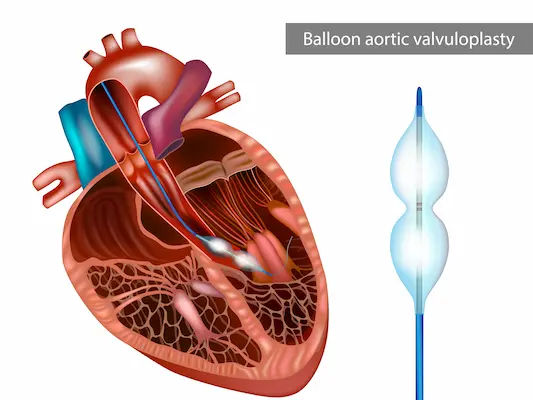
I'm feeling a bit overwhelmed and I really need some guidance here. My dad, who's 57, was recently diagnosed with Calcification of Bicuspid Aortic Valve. The surgeon suggested going with a tissue valve, and we've looked at the upsides and downsides of both tissue and mechanical valves. But I'm still unsure and would love to hear your opinion. What do you think might be the best option for him considering his age and situation?
Visit your Physician for evaluation and appropriate management
Answered by 1 Apollo Doctors
Health Articles for you
View all
.webp)


Disclaimer: Answers on Apollo 247 are not intended to replace your doctor advice. Always seek help of a professional doctor in case of an medical emergency or ailment.