


- male
- 50 Years
- 22/01/2025
I've been tracking my triglycerides, and they were around 260. Lately, I've started doing a brisk walk every day for about 1.5 hours, just following what my doctor suggested. After about 20 days, my triglycerides dropped to 156. Is it normal for them to fall that much, or should I think about getting retested? Also, I'm curious whether high lipid profiles from before can get stuck in the arteries, or do they clear out once the levels go down?

Answered by 1 Apollo Doctors

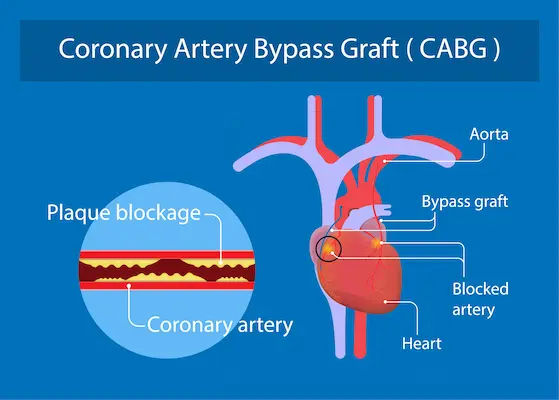
It is possible for your triglyceride levels to decrease with regular exercise like brisk walking. However, it is advisable to repeat the test to confirm the improvement. As for the second part of your question, high lipid profiles can contribute to the buildup of plaque in your arteries over time. Lowering your lipid levels, such as triglycerides, through lifestyle changes and medication can help reduce this buildup and lower the risk of cardiovascular diseases.
Dr. Ranjith Suggests...
Consult a Cardiologist
Answered 04/07/2025
0
0

More Cardiology Health Queries
View allI'm having chest pain that's really concerning me. When I press the center of my chest with my finger, it hurts, and sometimes I feel pain on the left and right sides too, but other times there's no pain at all. Even when I cough, it's like the pain flares up in my chest. Lately, I've also been experiencing some back pain. I have had diabetes for the past 10 years and have been on Novamix 30 insulin. Could you suggest any medication or remedies for relief?
do chest xray


Answered by 1 Apollo Doctors
I'm currently taking Telma 40 in the morning and half a tablet of Ivabradine 5 in the evening, both after meals. I'm wondering if I could possibly take both the Telma and the half Ivabradine together in the morning after breakfast instead of spreading them out. Would that be okay?
Taking Telma 40 and Ivabradine 5 together in the morning after breakfast instead of at different times is not recommended. It is important to follow the prescribed dosing schedule to ensure the effectiveness of the medications. Telma (Telmisartan) 40 should be taken in the morning after food, while Ivabradine 5 should be taken in the evening after food. It is best to follow the prescribed timing to achieve the desired therapeutic effects of both medications.
Answered by 1 Apollo Doctors
Is Egg good for heart?
Most healthy people can eat up to seven eggs a week without increasing their risk of heart disease. Some studies have shown that this level of egg consumption may even help prevent certain types of stroke.
Answered by 1 Apollo Doctors
Health Articles for you
View all.webp)

Disclaimer: Answers on Apollo 247 are not intended to replace your doctor advice. Always seek help of a professional doctor in case of an medical emergency or ailment.