Understanding the Golden Hour for Stroke
Discover the critical importance of the golden hour in stroke treatment. Acting within the first 60 minutes can significantly improve outcomes, reduce brain damage, and increase chances of recovery.

Written by Dr. D Bhanu Prakash
Reviewed by Dr. J T Hema Pratima MBBS, Fellowship in Diabetes Mellitus
Last updated on 13th Jan, 2026

A stroke is a medical emergency that requires immediate attention. Every second counts when someone is having a stroke, and the first hour—often called the "Golden Hour"—is the most critical window for treatment. Acting fast during this time can significantly improve recovery chances and reduce long-term damage.
In this article, we’ll explain what the Golden Hour means, why it’s so important, and how you can recognise the signs of a stroke to help save a life.
What is the Golden Hour for Stroke?
The Golden Hour refers to the first 60 minutes after stroke symptoms begin. During this time, prompt medical intervention can:
- Minimise brain damage: Quick treatment helps restore blood flow to the brain, preventing further harm.
- Improve recovery outcomes: Patients treated within this window have a better chance of regaining speech, movement, and independence.
- Reduce disability risk: Early action can prevent severe long-term effects like paralysis.
Why is the Golden Hour So Important?
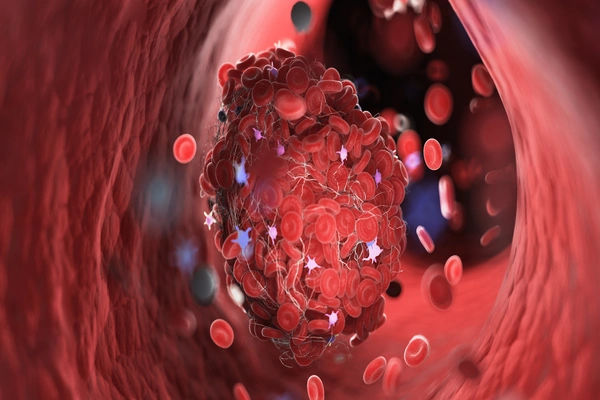
A stroke occurs when blood flow to part of the brain is blocked (ischemic stroke) or when a blood vessel bursts (hemorrhagic stroke). Brain cells begin to die within minutes, leading to permanent damage if not treated quickly.
Key reasons why the Golden Hour matters:
1. Clot-Busting Medications Work Best Early: For ischemic strokes, a drug called tPA (tissue plasminogen activator) can dissolve clots, but it must be given within 3-4.5 hours of symptom onset—ideally within the first hour.
2. Mechanical Thrombectomy (Clot Removal): Some patients may need a procedure to remove the clot, which is most effective when done early.
3. Preventing Further Damage: The sooner treatment starts, the less brain tissue is lost.
Consult Top Heart Specialists
How to Recognise a Stroke: Act FAST!
Recognising stroke symptoms quickly is crucial. Use the FAST acronym to remember the signs:
- F: Face Drooping: Does one side of the face droop when smiling?
- A: Arm Weakness: Can the person raise both arms evenly, or does one drift downward?
- S: Speech Difficulty: Is speech slurred or hard to understand?
- T: Time to Call Emergency: If any of these signs appear, call for help immediately!
Other possible symptoms:
- Sudden confusion or trouble understanding speech
- Severe headache with no known cause
- Trouble walking, dizziness, or loss of balance
- Vision problems in one or both eyes
What Should You Do If Someone Has a Stroke?
1. Call Emergency Services Immediately: Do not wait to see if symptoms improve. Every minute counts!
2. Note the Time Symptoms Started: This helps doctors determine the best treatment.
3. Keep the Person Calm & Safe: Have them sit or lie down to prevent falls.
4. Do NOT Give Food, Water, or Medication: Aspirin or other drugs could worsen bleeding in some cases.
How Can You Reduce Stroke Risk?
While some risk factors (like age or family history) can’t be changed, many lifestyle changes can lower your chances of having a stroke:
- Control High Blood Pressure: The leading cause of strokes. Monitor and manage it with a doctor’s help.
- Quit Smoking: Smoking damages blood vessels and increases clot risk.
- Manage Diabetes & Cholesterol: High sugar and cholesterol levels contribute to artery blockages.
- Exercise Regularly: Even 30 minutes of walking daily improves circulation.
- Eat a Heart-Healthy Diet: Focus on fruits, vegetables, whole grains, and lean proteins.
- Limit Alcohol & Salt Intake: Excessive drinking and sodium raise blood pressure.
When to See a Doctor?
If you or a loved one has risk factors (high BP, diabetes, heart disease), regular check-ups are essential. If you notice warning signs like mini-strokes (TIAs), seek medical advice immediately—they can be a red flag for a future major stroke.
Conclusion
If you have concerns about stroke risks or symptoms, don’t wait. Early detection saves lives. Book a consultation with a neurologist or schedule a health check-up through Apollo 24|7 to stay proactive about your brain health.
The Golden Hour can mean the difference between life and death, recovery and disability. By knowing the signs of a stroke and acting fast, you can help save a life—maybe even your own.
Consult Top Heart Specialists
Consult Top Heart Specialists

Dr. Zulkarnain
General Physician
2 Years • MBBS, PGDM, FFM
Bengaluru
PRESTIGE SHANTHINIKETAN - SOCIETY CLINIC, Bengaluru

Dr. Tripti Deb
Cardiologist
40 Years • MBBS, MD, DM, FACC, FESC
Hyderabad
Apollo Hospitals Jubilee Hills, Hyderabad

Dr. E Prabhakar Sastry
General Physician/ Internal Medicine Specialist
40 Years • MD(Internal Medicine)
Manikonda Jagir
Apollo Clinic, Manikonda, Manikonda Jagir

(225+ Patients)

Dr. Ranga Reddy B V A
Cardiologist
16 Years • MBBS, MD, DM (Cardio), FSCAI(USA), MBA ADMINISTRATION
Hyderabad
Apollo Hospitals Jubilee Hills, Hyderabad
(400+ Patients)

Dr. Deepesh Venkatraman
Cardiologist
10 Years • MBBS, MD (Gen Med), DM (Cardio), DNB (Cardio)
Chennai
Apollo Medical Centre Kotturpuram, Chennai
(100+ Patients)
Consult Top Heart Specialists
Dr. Zulkarnain
General Physician
2 Years • MBBS, PGDM, FFM
Bengaluru
PRESTIGE SHANTHINIKETAN - SOCIETY CLINIC, Bengaluru
Dr. Tripti Deb
Cardiologist
40 Years • MBBS, MD, DM, FACC, FESC
Hyderabad
Apollo Hospitals Jubilee Hills, Hyderabad
Dr. E Prabhakar Sastry
General Physician/ Internal Medicine Specialist
40 Years • MD(Internal Medicine)
Manikonda Jagir
Apollo Clinic, Manikonda, Manikonda Jagir
(225+ Patients)
Dr. Ranga Reddy B V A
Cardiologist
16 Years • MBBS, MD, DM (Cardio), FSCAI(USA), MBA ADMINISTRATION
Hyderabad
Apollo Hospitals Jubilee Hills, Hyderabad
(400+ Patients)
Dr. Deepesh Venkatraman
Cardiologist
10 Years • MBBS, MD (Gen Med), DM (Cardio), DNB (Cardio)
Chennai
Apollo Medical Centre Kotturpuram, Chennai
(100+ Patients)