Types of Stroke and Their Treatments
Explore the main types of stroke—ischemic, hemorrhagic, and transient ischemic attack—and learn about their causes, symptoms, and available treatment options for better recovery and prevention.

Written by Dr. Siri Nallapu
Reviewed by Dr. D Bhanu Prakash MBBS, AFIH, Advanced certificate in critical care medicine, Fellowship in critical care medicine
Last updated on 13th Jan, 2026

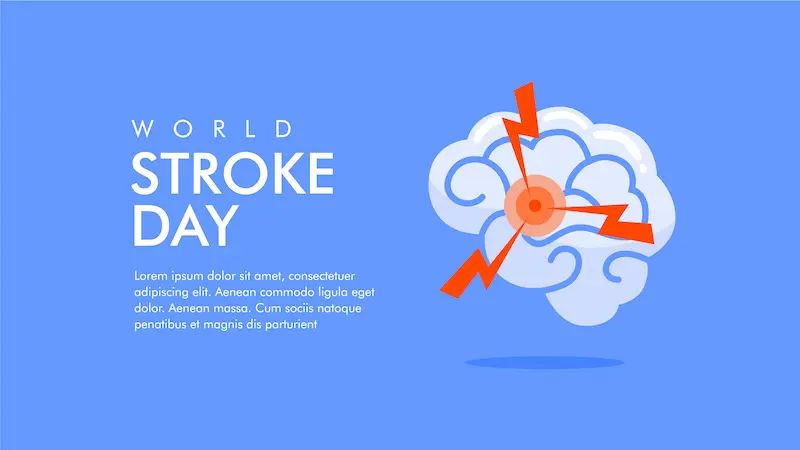
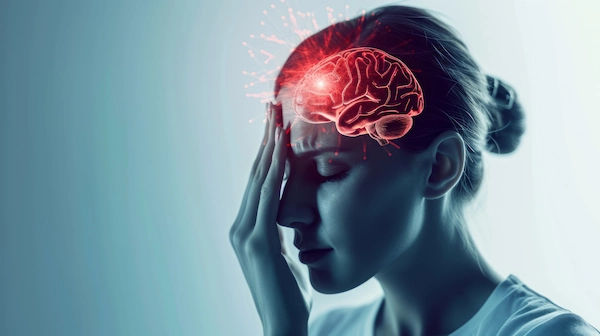
A stroke is a serious medical emergency that occurs when blood flow to a part of the brain is interrupted, depriving brain cells of oxygen and nutrients. Without prompt treatment, a stroke can lead to long-term disability or even death. Understanding the different types of strokes and their treatments can help you recognise warning signs early and seek timely medical care.
What Are the Different Types of Stroke?
Strokes are mainly classified into three types:
1. Ischemic Stroke
This is the most common type, accounting for about 87% of all strokes. It happens when a blood clot blocks an artery supplying blood to the brain. The blockage can occur due to:
- Atherosclerosis (buildup of fatty deposits in blood vessels).
- Embolism (a blood clot that travels from another part of the body, such as the heart).
Symptoms of Ischemic Stroke
- Sudden numbness or weakness in the face, arm, or leg (especially on one side).
- Confusion, trouble speaking, or difficulty understanding speech.
- Vision problems in one or both eyes.
- Severe headache with no known cause.
- Trouble walking, dizziness, or loss of balance.
Treatment for Ischemic Stroke
- Clot-busting drugs (Thrombolytics): Medications like tPA (tissue plasminogen activator) can dissolve the clot if given within 4.5 hours of symptom onset.
- Mechanical Thrombectomy: A procedure where a doctor removes the clot using a catheter (performed within 6-24 hours in eligible patients).
- Blood thinners (Anticoagulants & Antiplatelets): Medications like aspirin or clopidogrel help prevent future clots.
Consult Top Heart Specialists To Know More
2. Hemorrhagic Stroke
This type occurs when a weakened blood vessel ruptures, causing bleeding in or around the brain. It accounts for about 13% of strokes but is often more severe. Causes include:
- High blood pressure (Hypertension): the most common cause.
- Aneurysms (bulges in blood vessels that can burst).
- Arteriovenous malformations (AVMs): abnormal tangles of blood vessels.
Symptoms of Hemorrhagic Stroke
- Sudden, severe headache (often described as the "worst headache ever").
- Nausea or vomiting.
- Seizures.
- Loss of consciousness.
- Weakness on one side of the body.
Treatment for Hemorrhagic Stroke
- Emergency Surgery: To repair the ruptured blood vessel (clipping or coiling an aneurysm).
- Blood Pressure Control: Medications to lower high BP and prevent further bleeding.
- Rehabilitation Therapy: Physical and occupational therapy to regain lost functions.
3. Transient Ischemic Attack (TIA): "Mini-Stroke"
A TIA is a temporary blockage that causes stroke-like symptoms but resolves within 24 hours (usually within minutes). However, it is a major warning sign of a future stroke and should never be ignored.
Symptoms of TIA
Similar to an ischemic stroke but temporary:
- Brief numbness or weakness.
- Slurred speech.
- Temporary vision loss.
Treatment for TIA
- Immediate medical evaluation to prevent a full-blown stroke.
- Medications (antiplatelets, statins, or blood pressure drugs).
- Lifestyle changes (quitting smoking, healthy diet, exercise).
How Can You Reduce Stroke Risk?
While some risk factors (like age or family history) can’t be changed, many lifestyle modifications can help prevent strokes:
- Control High Blood Pressure: The leading cause of stroke. Monitor BP regularly.
- Manage Diabetes & Cholesterol: Keep blood sugar and LDL ("bad" cholesterol) in check.
- Quit Smoking & Limit Alcohol: Smoking doubles stroke risk; excessive alcohol raises BP.
- Exercise Regularly: Aim for 30 minutes of moderate activity most days.
- Eat a Heart-Healthy Diet: More fruits, vegetables, whole grains, and lean proteins.
- Maintain a Healthy Weight: Obesity increases stroke risk.
When to Seek Emergency Help?
Remember the FAST acronym to recognise stroke symptoms:
- Face drooping
- Arm weakness
- Speech difficulty
- Time to call emergency services
Every minute counts! The sooner treatment begins, the better the chances of recovery.
Recovery & Rehabilitation After Stroke
Stroke recovery varies, but rehabilitation helps regain lost functions:
- Physical Therapy: Improves movement and strength.
- Speech Therapy: Helps with communication and swallowing.
- Occupational Therapy: Assists in daily activities like dressing and eating.
Need Expert Advice? Consult a Specialist Today!
If you or a loved one has stroke risk factors or symptoms, early intervention can save lives. Book a consultation with a neurologist or schedule necessary tests through Apollo 24|7 for timely diagnosis and treatment.
Conclusion
Strokes can be life-threatening, but knowing the types, symptoms, and treatments can make a huge difference. By adopting a healthy lifestyle and seeking medical care promptly, you can reduce risks and improve recovery outcomes. Stay informed, stay safe!
Would you like to schedule a check-up or speak to a doctor?
Consult Top Heart Specialists
Consult Top Heart Specialists

Dr. Tripti Deb
Cardiologist
40 Years • MBBS, MD, DM, FACC, FESC
Hyderabad
Apollo Hospitals Jubilee Hills, Hyderabad
Dr. Praveen Jaiswal
Cardiologist
10 Years • MD(Medicine), DM(Cardiology)
Indore
Apollo Hospitals Vijay Nagar, Indore
Dr. Shanmuga Sundaram D
Cardiologist
8 Years • MBBS, MD (GM), DNB Cardio
Chennai
Apollo Speciality Hospitals OMR, Chennai

(50+ Patients)

Dr. Sumanjita Bora
Cardiologist
9 Years • MBBS, PGDCC
Bengaluru
Apollo Clinic, Sarjapur Road, Bengaluru

Dr. Abhishek Rathore
Cardiologist and Electrophysiologist
13 Years • MBBS, MD (Gen. Medicine), DM ( Cardiology ), Post-Doctoral Fellowship in Cardiac Electrophysiology.
Indore
Apollo Hospitals Vijay Nagar, Indore
Consult Top Heart Specialists To Know More
Dr. Tripti Deb
Cardiologist
40 Years • MBBS, MD, DM, FACC, FESC
Hyderabad
Apollo Hospitals Jubilee Hills, Hyderabad
Dr. Praveen Jaiswal
Cardiologist
10 Years • MD(Medicine), DM(Cardiology)
Indore
Apollo Hospitals Vijay Nagar, Indore
Dr. Shanmuga Sundaram D
Cardiologist
8 Years • MBBS, MD (GM), DNB Cardio
Chennai
Apollo Speciality Hospitals OMR, Chennai
(50+ Patients)
Dr. Sumanjita Bora
Cardiologist
9 Years • MBBS, PGDCC
Bengaluru
Apollo Clinic, Sarjapur Road, Bengaluru
Dr. Abhishek Rathore
Cardiologist and Electrophysiologist
13 Years • MBBS, MD (Gen. Medicine), DM ( Cardiology ), Post-Doctoral Fellowship in Cardiac Electrophysiology.
Indore
Apollo Hospitals Vijay Nagar, Indore