


- male
- 30 Years
- 22/01/2025
I've had these Circumvallate papillae for about 5 years, and just last Thursday, after dinner, I noticed some new bumps forming behind them. I'm not someone who smokes or drinks. I even attached a couple of images for you to seethe first highlights these bumps in red, located right behind the junction of the Circumvallate papillae, and the second should help pinpoint exactly where they are. It's tough to get an appointment with an ENT right now. I'm just wondering, does this sound normal to you, or should I be worried enough to try harder to see a doctor? I'm dealing with anxiety over this and it's affecting my sleep. I'm really hoping you can help me understand what's going on.

Answered by 1 Apollo Doctors

To help reduce inflammation and alleviate any discomfort, you can try using over-the-counter anti-inflammatory medications like ibuprofen. Additionally, you can use a mouth rinse containing chlorhexidine to help with any potential infection. If the symptoms persist or worsen, it is advisable to consult with a doctor for further evaluation and possible prescription of antibiotics or other medications.
Dr. Shubham Suggests...
Consult a Ent Specialist
Answered 04/07/2025
0
0

More ENT Health Queries
View allI've been dealing with this numbness in my right ear lately. It feels blocked, and while there isn't any pain, there's this weird air pressure, and my hearing seems muffled. Could this be an infection or something else going on? What should I do?
infection will be start consult ent


Answered by 1 Apollo Doctors
I've been having issues lately with my ears. After using ear drops, they feel blocked now, and it's got me worried. I've also been dealing with ear and throat itching and a heavy head for about 20 days. I've tried taking cetirizine, paracetamol, and an antibiotic, but nothing seems to be helping. What could be going on?
That could be ear effusion, practice valsalva manoeuvre u will feel relieved.
Answered by 1 Apollo Doctors
I've been feeling this full pain behind my upper lip and front teeth, and I've noticed that half of my right nasal passage feels congested. But here's the thingI'm not showing any other cold symptoms. My nose isn't runny, there's no drainage, and I'm not coughing or dealing with a sore throat. I feel a little pain starting to go towards my ears, but there's no pain above my middle nose and nothing's going on in that creek area. Any idea what might be going on with me?
visit dermatologist for evaluation and appropriate management
Answered by 1 Apollo Doctors
Health Articles for you
View all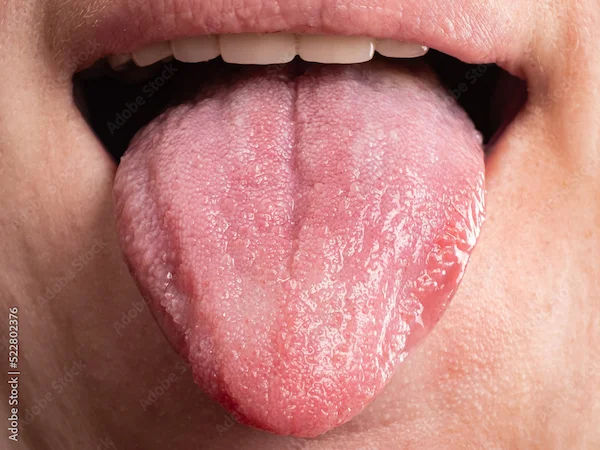




Disclaimer: Answers on Apollo 247 are not intended to replace your doctor advice. Always seek help of a professional doctor in case of an medical emergency or ailment.