



- Female
- 28 Years
- 20/02/2025
I've noticed over the last couple of days that my blood pressure has been lower than usual. My systolic pressure is hovering between 90 and 100, and the diastolic numbers are around 50 to 60. I'm a bit concerned about what's causing this drop. What might be going on and what should I do about it?

Answered by 1 Apollo Doctors

Low blood pressure, with systolic pressure between 90 to 100 mmHg and diastolic pressure between 50 to 60 mmHg, can be caused by various factors, including dehydration, certain medications, heart conditions, endocrine issues, or nutritional deficiencies. To address this, ensure you are well-hydrated and consider consuming a balanced diet with adequate salt intake. Avoid sudden changes in posture, such as quickly standing up from a seated or lying position. It's essential to consult with your healthcare provider to determine the underlying cause of your low blood pressure and receive appropriate advice or adjustments to any current medications.
Dr. Mubarak Suggests...
Consult a Cardiologist
Answered 04/07/2025
0
0

More Cardiology Health Queries
View allI've been averaging a BP of 13578, and my resting heart rate is 85. My BMI is 37, and I'm only 22. I'm currently on Eritel 40 mg. I'm really worried about how to get my blood pressure and heart rate down. Could you give me some advice?
Based on your symptoms: _Possible Causes_ 1. _Gas and bloating_: Trapped gas can cause stomach cramps and discomfort. 2. _Digestive issues_: Irritable bowel syndrome (IBS), inflammatory bowel disease (IBD), or gastroesophageal reflux disease (GERD) could be contributing factors. 3. _Food intolerance_: Lactose intolerance, gluten sensitivity, or other food intolerances might be triggering your symptoms. 4. _Stress and anxiety_: Tension can cause stomach discomfort and cramping. _Self-Care_ 1. _Stay hydrated_: Drink plenty of water to help with digestion. 2. _Avoid trigger foods_: Identify and avoid foods that might be exacerbating your symptoms. 3. _Manage stress_: Practice relaxation techniques like deep breathing, meditation, or yoga.


Answered by 1 Apollo Doctors
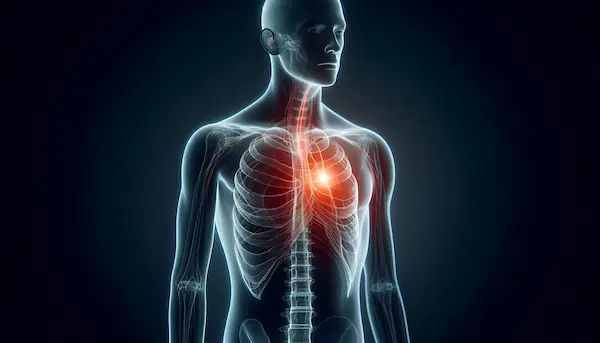
I'm really worried about my mom. She's 48 and recently started having continuous chest pain. She had a viral fever and some cough, so we initially thought it was just that, but the pain didn't go away. We went to a government hospital and the doctor there told us to do an ECG test and mentioned it was serious. But then we went to a private hospital and they said not to worry. I'm feeling confused with these mixed messages. What should I do next?
The chest pain in your mother could be due to various reasons, including cardiac issues. Since the government doctor recommended an ECG test, it is important to follow through with that recommendation to rule out any serious heart problems. If the private hospital has reassured you that there is no immediate cause for concern, it is still advisable to monitor the situation closely. In the meantime, to help alleviate the chest pain and cough, you can consider giving her a medication like **Paracetamol** for pain relief and **Cough syrup** for cough. However, it is crucial to follow the dosage instructions provided on the medication packaging or as advised by a healthcare professional. If the symptoms persist or worsen, please seek further medical advice.
Answered by 1 Apollo Doctors
I'm 22 and I've been experiencing chest pain for a few months now. My X-ray and ECG both came back normal, but the pain keeps coming and going within about 30 seconds. It switches locations, sometimes on the left side, other times on the right, and occasionally its in the upper or lower chest. I'm really worried about my heart. Could this actually be related to gas like the doctor suggested?
As you had done investigation like ecg so chest pain is not due to cardiac issue .Yes it can be because of acid reflus .Ans xray is also normal and you dont have any cough sneezing breathlessness and your age is so young so it could because of gas
Answered by 1 Apollo Doctors
Health Articles for you
View all

Disclaimer: Answers on Apollo 247 are not intended to replace your doctor advice. Always seek help of a professional doctor in case of an medical emergency or ailment.