


- male
- 50 Years
- 29/01/2025
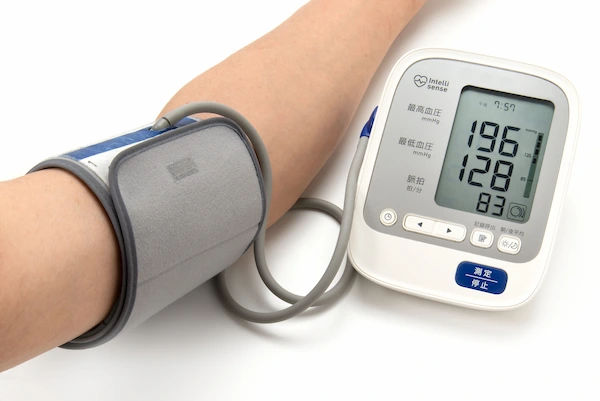
I've noticed that for the past six months, my blood pressure has been consistently around 140100. It used to be normal before that. I also make sure to do regular physical exercises. Should I be worried about this change? What could be causing it even though I'm staying active?

Answered by 1 Apollo Doctors

I recommend you start taking antihypertensive medication to help lower your blood pressure. You can try starting with a low dose of Amlodipine (brand name: Norvasc) 5mg once daily. However, it's important to consult with a healthcare professional for proper evaluation and monitoring.
Dr. Dr Khaleel Suggests...
Consult a Cardiologist
Answered 04/07/2025
0
0

More Cardiology Health Queries
View allI sometimes get this weird shock-like feeling in my throat, and it kind of feels like its coming from my heart. I've already done some heart tests like an ECG and 2D echo, and both results were normal. This sensation just hits me out of nowhere. Could you help me figure out what this might be?
This sensation you are experiencing could be due to a condition called esophageal spasms. Esophageal spasms are abnormal contractions of the muscles in the esophagus, which is the tube that carries food from the mouth to the stomach. These spasms can sometimes cause a sensation of a shock-like feeling in the throat. To help alleviate these symptoms, you can try taking a medication like Diltiazem (brand name Cardizem) under the guidance of your doctor. The usual dosage for esophageal spasms is around 30-60 mg three to four times a day. Additionally, avoiding triggers such as hot or cold foods, caffeine, and alcohol may also help reduce the frequency of these spasms. If the symptoms persist or worsen, it is important to follow up with your healthcare provider for further evaluation and management.


Answered by 1 Apollo Doctors
My friend has been experiencing this burning sensation in his chest and pain around his heart for the past few weeks, and he's also feeling really weak. We're both getting pretty worried about what's causing this and what it might mean. Any idea what could be going on or what steps we should take next?
Tab pantop 40 mg for 3days
Answered by 1 Apollo Doctors
My mom has an artery blockage of 60-70% in just one artery. The doctor mentioned using a stent. Are there other treatments for her heart besides a stent?
For a 60-70% artery blockage, the placement of a stent is a common and effective treatment option. However, depending on the specific circumstances and location of the blockage, your mother's doctor may consider other alternatives such as medication therapy or coronary artery bypass surgery. It is important to follow your doctor's recommendation for the most appropriate treatment plan.
Answered by 1 Apollo Doctors
Health Articles for you
View all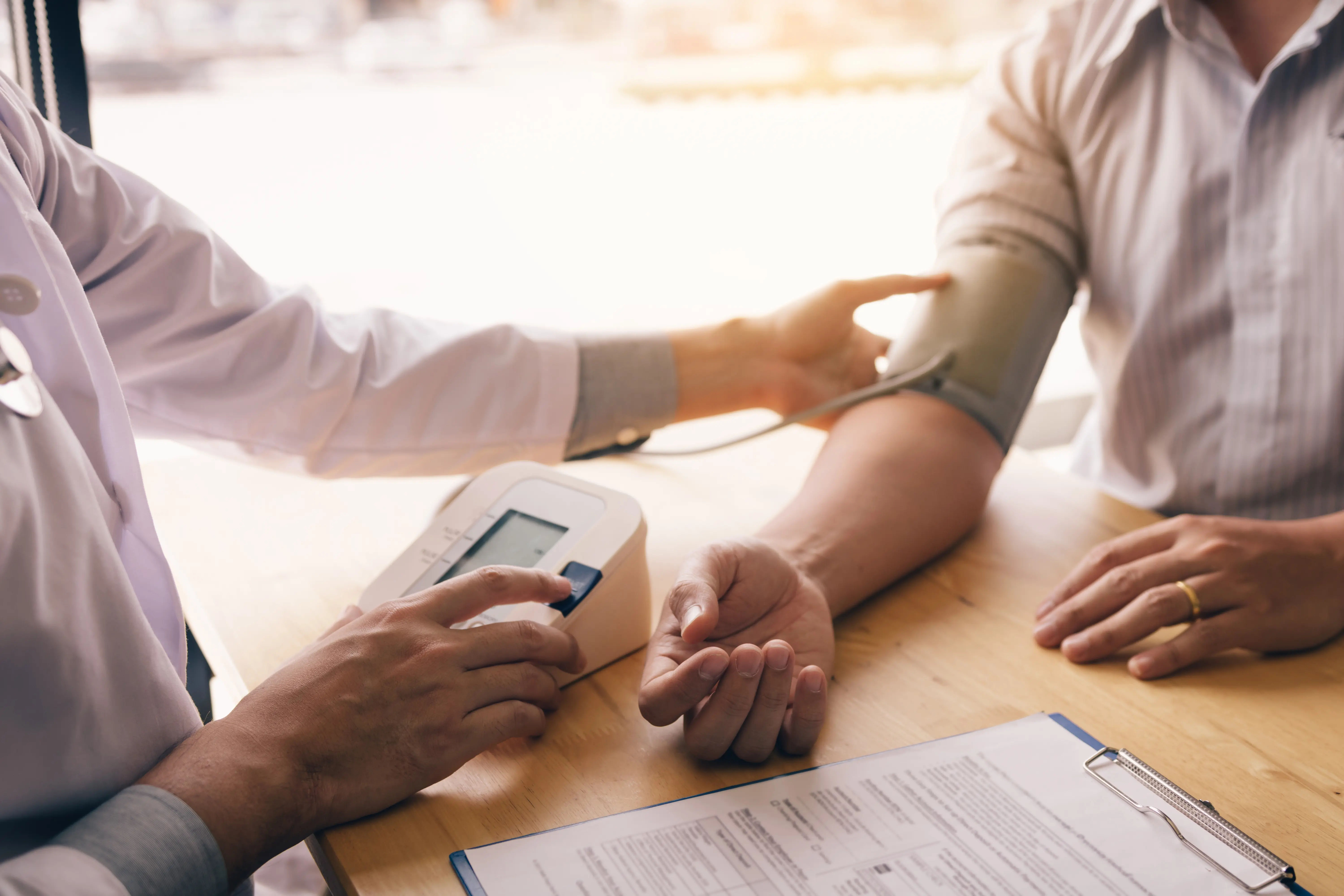

Disclaimer: Answers on Apollo 247 are not intended to replace your doctor advice. Always seek help of a professional doctor in case of an medical emergency or ailment.