


- male
- 30 Years
- 22/01/2025
I've noticed that the skin around my neck has gotten really dark, and when I saw a doctor, they mentioned it might be acanthosis nigricans. They prescribed some medication, but it didn't help much. My sugar and thyroid levels are normal, but I've put on some weight latelyI'm about 5'11" and weigh 85 kgs. Could you shed some light on why this is happening and suggest ways to improve this skin condition?

Answered by 1 Apollo Doctors

Acanthosis nigricans (AN) is a skin condition characterized by dark, velvety skin patches, typically on the neck, armpits, elbows, knees, or knuckles.
Possible Reasons:
- Insulin Resistance: Although your sugar levels are normal, insulin resistance can still contribute to AN. As you're overweight, this could be a factor.
- Hormonal Imbalance: While your thyroid levels are normal, other hormonal imbalances, such as polycystic ovary syndrome (PCOS), can contribute to AN.
- Genetics: AN can run in families, so there might be a genetic component.
- Obesity: Your weight could be contributing to the development of AN.
Getting Rid of Acanthosis Nigricans:
- Weight Loss: Losing weight, particularly around the abdominal area, can help improve insulin sensitivity and reduce AN symptoms. Aim for a healthy weight (around 70-75 kg for your height).
- Dietary Changes: Focus on whole, unprocessed foods like vegetables, fruits, whole grains, lean proteins, and healthy fats. Avoid sugary drinks and foods high in saturated fats.
- Exercise Regularly: Engage in moderate-intensity exercise, such as brisk walking, cycling, or swimming, for at least 150 minutes per week.
- Topical Treatments: Your doctor may prescribe topical creams or ointments containing ingredients like retinoids, hydroquinone, or urea to help lighten the skin.
- Medications: If your doctor suspects insulin resistance or hormonal imbalances, they may prescribe medications to address these underlying conditions.
Consult Your Doctor:
It's essential to follow up with your doctor to discuss the following:
- Medication adjustment: Your doctor may need to adjust your medication or add new ones to address the underlying causes.
- Lifestyle modifications: Your doctor can provide personalized guidance on weight loss, diet, and exercise.
- Monitoring: Regular check-ups will help your doctor monitor your progress and adjust your treatment plan as needed.
Dr. Anshul Suggests...
Consult a Dermatologist
Answered 04/07/2025
0
0

More Dermatology Health Queries
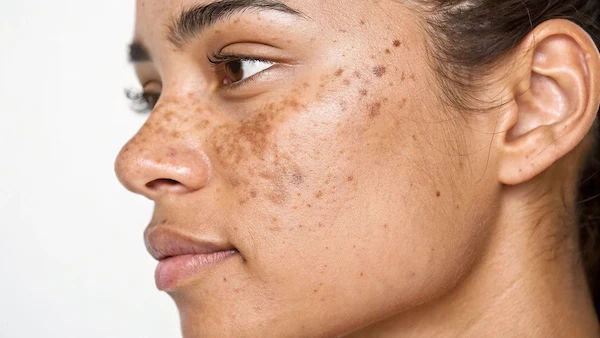
View allI've been using Dremz ultra cream for post-inflammatory pigmentation for about two weeks now. I'm wondering if it's okay to keep using it for a longer period of time, and how would I know when to stop? Also, are there any side effects if I suddenly stop using it? Could you explain all this to me in detail?
Dremz Ultra cream, containing ingredients like kojic acid, vitamin C, and niacinamide, is typically used for 2-3 months to address post-inflammatory hyperpigmentation (PIH); using it for an extended period may lead to skin irritation, dryness, or increased sensitivity; to avoid rebound hyperpigmentation, gradual tapering of the cream is recommended when stopping, such as reducing frequency or switching to a maintenance product, and side effects from sudden cessation are unlikely, but may include mild skin irritation or recurrence of PIH.


Answered by 1 Apollo Doctors
I'm really curious about the laser treatment for removing acne scars. How many sessions would I typically need for noticeable results? And what should I realistically expect in terms of guaranteed improvement? Just trying to get a clear picture before diving into it.
Yes it works and might take minimum 3 sessions to see change and total number of sittings depends on how deep your scars are
Answered by 1 Apollo Doctors
I've noticed that some parts of my head grow hair really slowly while other areas seem fine. It's a bit strange because the hair seems to be growing at different rates, and Ive experienced a lot of hair fall over the past year. I'm also seeing less hair at the front. Could you tell me what might be causing this and what I could do about it?
That could be Androgenic Alopecia,visit Dermatologist for evaluation and appropriate management
Answered by 1 Apollo Doctors
Health Articles for you
View all

Disclaimer: Answers on Apollo 247 are not intended to replace your doctor advice. Always seek help of a professional doctor in case of an medical emergency or ailment.