


- Male
- 7 Years
- 22/01/2025
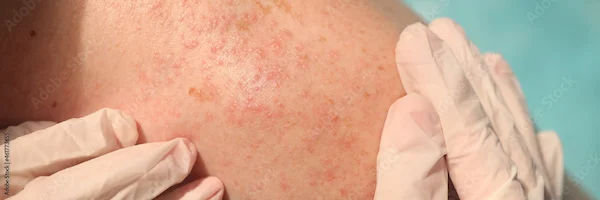
I've noticed some white spots on my skin this winter and I'm a bit concerned. What could be causing these spots? And is there anything I could use or do to treat this condition?

Answered by 1 Apollo Doctors

.you are suffering from allergic dermatitis causing white spot... Medicine available for good control... Treatment depends on the severity consult dermatologist
Dr. Dhankecha Suggests...
Consult a Dermatologist
Answered 04/07/2025
0
0

More Dermatology Health Queries
View allI'm really wondering how I can trust that these Refollium capsules are actually safe for my health. And, can you genuinely guarantee that they will help my hair regrow within 30 days after starting to use them?
Refollium capsule contains biotin, folic acid, and other vitamins that are beneficial for hair health. However, it is important to note that individual results may vary and it may not guarantee hair regrowth within 30 days. If you are considering trying Refollium capsule, the recommended dosage is 1 capsule daily with a glass of water. It is also important to maintain a healthy diet and lifestyle for overall hair health.


Answered by 1 Apollo Doctors
I've noticed a really small area on the skin of my penis that's incredibly itchy, and I'm worried it might be scabies. It's driving me crazy, and I'm not sure what to do about it. Could you help me figure out what this is and what steps I should take next?
Scabies can occur on various parts of the body, but it typically affects areas with folds or creases in the skin. Here are some common locations where scabies often occur: Common Locations 1. Finger webs: The areas between the fingers are a common site for scabies. 2. Wrist and forearm: The wrist and forearm areas are often affected. 3. Elbow and armpit: The elbow and armpit areas can also be affected. 4. Waist and groin: The waist and groin areas are common sites for scabies. 5. Buttocks and thighs: The buttocks and thighs can also be affected. 6. Feet and ankles: In severe cases, scabies can spread to the feet and ankles. 7. Genital area: Scabies can also occur in the genital area, including the penis, scrotum, and vulva. 8. Nipples and areola: In some cases, scabies can affect the nipples and areola.
Answered by 1 Apollo Doctors
I'm 20 and having a hard time with beard and mustache growth. I started seeing some hair on my chin about four years ago, but it never spread out over my whole face. It's been frustrating not seeing much progress since then. Could you suggest some treatments or medicines that might help with full beard growth?
refer to dermatologist
Answered by 1 Apollo Doctors
Health Articles for you
View all


Disclaimer: Answers on Apollo 247 are not intended to replace your doctor advice. Always seek help of a professional doctor in case of an medical emergency or ailment.