- female
- 40 Years
- 20/02/2025
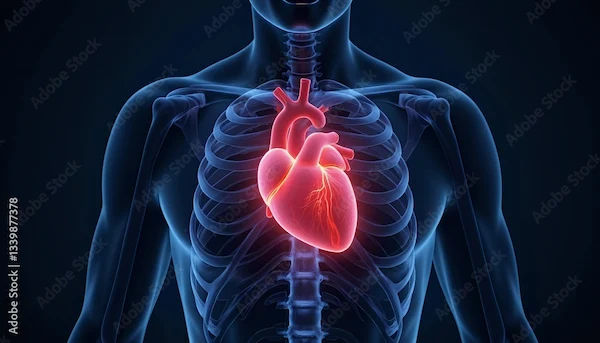
I've noticed that sometimes my heartbeat suddenly speeds up while I'm sleeping, but it goes back to normal after a few minutes. Should I be concerned about this?
Answered by 1 Apollo Doctors
This sudden increase in heart rate during sleep could be due to a condition called paroxysmal supraventricular tachycardia (PSVT). To help manage this, you can take a beta-blocker medication such as Metoprolol. The usual dosage for Metoprolol in this case is 25-100mg per day, as prescribed by a doctor. It helps to regulate the heart rate and prevent episodes of rapid heartbeat. However, it is important to consult with a healthcare professional for proper evaluation and management.
Dr. Anshul Suggests...
Consult a Cardiologist
Answered 25/07/2025
0
0

More Cardiology Health Queries
View allMy mom had an angioplasty about 36 hours ago with two stents placed because her artery was fully blocked. Now she's in the ICU and her heart rate is pretty high, like around 152 bpm, and it's averaging about 125 bpm. Plus, she's had low blood pressure a few times. Is this something we should be worried about? Could these be signs of any complications? Would really appreciate your advice.
The low blood pressure could be a result of reduced heart function or other factors. To address the high heart rate, a beta-blocker medication like Metoprolol can be prescribed to help lower the heart rate. It is important to consult a cardiologist to assess her cardiac function in detail.
Answered by 1 Apollo Doctors
I've been experiencing a sharp pain on the left side of my chest for a few seconds when I'm exercising, like jumping or running. It's been happening since last week. I've had an ECG, 2D echo, and TMT done last month and everything came back normal. I also get gas pain in my chest. But this pain specifically seems to come in the morning while I'm working out. Should I be worried that this is something serious?
Based on your description, it is possible that the chest pain you are experiencing during exercise could be due to musculoskeletal causes or related to gas pain. Since your ECG, 2D echo, and TMT tests were normal, it is less likely to be related to your heart. To help alleviate the gas pain, you can try over-the-counter antacids like **Tums** (dosage: as directed on the package) to relieve gas and bloating. Additionally, for musculoskeletal chest pain, you can try taking **Ibuprofen** (dosage: 400mg-800mg every 6 hours as needed) for pain relief. However, if the chest pain persists or worsens, it is advisable to consult with your healthcare provider for further evaluation and management.
Answered by 1 Apollo Doctors
I'm really worried after my mom's health check-up today. Her blood pressure was really hightwice it was 18090 and the third time was 17090. We're going to get the full health report by Wednesday, but I'm anxious. Do you think she might need to start taking medicine right away?
The symptoms you're experiencing, such as lightheadedness, spinning sensation, and vomiting, could be related to various factors. Considering your recent changes in diet and daily workouts, here are a few potential causes: *Potential Causes* 1. *Low Blood Sugar*: With your new diet, you might be experiencing hypoglycemia (low blood sugar), leading to lightheadedness and dizziness. 2. *Dehydration*: Insufficient fluid intake, especially during workouts, can cause dehydration, resulting in dizziness and lightheadedness. 3. *Electrolyte Imbalance*: Your new diet might be lacking essential electrolytes like sodium, potassium, or magnesium, which can disrupt your body's balance and cause dizziness. 4. *Inner Ear Issues*: The spinning sensation could be related to inner ear problems, such as benign paroxysmal positional vertigo (BPPV). *Recommendations* 1. *Consult a Doctor*: Schedule an appointment with your primary care physician to rule out any underlying medical conditions. 2. *Monitor Blood Sugar*: If you're experiencing low blood sugar, consider monitoring your blood sugar levels and adjusting your diet accordingly. 3. *Stay Hydrated*: Drink plenty of water throughout the day, especially during and after workouts. 4. *Balance Your Diet*: Ensure you're getting essential electrolytes and nutrients through your diet or consider supplements after consulting your doctor. 5. *Rest and Recovery*: Allow your body time to recover between workouts, and prioritize getting enough sleep.
Answered by 1 Apollo Doctors
Disclaimer: Answers on Apollo 247 are not intended to replace your doctor advice. Always seek help of a professional doctor in case of an medical emergency or ailment.