


- Male
- 41 Years
- 29/01/2025
My aunt recently had a TMT test which came back positive, so she had a CAG done afterward. The doctor said everything looked normal, with no artery blockages, but she was still given medicine for heart attack prevention and blood circulation. Does this mean there's possibly another issue going on? I'm really concerned and don't quite understand why she'd need these medications if there's no blockage. Could it be related to something else?

Answered by 1 Apollo Doctors

It is possible that your aunt's symptoms could be related to other cardiovascular issues such as coronary artery disease or heart failure. However, without more information about her specific symptoms and medical history, it is difficult to provide a definitive answer. The medications prescribed for heart attacks and blood circulation issues are typically aimed at preventing future cardiovascular events and improving overall heart health. It is important for your aunt to continue taking the prescribed medications as directed by her doctor to reduce the risk of any potential complications.
Dr. Mubarak Suggests...
Consult a Cardiologist
Answered 04/07/2025
0
0

More Cardiology Health Queries
View allI've been experiencing heart palpitations with a rate of 130bpm for the past 4 months, and I also have chest pain. I'm only 17 years old. Can you help me figure out what's going on? I saw a physician, but I'm still not feeling better. What's the issue?
heart palpitations (130bpm) and chest pain for 4 months, it's essential to take your symptoms seriously and seek specialized medical attention. Although you've consulted a physician, consider seeking a second opinion from a cardiologist.


Answered by 1 Apollo Doctors
I'm a 28-year-old guy and I've been smoking weed daily since I was nine. I don't drink at all, and I consider myself to be quite fit. But for the last 34 days, I've noticed the left side of my chest is a bit swollen and sore, although it's not painful to touch. Should I be worried about this? Could it be something serious?
It's concerning that you are experiencing swelling and soreness in the left side of your chest. This could be due to various reasons, including inflammation, muscle strain, or even a potential underlying health issue. However, given your history of smoking weed since a young age, it's important to consider the impact of smoking on your respiratory and cardiovascular health. I recommend that you stop smoking immediately and seek medical attention for a proper evaluation. In the meantime, you can take over-the-counter anti-inflammatory medication like ibuprofen (e.g., Advil) to help with the pain and swelling. However, it's crucial to consult with a healthcare professional for a thorough assessment and appropriate treatment.
Answered by 1 Apollo Doctors
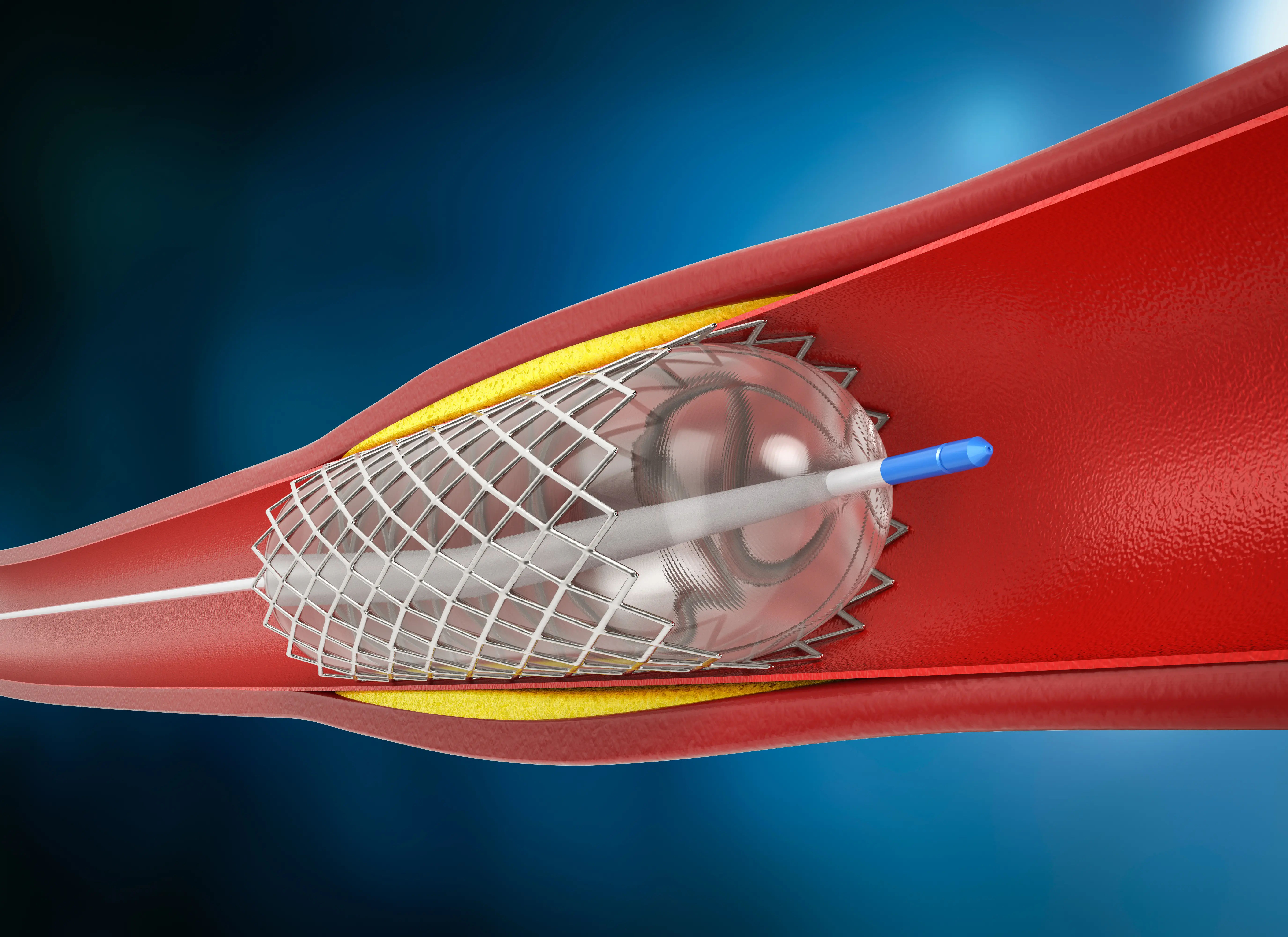
I'm almost three weeks post-angioplasty, and I'm wondering about drinking water. Is it okay to drink a lot, or are there any limits or precautions I should be aware of? Please let me know.
Visit your Physician for appropriate management
Answered by 1 Apollo Doctors
Health Articles for you
View all
Disclaimer: Answers on Apollo 247 are not intended to replace your doctor advice. Always seek help of a professional doctor in case of an medical emergency or ailment.