


- male
- 40 Years
- 14/08/2025
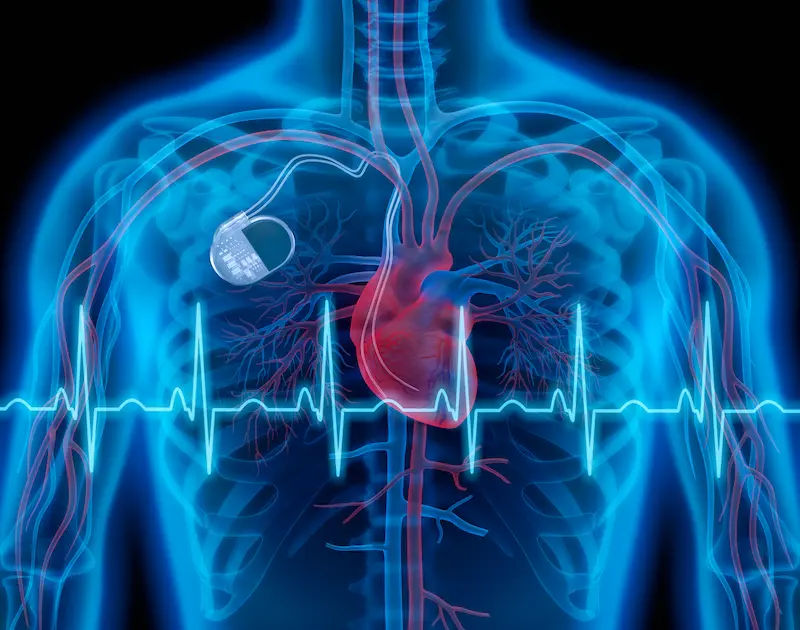
My brother had a pacemaker put in five years ago at Narayana Hrudayalaya. Can he get married and have a normal sex life without it affecting his health? Just want to make sure it's safe for him.

Answered by 1 Apollo Doctors

YES ITS SAFE
Dr. Dhankecha Suggests...
Consult a Cardiologist
Answered 14/08/2025
0
0

More Cardiology Health Queries
View allI'm really worried about my incomplete RBBB turning into a complete RBBB in the future. Are there treatments like an angiogram or angioplasty that can help prevent this from happening? Is there any way to make my RBBB go back to normal, like it was before, so there's no block at all?
Its reversible,visit Cardiologist for appropriate management and have a regular follow up


Answered by 1 Apollo Doctors
I've been having palpitations for a year, so I went for a full body check, and they told me I have mitral valve prolapse which was supposedly causing the palpitations. I was advised to do cardio exercises, and I've been good with that. Recently though, the palpitations have become worse, especially when I lie flat, and it's been keeping me up at night. I'm also feeling anxious at bedtime, but I'm fine otherwise. It's really affecting my sleep and overall quality of life. Do you think I should see a doctor about this?
Yes, it is important to seek medical attention for your worsening symptoms. In your case, since you have a history of mitral valve prolapse and severe palpitations affecting your quality of life, it is recommended to consult a cardiologist for further evaluation and management. The doctor may prescribe medications such as Metoprolol (25-50mg) to help control your palpitations and anxiety symptoms. Additionally, they may suggest lifestyle modifications and relaxation techniques to help improve your sleep quality and overall well-being.
Answered by 1 Apollo Doctors
I've been experiencing this ongoing chest pain in the middle area whenever I take a deep breath, and it's been going on for about 2.5 years now. Initially, the doctor mentioned it was anxiety-related, but the pain hasn't gone away and I haven't seen a doctor for the last year because of the whole COVID situation. I'm wondering if this could really just be anxiety or if there's a chance it might be something else, like an esophagus issue. I mean, the pain gets worse with a deep breath, but I don't have trouble breathing otherwise. I did an ECG and a high troponin test about 12 days ago, and both were normal. I've also got acidity issues. What should I do next?
continue pantop 40mg Sos
Answered by 1 Apollo Doctors
Health Articles for you
View all.webp)


Disclaimer: Answers on Apollo 247 are not intended to replace your doctor advice. Always seek help of a professional doctor in case of an medical emergency or ailment.