


- Male
- 64 Years
- 07/02/2025
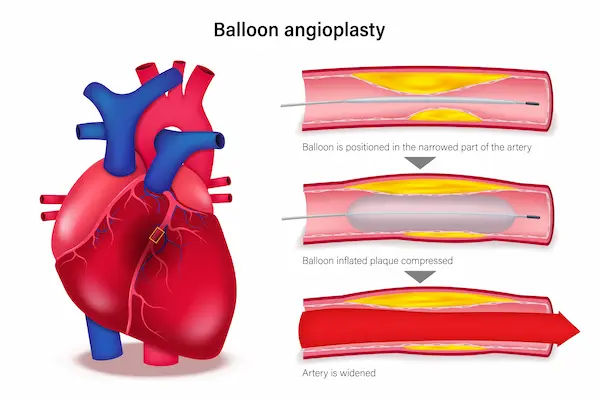
My dad had a heart attack on July 28th, and they found two blockages. The doctor put in one stent, but there's still another blockage left. Should we be worried about the untreated blockage, and what's usually the next step? What should we watch out for?

Answered by 1 Apollo Doctors

The other might be minimal for which conservative management would work take adequate rest and follow your doctors advice
Dr. Kareemulla Suggests...
Consult a Cardiologist
Answered 04/07/2025
0
0

More Cardiology Health Queries
View allI'm experiencing some heaviness in my chest area and I'm having trouble breathing. I've got a headache, my heartbeat feels faster than usual, and I just can't seem to catch my breath properly. I'm really worried about what's going on. Can you help figure out what this could be?
You may be experiencing symptoms of a heart condition or respiratory issue. It is important to seek medical attention immediately. In the meantime, you can take Aspirin 325mg for possible heart-related symptoms and use an inhaler like Ventolin (albuterol) for breathing difficulties. Remember to take deep breaths and try to stay calm while waiting for medical help.


Answered by 1 Apollo Doctors
I've had a chest X-ray done and they tested the size of my heart wall. They said everything's okay with my heart, but I'm still wondering, is it normal to have the same weight of 65 kg for the past 2 years? Should I be concerned about anything despite the tests being clear?
donot worry if you have symptoms do 2D echo
Answered by 1 Apollo Doctors
I'm a bit concerned about my recent echo report. It shows that I have mild tricuspid regurgitation. The doctor mentioned it can't be reversed, but is there any way to keep it from getting worse? I really want to make sure it stays stable and doesn't progress. Any advice would be appreciated.
Tricuspid regurgitation is a condition where the tricuspid valve in the heart does not close properly, causing blood to leak backwards. While it may not be possible to reverse tricuspid regurgitation completely, there are ways to manage and prevent its progression. One common approach is to manage the underlying cause, such as heart failure or pulmonary hypertension, which can help reduce the severity of the regurgitation. In terms of medication, your doctor may prescribe ACE inhibitors, diuretics, or beta-blockers to help manage symptoms and prevent further damage to the heart. It is important to follow your doctor's recommendations and attend regular follow-up appointments to monitor the condition. Additionally, lifestyle changes such as maintaining a healthy weight, exercising regularly, and avoiding smoking can also help prevent the progression of tricuspid regurgitation.
Answered by 1 Apollo Doctors
Health Articles for you
View all


.webp)
Disclaimer: Answers on Apollo 247 are not intended to replace your doctor advice. Always seek help of a professional doctor in case of an medical emergency or ailment.