


- Male
- 68 Years
- 22/01/2025
My dad just went through angioplasty a couple of weeks ago and now that he's out of the hospital, I'm really concerned about what kind of diet he should be following. I'm looking for guidance on the best foods he should eat to help with his recovery. Any advice would be really appreciated.

Answered by 1 Apollo Doctors

After angioplasty, it is important for your father to follow a heart-healthy diet to promote recovery and reduce the risk of further heart issues. He should focus on consuming a diet rich in fruits, vegetables, whole grains, lean proteins, and healthy fats. Some specific foods to include in his diet are: - Oats: High in soluble fiber which can help lower cholesterol levels - Fatty fish like salmon or mackerel: Rich in omega-3 fatty acids which are good for heart health - Nuts and seeds: Almonds, walnuts, chia seeds, flaxseeds are good sources of healthy fats - Berries: Blueberries, strawberries, raspberries are rich in antioxidants - Leafy greens: Spinach, kale, collard greens are packed with vitamins and minerals It is also important for him to limit his intake of saturated fats, trans fats, cholesterol, and sodium. Encourage him to drink plenty of water and avoid sugary beverages. Regular physical activity and stress management are also important components of a heart-healthy lifestyle.
Dr. Dr Khaleel Suggests...
Consult a Cardiologist
Answered 04/07/2025
0
0

More Cardiology Health Queries
View allMy mom's blood pressure was 130200 even though she's been taking her Zilarata medication. One doctor gave her half a medication, and then she relaxed, and her BP went down to 100145. But now it's at 120180. Do you think it's okay if I give her a BP win tablet?
take medicine


Answered by 1 Apollo Doctors
I'm pretty worried right now because my heart rate is 92102 per minute while I'm just laying down. It's making me feel really nervous and even more sick. Plus, my left hand and the left side of my back (not right in the middle) are aching. Could this be some kind of warning sign?
Your symptoms of increased heart rate, nervousness, left hand ache, and left side back pain could be due to anxiety or stress. However, it is important to rule out any underlying heart condition. I recommend you take a tablet of propranolol 10mg to help lower your heart rate and reduce anxiety. You can take it up to three times a day as needed. Additionally, you can take acetaminophen 500mg for the left hand and back pain. Make sure to rest and try some relaxation techniques to help alleviate your symptoms.
Answered by 1 Apollo Doctors
What happens right before a heart attack?
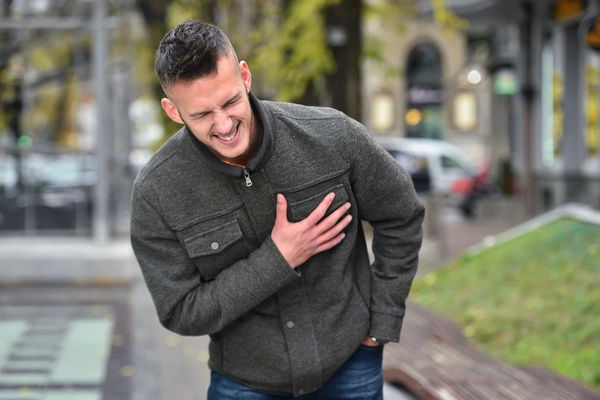
Common heart attack signs and symptoms include: Pressure, tightness, pain, or a squeezing or aching sensation in your chest or arms that may spread to your neck, jaw or back. Nausea, indigestion, heartburn or abdominal pain. Shortness of breath.
Answered by 1 Apollo Doctors
Health Articles for you
View all
 Purpose, Procedure, and Results.webp)

Disclaimer: Answers on Apollo 247 are not intended to replace your doctor advice. Always seek help of a professional doctor in case of an medical emergency or ailment.