


- Female
- 51 Years
- 22/01/2025
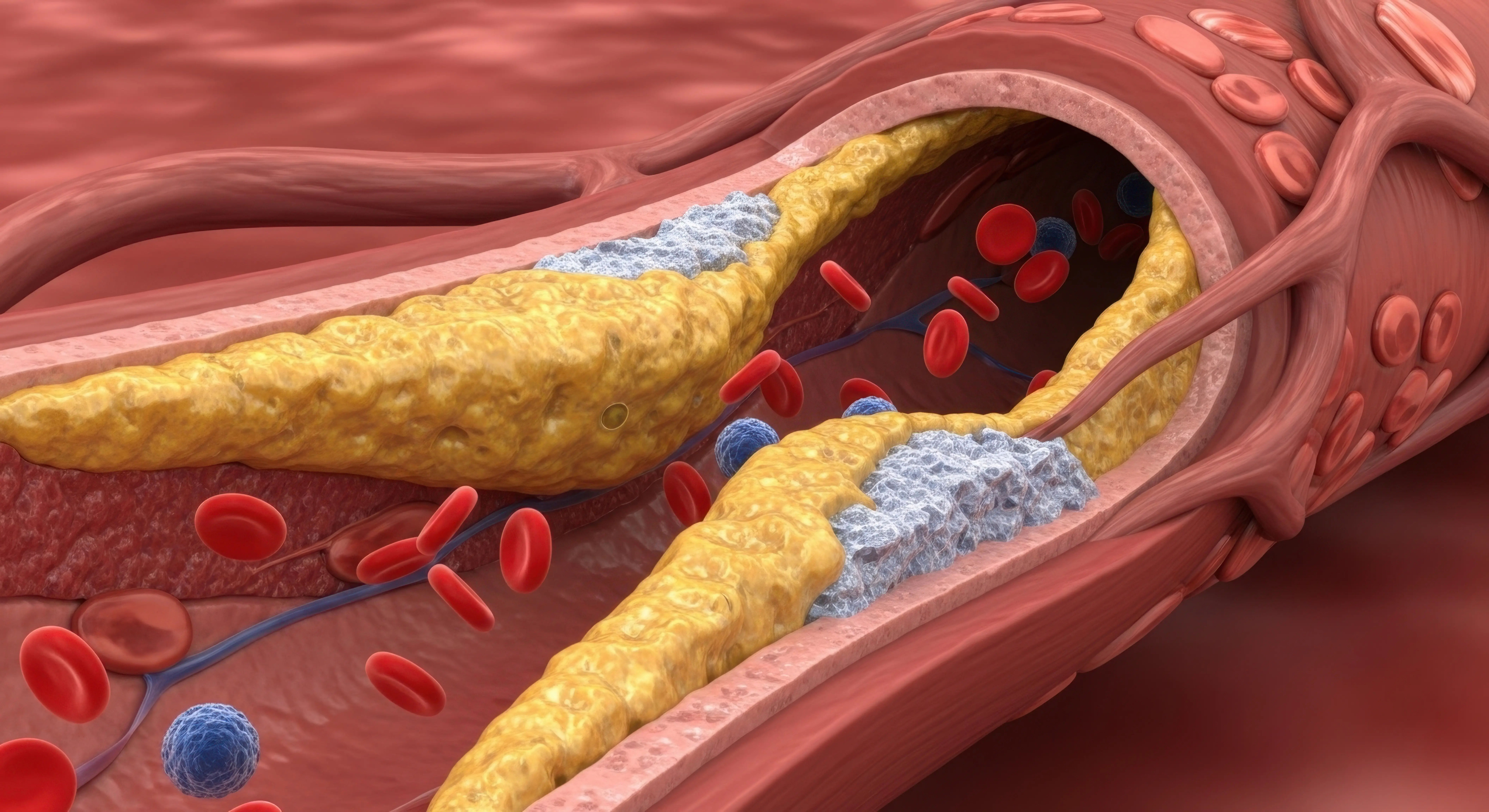
My dad's treadmill test results came back with a positive result, and the doctor mentioned he might need an angiography. The TMT report shows an ST depression of 1.5 to 2 mm. I'm really concerned about what this all means. Is this depression considered mild, or does it indicate a high possibility of blockage?

Answered by 1 Apollo Doctors

The ST depression of 1.5 to 2 mm on the TMT report indicates a moderate level of ischemia, suggesting a significant possibility of blockage in the coronary arteries. It is important to follow up with the angiography as recommended by the doctor to further evaluate the extent of blockage and determine the appropriate treatment. In the meantime, medications like Aspirin 75mg and Clopidogrel 75mg can be prescribed to reduce the risk of clot formation.
Dr. Shubham Suggests...
Consult a Cardiologist
Answered 04/07/2025
0
0

More Cardiology Health Queries
View allEvery time I get an ECG, it shows sinus tachycardia. I dont have any known heart issues, but my heart always beats faster than normal. Should I be worried about this?
Sinus tachycardia is a condition where your heart beats faster than normal due to various reasons such as stress, anxiety, caffeine intake, or physical activity. In most cases, it is not a cause for concern. However, if you are experiencing persistent symptoms or have underlying heart conditions, it is important to consult a healthcare professional for further evaluation. In the meantime, you can try to manage your symptoms by reducing stress, avoiding stimulants like caffeine, and practicing relaxation techniques.


Answered by 1 Apollo Doctors
I've been having chest pains and I got a CT angio which showed myocardial bridging of my proximal LAD at 1.8 cm. My cardiologist said everythings fine and not to worry, but I still get regular chest pains, especially when walking or climbing stairs. What do you think I should do about this?
Based on your symptoms and the presence of myocardial bridging in your proximal LAD, it is important to address the ongoing chest pain you are experiencing. Since your cardiologist has already reviewed your case and deemed it not concerning, you may benefit from medication to help alleviate your symptoms. I recommend starting a calcium channel blocker such as Diltiazem (Cardizem) at a low dose initially, and gradually increasing as needed under the guidance of your doctor. Additionally, you can also consider taking a nitrate medication like Isosorbide Mononitrate (Imdur) to help with chest pain relief during physical activity. It is important to follow up with your cardiologist for further evaluation and management.
Answered by 1 Apollo Doctors
What vegetables are good for lowering blood pressure?
Green leafy vegetables
Answered by 1 Apollo Doctors
Health Articles for you
View all



Disclaimer: Answers on Apollo 247 are not intended to replace your doctor advice. Always seek help of a professional doctor in case of an medical emergency or ailment.