


- male
- 30 Years
- 14/08/2025
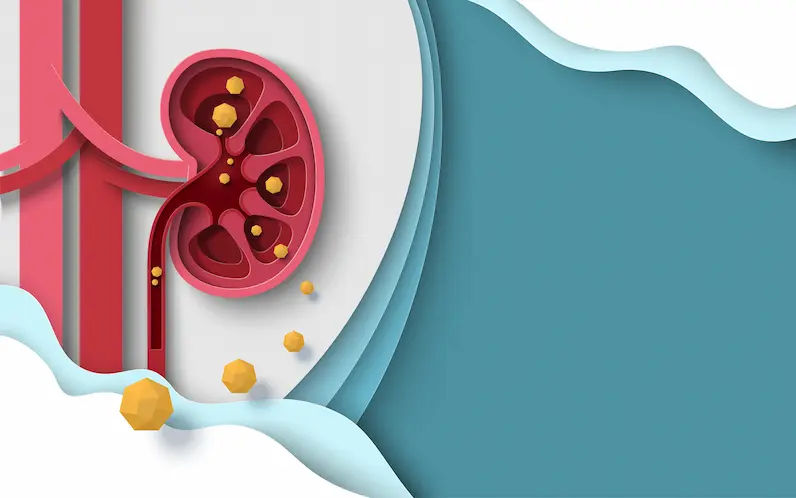
my son has kidney stones around 9.4 cm and we can't get surgery right now due to the lockdown is there any medicine that can help dissolve the stones also what foods should he avoid to prevent making it worse

More Urology Health Queries
View allI'm really having some trouble during intercourse. When I do oral sex, my erection is strong, but when it comes to penetration, I just can't seem to find the right spot, and I start to lose my erection. I've only been married for two weeks, so this is all new to me. Could you please guide me on what I might be doing wrong or how I can keep my erection?
Its not uncommon for men to experience difficulty maintaining an erection during vaginal intercourse, especially in the early stages of marriage. This can be due to anxiety, stress, or the pressure to perform. It may help to focus on relaxation, communicate openly with your partner, and consider consulting a healthcare provider if the issue persists.


Answered by 1 Apollo Doctors
I'm a bit worried because the foreskin of my penis used to be attached to the tip, but now it's come down and the head is exposed. It's super sensitive to touch, and I'd really appreciate some advice on how to make it less sensitive. Also, the foreskin isn't going back to the tip. I'm not sure why this is happening, and any help on both these issues would be great.
Consult a urologist for personalized advice
Answered by 1 Apollo Doctors
I've been wondering about the effects of daily masturbation over many years. I'm 28 now, could this habit be lowering my testosterone levels? Also, are there other factors or things I should be aware of that might be causing low testosterone?
Daily masturbation does not significantly impact testosterone levels in a healthy 28-year-old. However, chronic stress, poor diet, lack of sleep, obesity, and certain medical conditions (e.g., hypogonadism) can contribute to low testosterone levels. It's important to maintain a healthy lifestyle for optimal hormone balance.
Answered by 1 Apollo Doctors
Health Articles for you
View all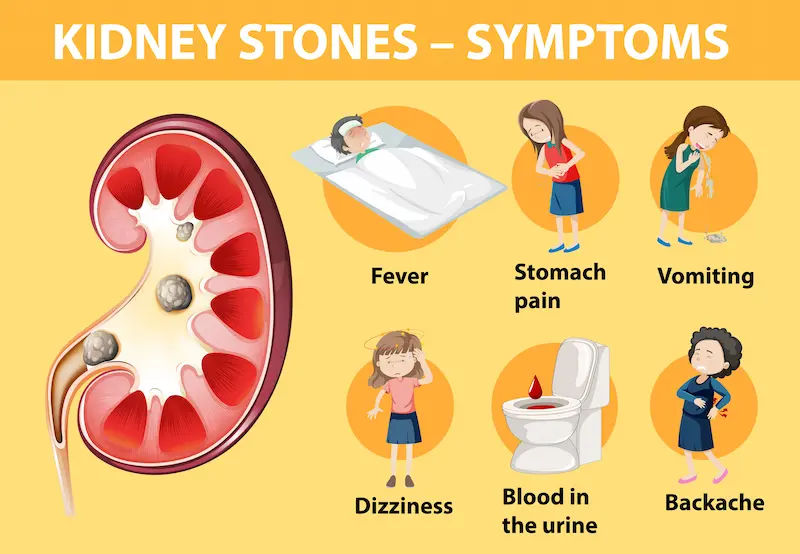

Disclaimer: Answers on Apollo 247 are not intended to replace your doctor advice. Always seek help of a professional doctor in case of an medical emergency or ailment.