apollo
  • female
  • 15 Years
  • 29/04/2022

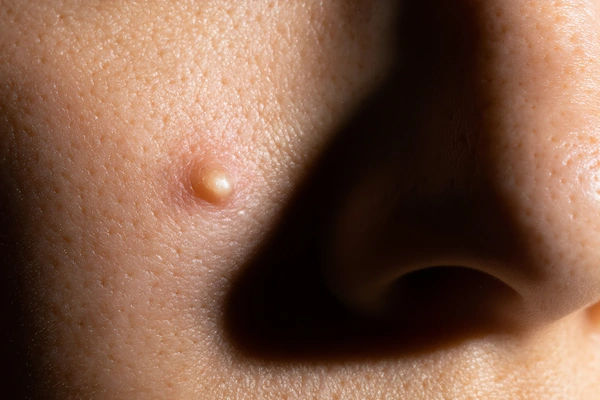
what is acne prone skin

Doctor 1

Answered by 1 Apollo Doctors

Oily skin

Dr. Dhankecha Suggests...

Consult a Dermatologist

Answered 04/07/2025

0

0

Sick? Talk to a doctor now

More Dermatology Health Queries

View all

I've been dealing with acne for the past four years and a doctor mentioned trying a Glycolic Acid Peel. I'm really curious if there are any side effects and if it's safe to use. What should I expect from the treatment?

Glycolic Acid Peel is a popular chemical peel treatment for acne, fine lines, and skin texture improvement. Safety and Efficacy: Glycolic Acid Peel is generally considered safe when performed by a qualified dermatologist or esthetician. The treatment can be effective in: 1. Reducing acne and preventing future breakouts 2. Improving skin texture and tone 3. Fading fine lines and wrinkles 4. Enhancing skin brightness and radiance Possible Side Effects: While rare, possible side effects of Glycolic Acid Peel include: 1. Redness and irritation 2. Itching or stinging sensation 3. Dryness or flakiness 4. Increased sensitivity to the sun 5. Post-inflammatory hyperpigmentation (PIH) in rare cases Precautions and Contraindications: 1. Sensitive skin: If you have sensitive skin, your dermatologist may recommend a lower concentration of glycolic acid or a patch test before the treatment. 2. Pregnancy and breastfeeding: Glycolic Acid Peel is not recommended during pregnancy or breastfeeding due to the lack of research on its safety during these periods. 3. Active skin infections: If you have an active skin infection, such as herpes simplex, your dermatologist may postpone the treatment until the infection clears up. Before and After the Treatment: 1. Pre-treatment preparation: Avoid using exfoliating products, waxing, or getting a tattoo at least 1-2 weeks before the treatment. 2. Post-treatment care: Follow your dermatologist's instructions for post-treatment care, which may include using gentle skincare products, avoiding direct sun exposure, and applying sunscreen with at least SPF 30. To minimize potential side effects and ensure the best results, consult with a qualified dermatologist or esthetician who can: 1. Assess your skin type and concerns 2. Determine the optimal concentration of glycolic acid for your skin 3. Provide personalized pre- and post-treatment instructions

read more
Doctor 1Doctor 2

Answered by 1 Apollo Doctors

My girlfriend just started getting these weird red streaky rashes on her hands, legs, and back out of nowhere this afternoon. At first, it kinda looked like shed been scratched by a cat or something, but thats definitely not it. Should we be worried and see a doctor ASAP?

Thats unusual,visit General Physician for appropriate approach.and maintain balanced diet and healthy lifestyle

read more
Doctor 1Doctor 2

Answered by 1 Apollo Doctors

I'm really looking to improve my skin's brightness and have a more radiant glow. Could you recommend any tablets or creams that could help me achieve a pure skin tone? I'm feeling a bit concerned and would love some advice on this.

I recommend using a combination of topical creams and oral tablets. You can start by using a skin brightening cream containing hydroquinone, kojic acid, and glycolic acid. Apply this cream once daily in the evening after cleansing your face. In addition, taking Vitamin C tablets can help improve skin brightness and promote a healthy glow. I recommend taking 500mg of Vitamin C daily. Remember to use a broad-spectrum sunscreen during the day to protect your skin from further darkening. Consistency is key, so be patient and give these treatments time to show results.

read more
Doctor 1Doctor 2

Answered by 1 Apollo Doctors

Disclaimer: Answers on Apollo 247 are not intended to replace your doctor advice. Always seek help of a professional doctor in case of an medical emergency or ailment.