


- male
- 50 Years
- 31/03/2021
What is the best test to check for heart problems?

Answered by 1 Apollo Doctors

Heart problems are of different types affecting different parts such as blood vessels, valves, musculature and functional activity. Tests are done according to the cause & type of heart problem and few of them are ECG, 2DECHO, TMT, CT coronary angiogram.
Dr. Ibrahim Suggests...
Consult a Cardiologist
Answered 04/07/2025
0
0

More Cardiology Health Queries
View allWhat does it mean when my TMT report says no significant STT changes were noted? Is this something I should be worried about? Ive attached the report for reference.
In your TMT report, the mention of "No significant ST-T changes noted" means that there were no abnormal changes observed in the ST segment or T wave of your electrocardiogram during the test. This is a good sign as it indicates that there are no signs of ischemia or heart muscle damage during physical activity. There is no need to worry about this finding.


Answered by 1 Apollo Doctors
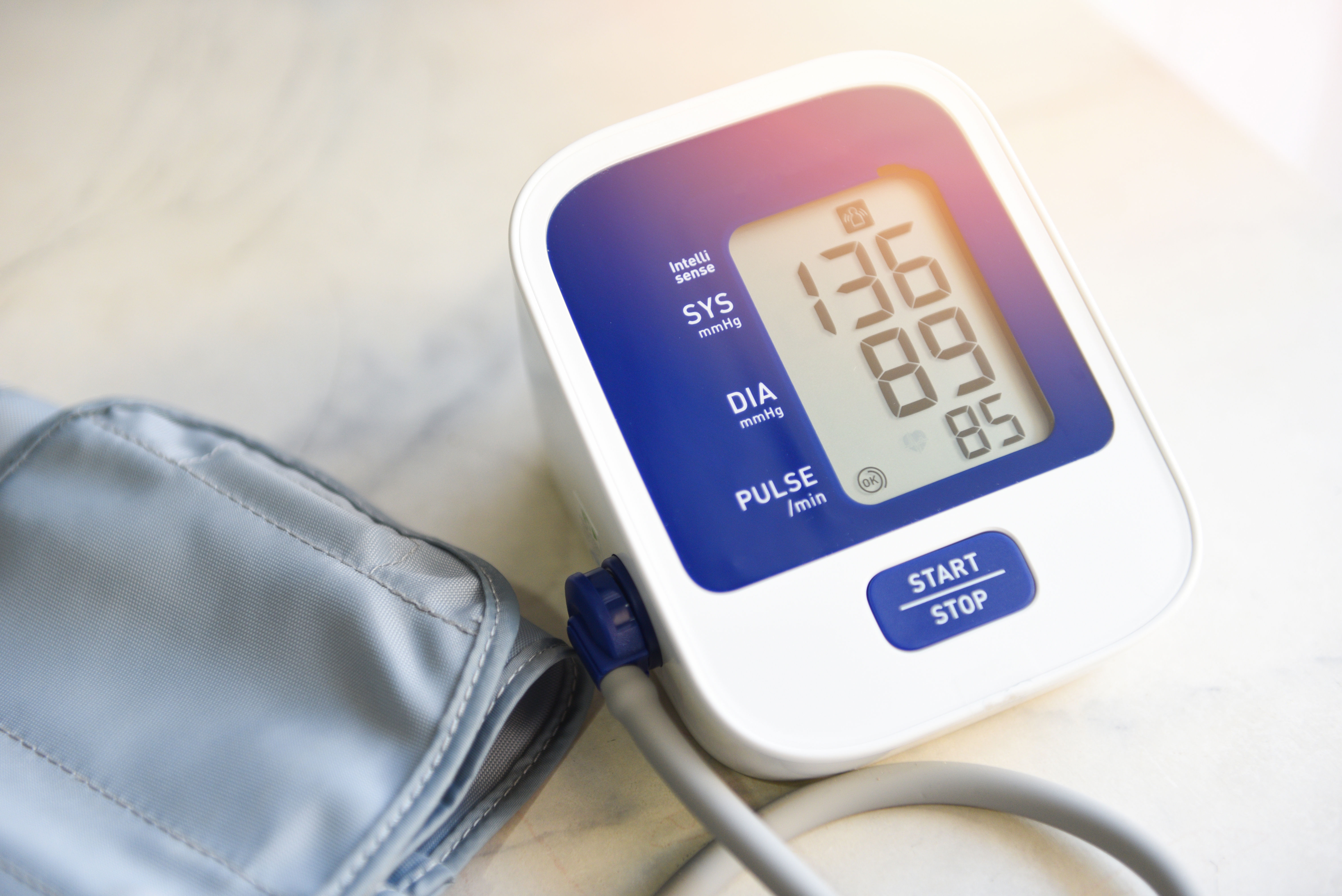
I've been taking Olmetrack 40 mg for my blood pressure over the past year, but for the last month, it's been staying around 13590. Is this something I should be worried about? Is there a chance my medication needs to be adjusted?
continue the treatment if your bp falls in normsl range
Answered by 1 Apollo Doctors
I'm having these ongoing pressure-like pains in my chest, neck, and shoulder. It's really making me anxious, even though I had an echo and TMT just two months ago, and they were normal. My cardiologist said its not my heart, but I cant shake off the fear of possibly having a heart attack. What might be causing this pain, and how can I deal with this anxiety?
Since your cardiologist has already ruled out any heart-related issues with a normal echo and TMT two months ago, the pain may be due to musculoskeletal issues or other non-cardiac causes. To help alleviate your symptoms, you can try taking over-the-counter pain relievers like acetaminophen or ibuprofen for pain relief. Additionally, you can use muscle relaxants like Flexeril (cyclobenzaprine) to help with any muscle tension contributing to your discomfort. It's important to follow the recommended dosage instructions on the medication packaging. If the pain persists or worsens, consider consulting with a physician for further evaluation and management.
Answered by 1 Apollo Doctors
Health Articles for you
View all


Disclaimer: Answers on Apollo 247 are not intended to replace your doctor advice. Always seek help of a professional doctor in case of an medical emergency or ailment.