


- female
- 50 Years
- 31/03/2021
What foods can lower blood pressure immediately?

Answered by 1 Apollo Doctors

Foods don't lower blood pressure immediately. Consuming Citrus fruits, low fat diary, skinless poultry , whole grains helps in controlling the blood pressure
Dr. Dr Khaleel Suggests...
Consult a Cardiologist
Answered 04/07/2025
0
0

More Cardiology Health Queries
View allI've been keeping an eye on my blood pressure, and I recently got a reading of 121 over 68. I know that typically the lower number should be around 80, so I'm a little concerned. I'm a 23-year-old guy, and I'm wondering if I should be worried about that lower number being 68. Could you give me some insight into whether this is normal or if I should be doing something about it?
A diastolic blood pressure (DBP) of 68 mmHg is actually considered within the normal range, as the American Heart Association defines normal DBP as less than 80 mmHg, and a DBP between 60-79 mmHg is generally associated with better cardiovascular health, so your reading of 12168 mmHg is considered normal for a healthy 23-year-old male.


Answered by 1 Apollo Doctors
I've been experiencing something concerning that Id like some input on. So, last week, I had this issue but after taking some medication, it seemed to go away. However, Ive been noticing that whenever I lift weights around 25kg, I get this tight feeling in my chest. Along with that, my heart seems to race really fast. When I used my mobile to check my heart rate, the numbers were all over the place like 104, 96, 87, 45, and 79 which seemed off. At first, I thought maybe the phone sensor was acting up, but it reads other people's heart rates accurately. In the mornings, my heart rate seems stable, usually between 65 and 76, but it gets weird in the afternoon and evening. Ive had an ECG, 2D echo, and blood tests done, and my doctor says everything is normal with my heart. Is it possible for there to be issues even if those tests show normal results? I'd appreciate any insight.
Based on your symptoms, it sounds like you may be experiencing episodes of arrhythmia, which are abnormalities in the heart's rhythm. One common type of arrhythmia is atrial fibrillation, which can cause symptoms like fast or irregular heartbeats. I recommend discussing with your doctor about the possibility of wearing a Holter monitor for 24-48 hours to capture your heart's rhythm during your daily activities. This can help in identifying any intermittent arrhythmias that may not be captured during a standard ECG. In terms of management, if significant arrhythmias are detected, your doctor may prescribe medications such as beta-blockers or anti-arrhythmic drugs to help control your heart rate and rhythm. Lifestyle modifications such as reducing stress, avoiding stimulants like caffeine, and maintaining a healthy weight can also be beneficial. It's important to follow up with your doctor regularly and keep track of your symptoms. If you experience any chest pain, severe shortness of breath, fainting, or dizziness, seek immediate medical attention.
Answered by 1 Apollo Doctors
I'm trying to understand what's included in an angiogram report. I received a printed report, but later found out there should also be a CD provided as evidence. When I asked the hospital about it, they gave me one, but only after charging me. I'm worried why they didn't give it to me initially. Is there something fishy going on? Shouldn't they provide the CD in case I need to get a second opinion from another doctor?
In an angiogram report, the findings typically include details about the blood vessels in the heart, any blockages or narrowing, and the overall condition of the heart. The report may also mention the presence of any plaques or clots. As for the CD with images, it usually contains visual images of the angiogram procedure for further reference or consultation with other healthcare providers. It is not uncommon for hospitals to charge for providing a CD of medical images, as there may be costs associated with creating and providing this additional documentation. While it is ideal for hospitals to provide all necessary information upfront, sometimes there may be administrative reasons for not including the CD initially. If you have concerns about the process or the completeness of the information provided, it is best to directly discuss this with the hospital or healthcare provider who conducted the angiogram. They should be able to address any questions or issues you may have regarding the report and CD.
Answered by 1 Apollo Doctors
Health Articles for you
View all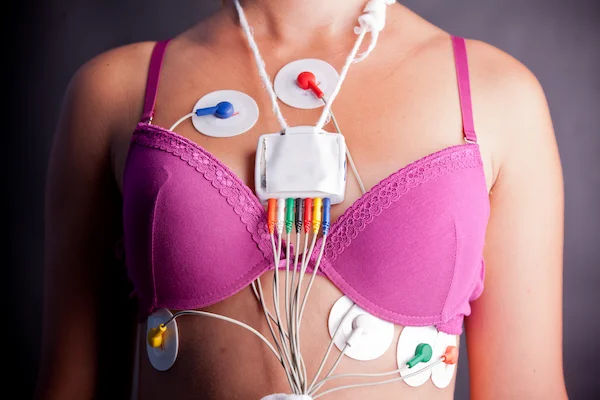




Disclaimer: Answers on Apollo 247 are not intended to replace your doctor advice. Always seek help of a professional doctor in case of an medical emergency or ailment.