


- male
- 50 Years
- 31/03/2021
What foods cause high blood pressure?

Answered by 1 Apollo Doctors

Excessive salt intake, processed foods, refined sugars and high fatty foods
Dr. Chandra Suggests...
Consult a Cardiologist
Answered 04/07/2025
0
0

More Cardiology Health Queries
View allI'm looking over my brother's medical report, and I'm curious about his high sensitive troponin I levelit came back as 0.05. Is this something to worry about? Can you help me understand if this is within a normal range or if there might be cause for concern?
High sensitive troponin I level of 0.05 ngmL is within the normal range. Troponin levels are often used to diagnose heart attacks or other heart-related conditions. In this case, the level of 0.05 ngmL is not concerning and does not indicate any acute heart issues. It is important to consider other factors and symptoms in conjunction with this result for a comprehensive evaluation. If your brother is experiencing any symptoms or concerns, it is recommended to follow up with his healthcare provider for further assessment and guidance.


Answered by 1 Apollo Doctors
I'm really worried about my mom who's 62. She recently had some chest pain, and her ECG came out abnormal. We consulted with a cardiologist, and they did a TMT test, which was strongly positive. She's also had an echo test done. Now we've been told she needs to go for a CAG angiogram test. I'm just trying to understand how serious her condition might be. Could there be a severe blockage? What do these tests tell us about her heart health?
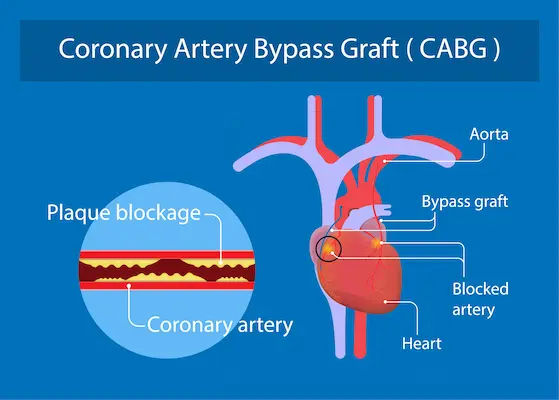
Given the information that your mother's TMT (treadmill test) result is strongly positive and she has had chest pain along with an abnormal ECG, it suggests a significant likelihood of coronary artery disease (CAD). An angiogram (CAG - coronary angiography) is the next appropriate step as it will provide a detailed view of the coronary arteries to identify the presence, location, and severity of any blockages. This test is crucial for determining the best treatment plan, which may involve medications, angioplasty, or coronary artery bypass grafting (CABG) depending on the findings. Please follow your cardiologist's recommendations and proceed with the angiogram for a definitive diagnosis and treatment plan.
Answered by 1 Apollo Doctors
I'm currently dealing with a blood pressure reading of 10871, which seems pretty normal. I usually take Telpres CT 4012.5 for my high blood pressure and Etizola Beta to manage my anxiety issues. With my blood pressure being in the normal range right now, I'm wondering if I should keep taking my blood pressure meds or if it's safe to stop them?
Your blood pressure is currently within the normal range. It is important to continue taking your blood pressure medication as prescribed by your doctor, even if your blood pressure is normal at the moment. Stopping medication abruptly can lead to a sudden increase in blood pressure. However, you can discuss with your doctor about possibly adjusting the dosage or switching to a different medication based on your current blood pressure readings. For now, continue taking Telpres CT 4012.5 for your blood pressure.
Answered by 1 Apollo Doctors
Health Articles for you
View all


Disclaimer: Answers on Apollo 247 are not intended to replace your doctor advice. Always seek help of a professional doctor in case of an medical emergency or ailment.