


- Male
- 34 Years
- 20/02/2025
I'm really worried about my mom who's 62. She recently had some chest pain, and her ECG came out abnormal. We consulted with a cardiologist, and they did a TMT test, which was strongly positive. She's also had an echo test done. Now we've been told she needs to go for a CAG angiogram test. I'm just trying to understand how serious her condition might be. Could there be a severe blockage? What do these tests tell us about her heart health?

Answered by 1 Apollo Doctors

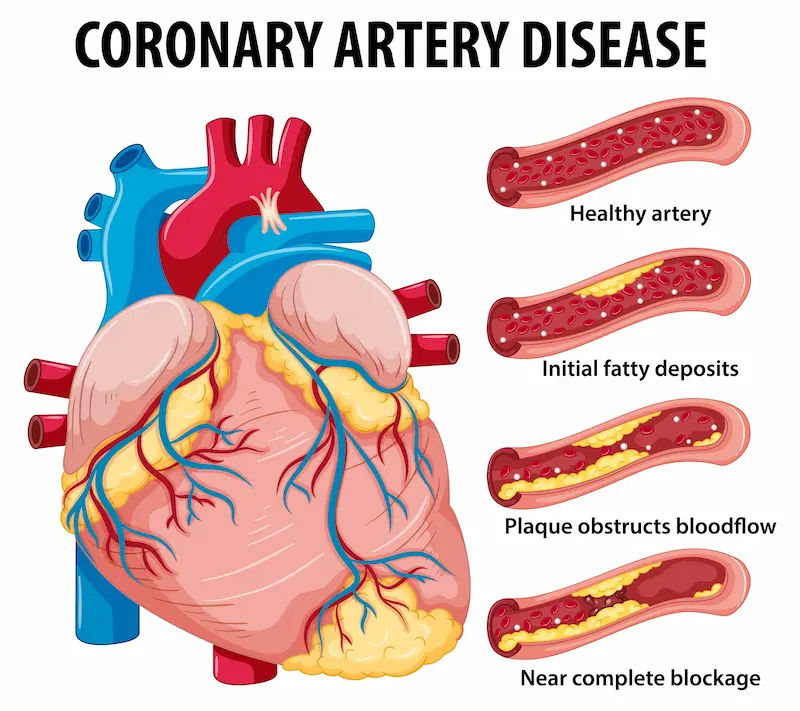
Given the information that your mother's TMT (treadmill test) result is strongly positive and she has had chest pain along with an abnormal ECG, it suggests a significant likelihood of coronary artery disease (CAD). An angiogram (CAG - coronary angiography) is the next appropriate step as it will provide a detailed view of the coronary arteries to identify the presence, location, and severity of any blockages. This test is crucial for determining the best treatment plan, which may involve medications, angioplasty, or coronary artery bypass grafting (CABG) depending on the findings. Please follow your cardiologist's recommendations and proceed with the angiogram for a definitive diagnosis and treatment plan.
Dr. Ibrahim Suggests...
Consult a Cardiologist
Answered 04/07/2025
0
0

More Cardiology Health Queries
View allWhat are the best foods to eat to lower triglycerides?
Omega-3 rich fish include salmon, sardines, mackerel, herring, tuna, and halibut. Other foods that help lower triglycerides include fiber-rich foods such as oats, flax meal, and beans. Olive oil, especially when substituted for animal fats like butter or lard, is another food that can help lower triglycerides.


Answered by 1 Apollo Doctors
My sister has been feeling sick and weak for months, with chest pain and nausea. It got worse yesterday, so we took her to the hospital. They did an ECG, echo, and chest X-ray. Her echo report shows she has grade 1 diastolic dysfunction. I read this is related to heart failure, but the doctor discharged her, saying everything's fine. Is there something more we should know? Could the doctor be keeping something from us?
Thats unusual at her age but it is reversible,ask her to have a healthy life style good foofd and adequate rest,follow your doctors advice
Answered by 1 Apollo Doctors
Is a PR of 102 on my ECG considered normal I've attached the report for reference Also wondering if it's safe to proceed with cataract surgery given these readings
An echo and cardiac markers are advised to the patient.Cardiologist opinion is advised to the patient.
Answered by 1 Apollo Doctors
Health Articles for you
View all

.webp)
Disclaimer: Answers on Apollo 247 are not intended to replace your doctor advice. Always seek help of a professional doctor in case of an medical emergency or ailment.