



- male
- 50 Years
- 31/03/2021
When should we check BP?

Answered by 1 Apollo Doctors

The first measurement should be in the morning before eating or taking any medications, and the second in the evening.
Dr. Mubarak Suggests...
Consult a Cardiologist
Answered 04/07/2025
0
0

More Cardiology Health Queries
View allI'm really worried because her blood pressure is staying high despite taking several medications. We've done all the tests, and everything seems fine except her LDL is a little high. What could be causing this, and what else can we do to help get her blood pressure under control?
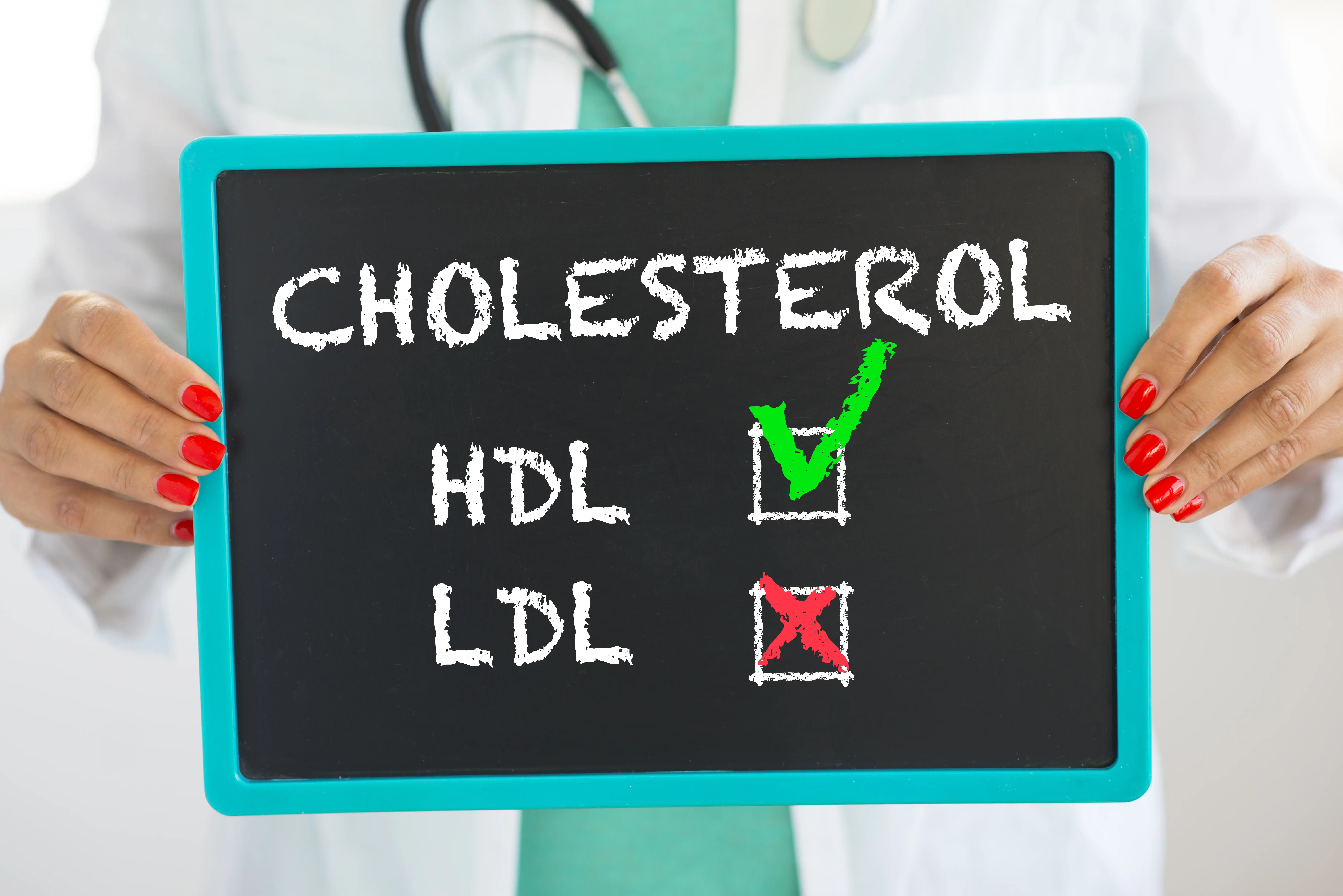
High blood pressure that is not well controlled despite taking multiple medications can be challenging. In this case, adding a medication such as Amlodipine (5mg) can help lower blood pressure effectively. Additionally, for high LDL cholesterol, Atorvastatin (20mg) can be prescribed to help lower LDL levels and reduce the risk of cardiovascular disease. It is important to follow up with regular blood pressure and cholesterol monitoring to adjust the treatment as needed.


Answered by 1 Apollo Doctors
I'm 30 years old and started having chest pain and tingling back in December 2016. I went through all the tests like ECG, 2D echo, and a stress test, and everything came back negative. They told me it's anxiety, so I've been on Depranex and Betacap. Lately, I've been getting this burning sensation that starts from my stomach or chest. It also feels like I'm being pricked on the left side of my chest and back. I'm really not sure what's going on with me, and it's making me worried. Could you give me some advice on what might be happening?
It sounds like you may be experiencing symptoms related to anxiety and possibly acid reflux. The burning sensation starting from the stomach or chest could be due to acid reflux, and the feeling of being pricked on the left side of the chest and back could be related to nerve pain or muscle tension. To address your symptoms, I recommend the following: - Continue taking Depranex for anxiety as prescribed. - For acid reflux and burning sensation, you can try taking Omeprazole (brand name: Prilosec) 20mg once daily before breakfast. - For nerve pain or muscle tension, you can try taking Gabapentin (brand name: Neurontin) 300mg once daily at bedtime. It's important to follow up with your healthcare provider for further evaluation and management of your symptoms.
Answered by 1 Apollo Doctors
I've been wearing a Holter monitor for three days because I've been having these palpitations. I got the report back and it mentions something about arrhythmia. Is this something I should be worried about or is it considered normal?
Hi, wearing a Holter monitor for three days is a common way to monitor heart activity for palpitations. Arrhythmias can be detected in such monitoring, and it is important to review the specific type and frequency of arrhythmias mentioned in your report. Depending on the type of arrhythmia detected, your doctor may prescribe medications such as Metoprolol (25-100mgday) to help manage the palpitations and regulate your heart rhythm. It is important to follow up with your doctor to discuss the findings of the report and any recommended treatment options.
Answered by 1 Apollo Doctors
Health Articles for you
View all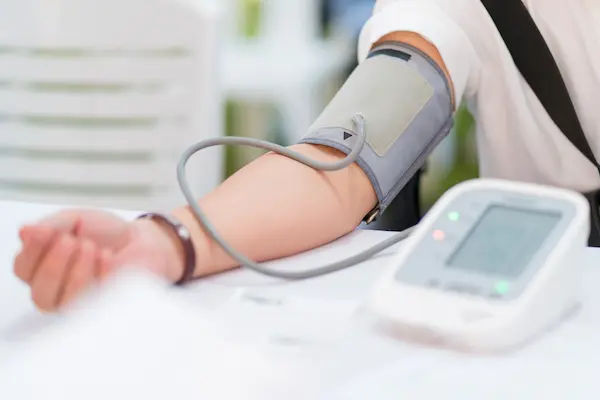


Disclaimer: Answers on Apollo 247 are not intended to replace your doctor advice. Always seek help of a professional doctor in case of an medical emergency or ailment.