


- female
- 50 Years
- 31/03/2021
Which fruit is best for heart?

Answered by 1 Apollo Doctors

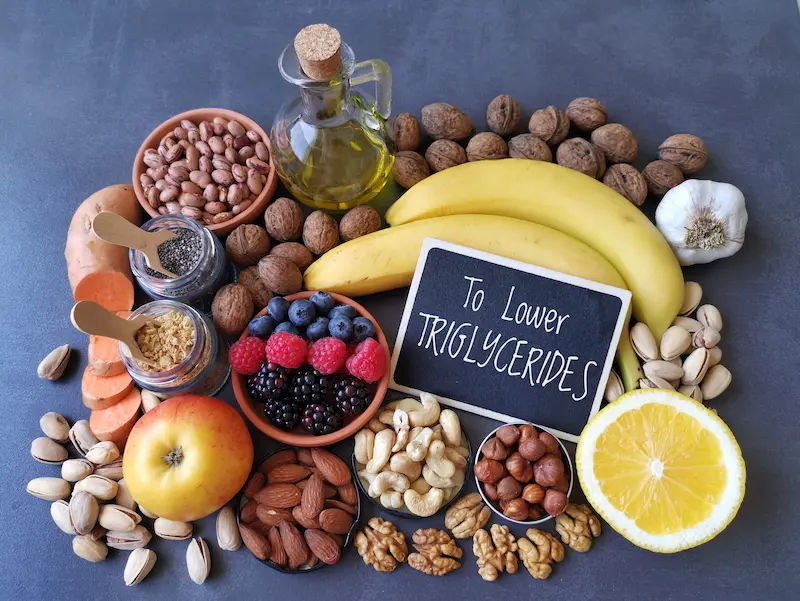
Apples, Apricots, Bananas, Berries, Grfapefruit, Oranges, Peaches
Dr. Dr Khaleel Suggests...
Consult a Cardiologist
Answered 04/07/2025
0
0

More Cardiology Health Queries
View allFor the past week I've been feeling dizzy and exhausted with occasional chest pain and frequent dizziness spells. My pulse is around 53 and I'm concerned this might be due to bradycardia. How serious is this and are there ways to treat it without needing surgery?
An echo and TMT along with cardiac markers are advised to the patient.Cardiologist opinion is advised


Answered by 1 Apollo Doctors
My dad just turned 50 and he's in good health overall. His recent routine stress test showed a positive result, which has us concerned. He was also found to have a Vitamin D deficiency, with a level of 9.8. Could this deficiency be linked to the stress test results? Should we be worried about one affecting the other?
Vitamin D deficiency can impact cardiovascular health and may affect the results of a stress test. It is important to address the Vitamin D deficiency to improve overall health. Your father can take Vitamin D supplements such as "Calcirol" 60,000 IU once a week for 8 weeks followed by maintenance dose of 1000-2000 IU daily. Additionally, he should spend time in sunlight and consume foods rich in Vitamin D like fatty fish, egg yolks, and fortified dairy products. Regular follow-up with his healthcare provider is recommended to monitor his Vitamin D levels and cardiovascular health.
Answered by 1 Apollo Doctors
I'm having this sharp pain under my left breast and its been going on for a good five years now. Along with that, I often feel really tired and occasionally get these heart palpitations. Should I be worried about these symptoms?
visit dermatologist for evaluation and appropriate management
Answered by 1 Apollo Doctors
Health Articles for you
View all
_3.webp)

Disclaimer: Answers on Apollo 247 are not intended to replace your doctor advice. Always seek help of a professional doctor in case of an medical emergency or ailment.