


Guide to Covid 19 Infection Prevention And Control
Your essential guide to COVID-19 prevention and control. Learn simple, science-backed steps for reducing infection risk, including updated advice on vaccines, high-quality masks, and improving indoor air quality through ventilation and filtration.

Written by Dr. Siri Nallapu
Reviewed by Dr. Rohinipriyanka Pondugula MBBS
Last updated on 13th Jan, 2026
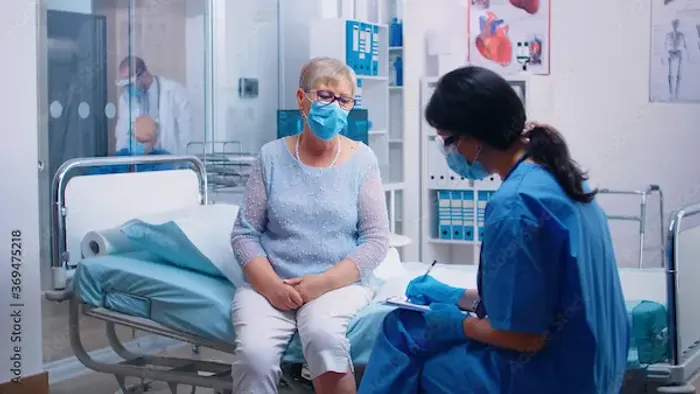
Introduction
COVID has changed how we think about everyday infection prevention. While many places have moved on from emergency measures, the virus still circulates seasonally and can cause serious illness—especially in older adults, people with chronic conditions, and the immunocompromised. The good news: simple, science-backed prevention steps still work, and you can tailor them to your life without feeling overwhelmed. In this guide, we break down the latest on COVID prevention—vaccines, masks, ventilation, testing, and smart daily habits—so you can lower your risk at home, at work, and on the go. You’ll find practical checklists, examples, and clear explanations grounded in leading guidance from health agencies and building science experts. If you’re caring for vulnerable family members, planning travel, or simply want to avoid COVID infection while keeping normal routines, this article shows you how to choose the right layers of protection for each situation. Let’s get you the clarity, confidence, and actionable steps you need to stay healthy this season.
Consult Top General Practitioners for Personalised Advice
How COVID Spreads—and Why It Matters for Prevention
COVID spreads primarily through the air via virus-laden aerosols, meaning prevention must focus on the quality of the
air we share.
COVID spreads primarily through the air, especially in poorly ventilated indoor spaces where virus-laden aerosols can
accumulate. That’s why prevention isn’t just about distance—it’s about the air we share. Think of prevention as layers:
vaccines reduce the chance of severe illness; ventilation and filtration reduce virus concentration; masks block particles
near your face; testing helps you avoid exposing others; and staying home when sick breaks chains of transmission.
Together, these layers sharply lower your chance of COVID infection.
Aerosols vs. Droplets
Early in the pandemic, guidance emphasised droplets (larger particles that fall quickly). We now recognise aerosols—
tiny particles that can linger for hours—as a major driver, especially indoors. That’s why opening windows, improving
HVAC, and using HEPA purifiers matter. Better air quality benefits other respiratory infections too (flu, RSV), making
it a smart, long-term prevention investment.
Variants and Seasonality
Variants can be more transmissible and may partially evade immunity, but core prevention steps still work. Expect
higher activity in cooler months when people spend more time indoors with windows closed. Use “risk budgeting”: add
layers when risk is high (crowded indoor events, poor ventilation) and scale back when outdoors or in well-ventilated
spaces. This approach answers common questions like “how to prevent COVID infection at home” by focusing on
simple, high-impact changes: fresh air, filtration, and masking when visitors come over.
Personal vs. Community Risk
Your choices may change if you or your household include older adults, people with chronic conditions, or the
immunocompromised. For them, stronger layers (updated boosters, respirators, HEPA purifiers) are especially
important.
Unique Insight: Think of air quality like water quality. You wouldn't drink from a stagnant pond, so don't continuously
breathe stagnant, shared air. Clean air is the foundation of infection prevention.
Vaccines and Boosters: Your Strongest Defence
Staying up to date with the latest COVID booster is the most effective measure you can take to prevent severe illness
and hospitalisation.
Vaccines remain the most effective tool to prevent severe disease, hospitalisation, and death. Updated COVID boosters
are formulated to target currently circulating strains and have consistently shown strong protection against severe
outcomes, even as variants evolve. If you’re asking about a COVID booster 2024 schedule, current recommendations
prioritise:
Current Booster Recommendations
- Adults, especially 65+, and people with underlying conditions.
- Pregnant people (to protect both mother and baby).
- Immunocompromised individuals, who may need additional doses.
Effectiveness and Long COVID
While breakthrough infections can occur, vaccinated people typically experience milder illness and shorter duration.
Several studies suggest vaccination reduces the risk of long COVID compared with being unvaccinated, another reason
to stay up to date.
Myths vs. Facts
- “I already had COVID; I don’t need a booster.” Re-infection is possible, and hybrid immunity (vaccine + prior
infection) tends to be strongest. Boosters refresh protection against new variants. - “Boosters don’t work anymore.” They do. Protection against infection can wane, but protection against severe disease
remains robust and improves with updated doses.
Practical Tip: Combine your COVID and flu shots during the same visit if convenient. If you’re unsure about timing or
eligibility, consult a doctor online with Apollo 24|7 for personalised advice, especially if you’re immunocompromised
or pregnant.
Masks and Respirators: Choosing and Using Them Well
High-quality, well-fitted masks or respirators offer a flexible, immediate layer of protection you can add whenever the
risk is high.
Masks are a flexible, personal layer you can add when risk rises—crowded public transport, a clinic visit, or visiting a
vulnerable relative. Not all masks are equal:
Mask Types and Filtration
- N95/FFP2/KN95 respirators offer the best filtration and fit, ideal for high-risk settings.
- Surgical masks provide moderate source control but less protection to the wearer.
- Cloth masks vary widely; multi-layered, well-fitted versions are better than single-layer.
The Importance of Fit
Fit matters as much as filtration. A great mask worn poorly won’t work well. Aim for a snug seal around your nose and
cheeks; adjust the nose bridge; use headbands or ear-savers to reduce gaps. If glasses fog, adjust the nose clip and place
the mask under frames. Check the seal by gently inhaling; the mask should pull in slightly. For children, choose
appropriately sized masks labelled for their age. For many, the best masks for COVID prevention are those you can
wear comfortably for the full duration of exposure.
When to Mask
- Crowded indoor spaces (events, malls, public transport).
- Healthcare settings or when visiting older or immunocompromised loved ones.
- During community surges or when travelling (airports, planes).
- If you’re recovering from COVID and returning to activities, mask to protect others.
Unique Insight: Pair masking with clean air. In a room with HEPA filtration or high ventilation, exposure time to reach
an infectious dose is longer; adding a well-fitted respirator extends that safe time further. This “stacked” approach is
how you right-size precautions without overhauling your routine.
Indoor Air Quality: Ventilation, Filtration, and Practical Fixes
Improving the rate at which indoor air is replaced or cleaned is one of the most effective structural methods to lower
airborne virus concentration.
Because COVID spreads through the air, improving indoor air is one of the most powerful and underused prevention
tools. Think in terms of air changes per hour (ACH)—how quickly the room’s air is replaced or cleaned. More fresh or
filtered air means fewer virus particles and lower infection risk.
Ventilation Basics
- Open windows on opposite sides to create cross-ventilation. Even 10–15 minutes can help.
- Use exhaust fans (bathroom/kitchen) to pull air out and bring fresh air in.
- In buildings with HVAC, set systems to increase outdoor air, run fans continuously during gatherings, and consider
MERV-13 or higher filters if the system supports them.
Filtration and Portable HEPA
- Portable HEPA purifiers reduce airborne particles significantly. Choose a unit sized for your room; a Clean Air
Delivery Rate (CADR) matched to the volume can add 3–5 ACH. - DIY Corsi–Rosenthal boxes (box fan + MERV-13 filters) are an affordable alternative shown to reduce particles in
classrooms and offices. - Consider $\text{CO}_2$ monitors as a rough proxy for ventilation; lower $\text{CO}_2$ often indicates better fresh air
exchange. While $\text{CO}_2$ isn’t virus itself, values below $\sim 800-1000$ ppm in occupied spaces usually reflect
healthier air.
Real-World Scenarios
- Home: Run a HEPA purifier in the living room during gatherings; crack windows; seat people near fresh air. This is
how to prevent COVID infection at home without drastic changes. - Office: Ask about HVAC settings, filter ratings, and maintenance. Small portable HEPA units can supplement shared
spaces.
Unique Insight: Post the “air plan” alongside fire safety info in workplaces or classrooms: target ACH, filter change
dates, and who maintains devices. Transparency builds trust and compliance.
Testing, Isolation, and Smart Daily Habits
Using rapid tests for quick decisions, isolating when symptomatic, and maintaining excellent hand hygiene are essential
personal prevention practices.
Testing
Rapid antigen tests are great for quick decisions—before visiting grandparents, returning to work after illness, or after a
known exposure. They detect higher viral loads reliably; if negative but you have symptoms, repeat in 24–48 hours or
confirm with PCR. PCR is more sensitive and useful early or for definitive results. For convenience, Apollo 24|7 offers
home collection for COVID-19 RT-PCR in many locations; check availability in your area.
Isolation and Return to Normal
If you test positive or have classic symptoms, stay home and away from others. Current guidance emphasises symptom-
based isolation: stay home until fever-free for 24 hours without medication and overall symptoms are improving, then
add extra precautions like well-fitted masking for several days when resuming activities. Wondering how long to isolate
after COVID positive? Many authorities recommend at least 5 days of isolation from symptom onset, followed by
masking through day 10, but always check local guidance.
Daily Habits
- Hand Hygiene: While COVID is primarily airborne, hand hygiene lowers the risk of multiple infections. Wash with
soap for 20 seconds; use sanitiser ($\geq 60\%$ alcohol) when soap isn’t available. - Surface Cleaning: Focus on high-touch surfaces (doorknobs, remotes, phones) with standard household cleaners.
Routine cleaning is sufficient in most homes. - Cough Etiquette: Cover coughs/sneezes; dispose of tissues; perform hand hygiene.
Protecting High-Risk People
For immunocompromised or elderly family members, use more layers: up-to-date boosters, indoor air improvements,
and N95/FFP2 masking in higher-risk settings. If you develop symptoms after contact, test promptly and avoid visits
until you’re negative and improving. This tailored approach is essential for COVID prevention for
immunocompromised loved ones.
Unique Insight: “Social bubbles” still work. If a key caregiver must remain healthy, agree on shared layers (e.g.,
everyone rapid-tests before visits, masks in clinics, HEPA running during gatherings) during high-risk periods.
Special Situations: Work, School, Events, and Travel
Applying layered mitigation strategies tailored to specific environments (workplaces, schools, during travel) ensures risk
reduction while maintaining normal routines.
Workplace
Employers can reduce COVID infection prevention in the workplace risk with a few structural steps:
- Ventilation: Increase outdoor air, upgrade filtration (MERV-13+), and maintain systems. Share air-quality metrics
where possible. - Administrative Controls: Encourage sick leave without penalties; enable hybrid work during surges; schedule high-
density activities in larger, well-ventilated rooms. - PPE: Provide respirators for those who want them and make masking culturally acceptable, not stigmatised.
Schools and Childcare
Age-appropriate layers make a difference:
- Keep kids home when sick; use rapid tests for return decisions.
- Improve classroom air (open windows, HEPA, outdoor time). Post a simple check chart for teachers (windows open?
purifier on? filter change date?). - Offer optional masking during surges; ensure staff are up to date on vaccines.
Travel and Events
- Pre-travel: Check local transmission and requirements; consider a booster if due; pack N95/FFP2s; bring rapid tests.
These are practical travel tips to prevent COVID infection. - In Transit: Mask in crowded terminals and throughout flights/trains. Use seat vents directed to your face to create a
local clean-air stream. - Gatherings: Combine layers—encourage testing for large family events, open windows, run a HEPA unit, and consider
masking for those at higher risk.
Unique Insight: Use a “layer calculator mindset.” For each situation, pick at least two layers (e.g., mask + improved
air; testing + masking; booster + HEPA). Two layers often deliver a big risk reduction without feeling burdensome.
Conclusion
COVID prevention doesn’t have to be complicated. Focus on the layers with the biggest payoff: stay current with vaccines, improve the air you breathe, and add a well-fitted respirator in crowded indoor settings. Use tests to make smart decisions—especially before visiting high-risk loved ones—and stay home when you’re sick to protect your community. For families, schools, and workplaces, small structural steps like better ventilation and accessible masks build resilience against COVID, flu, and other respiratory infections. If you have ongoing symptoms, are immunocompromised, or have questions about boosters or treatments, consult a doctor online with Apollo 24|7 for personalised guidance. Need a definitive result? Apollo 24|7 offers convenient home collection for COVID-19 RT-PCR in many areas. By right-sizing your precautions to the situation—home, office, travel—you can live your life while keeping COVID infection risk low. Start with one improvement today: open a window, book your booster, or pick up a box of rapid tests. Small steps add up.
Consult Top General Practitioners for Personalised Advice
Consult Top General Practitioners for Personalised Advice

Dr. Vivek D
General Physician
4 Years • MBBS
Bengaluru
PRESTIGE SHANTHINIKETAN - SOCIETY CLINIC, Bengaluru

Dr Syed Mateen Pasha
General Physician
2 Years • MBBS
Bengaluru
PRESTIGE SHANTHINIKETAN - SOCIETY CLINIC, Bengaluru


Dr. D Bhanu Prakash
General Practitioner
10 Years • MBBS, AFIH, Advanced certificate in critical care medicine, Fellowship in critical care medicine
Hyderabad
Apollo 24|7 Clinic, Hyderabad

Dr. Debajyoti Goswami
Obstetrician and Gynaecologist
10 Years • MBBS,D.G.O(DNB),Adv. Infertility Tech.(AIIMS, Delhi),Fellowship in Diabetes(U.K),Comprehensive Abortion Care(Govt. Of W.B), Certificate in Clinical Embryology(AIIMS, BHUBANESWAR)
Bankura
D.G Clinic, Bankura

(50+ Patients)

Dr. Johnson. S
General Practitioner
7 Years • MBBS MD(Preventive and social Medicine)
Pune
Apollo Clinic, Nigdi, Pune
Consult Top General Practitioners for Personalised Advice
Dr. Vivek D
General Physician
4 Years • MBBS
Bengaluru
PRESTIGE SHANTHINIKETAN - SOCIETY CLINIC, Bengaluru
Dr Syed Mateen Pasha
General Physician
2 Years • MBBS
Bengaluru
PRESTIGE SHANTHINIKETAN - SOCIETY CLINIC, Bengaluru
Dr. D Bhanu Prakash
General Practitioner
10 Years • MBBS, AFIH, Advanced certificate in critical care medicine, Fellowship in critical care medicine
Hyderabad
Apollo 24|7 Clinic, Hyderabad
Dr. Debajyoti Goswami
Obstetrician and Gynaecologist
10 Years • MBBS,D.G.O(DNB),Adv. Infertility Tech.(AIIMS, Delhi),Fellowship in Diabetes(U.K),Comprehensive Abortion Care(Govt. Of W.B), Certificate in Clinical Embryology(AIIMS, BHUBANESWAR)
Bankura
D.G Clinic, Bankura
(50+ Patients)
Dr. Johnson. S
General Practitioner
7 Years • MBBS MD(Preventive and social Medicine)
Pune
Apollo Clinic, Nigdi, Pune
More articles from Covid
.webp)

Frequently Asked Questions
1) What’s the single most important step to prevent severe COVID?
Getting an updated booster. Vaccines remain the strongest protection against hospitalisation and death. Pair vaccination with clean air and masking when risk rises.
2) Do HEPA air purifiers really help prevent COVID infection?
Yes. HEPA units remove airborne particles, including virus-laden aerosols, reducing the concentration you breathe. Choose a purifier sized for your room for the best effect.
3) How accurate are rapid antigen tests for COVID?
They’re most accurate when viral load is high (symptoms, day 2–4). If you’re symptomatic but negative, repeat in 24–48 hours or confirm with PCR for clarity.
4) How long should I isolate after a positive COVID test?
Isolate at least through the period you have a fever and significant symptoms; once fever-free for 24 hours without medication and overall improving, you can resume activities with masking for several days. Check local guidance.
5) I’m immunocompromised—what extra steps should I take?
Stay up to date with boosters, use an N95/FFP2 in higher-risk settings, improve indoor air (HEPA, ventilation), and ask close contacts to test before visits. For tailored advice, consult a doctor online with Apollo 24|7.