


Mental Wellbeing Post-COVID: Effective Coping Strategies
Learn mental well-being post-COVID coping strategies and mental health tips. Ease anxiety, boost resilience, and know when to seek help.

Written by Dr. J T Hema Pratima
Reviewed by Dr. Dhankecha Mayank Dineshbhai MBBS
Last updated on 14th Jan, 2026
Introduction
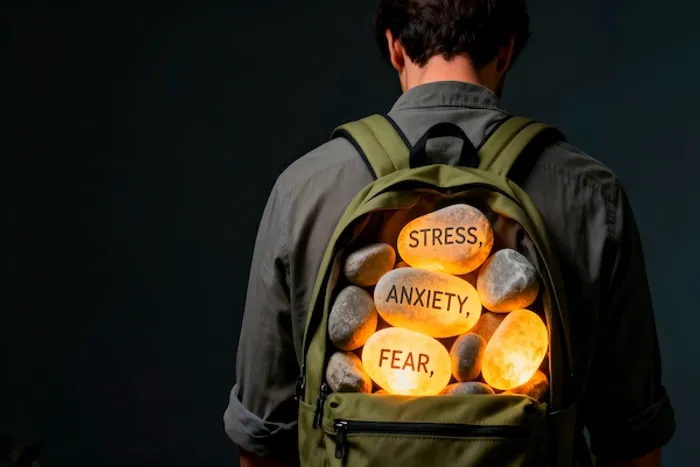
Many people are still adjusting to life after the pandemic. Changes in routines, work, relationships, and health, plus the ongoing impact of long COVID, can affect how we feel and function. If you’ve noticed more stress, worry, low mood, or burnout, you’re not alone. This article offers practical coping strategies and simple mental health tips to support your mental well-being post-COVID. You’ll find evidence-based advice, easy daily habits, and guidance on when to seek professional help.
Consult a Top General Practitioner for Personalised Advice
Mental Well-being Post-COVID
The pandemic disrupted daily life in profound ways. Even as restrictions eased, people faced new stressors: grief for what was lost, social re-entry anxiety, financial pressure, caregiving strain, and uncertainty about health. Some people also experience ongoing symptoms after a COVID-19 infection, including fatigue, sleep problems, “brain fog,” and mood changes, which can make recovery feel even harder.
Common challenges people report include:
- Anxiety and overthinking
- Low mood, sadness, or irritability
- Sleep difficulties
- Fatigue and reduced motivation
- Concentration or memory problems
- Feeling disconnected from others
- Worry about health or future outbreaks
If these feel familiar, know that recovery is not a straight line. With the right support, many people regain balance. Strengthening mental well-being post-COVID is about rebuilding routines, reconnecting with others, caring for your body, and getting appropriate care when needed.
When to Seek Help
Many symptoms improve with self-care and time. Still, it’s important to seek professional support if you notice:
- Symptoms (like anxiety, low mood, or sleep problems) most days for two weeks or more
- Thoughts of self-harm or suicide
- Panic attacks, frequent nightmares, or flashbacks
- Substance use is increasing to cope
- Ongoing physical symptoms after COVID that affect daily life (possible long COVID)
- Significant trouble functioning at work, school, or home
Where to Start:
The options to start include:
- Primary care: They can check for medical causes (such as thyroid issues, anemia, or medication effects), discuss long COVID concerns, and refer you to mental health care.
- Mental health professionals: Therapists, psychologists, or psychiatrists provide evidence-based treatments like cognitive behavioural therapy (CBT) and medication when needed.
- Telehealth and digital tools: Many services are available virtually if in-person visits are hard to arrange.
- Crisis support: If you are in immediate danger or have thoughts of harming yourself, seek emergency care or contact a local crisis hotline right away.
Note: This article offers general information and mental health tips. It is not a substitute for personalised medical advice.
Evidence-based Coping Strategies For Recovery
Build a stabilising routine
- Routines reduce decision fatigue and bring a sense of control.
- Keep regular wake, meal, and sleep times.
- Start with two “anchor” habits (for example, morning light and a midday walk).
- Use a simple checklist or phone reminders to stay on track.
Prioritise Sleep Health
- Good sleep supports mood, focus, and immunity.
- Keep a consistent sleep schedule, even on weekends.
- Wind down 30–60 minutes before bed (dim lights, quiet activities).
- Limit caffeine late in the day and reduce evening screen time.
- If you have persistent insomnia, ask a clinician about CBT for insomnia (CBT-I), an effective, drug-free treatment.
Move Your Body Regularly
- Physical activity can reduce anxiety and depression and improve sleep.
- Short bouts count: try a 10-minute walk, gentle stretching, or light strength work.
- Choose activities you enjoy (dancing, cycling, yoga).
- If recovering from COVID or managing long COVID, pace yourself. Increase activity gradually and rest before you feel exhausted.
Practice Mindfulness and Breathing
- Mindfulness helps you notice thoughts and feelings without getting swept away.
- Try a simple breathing practice: inhale through your nose for 4 counts, exhale for 6 counts, for 1–3 minutes.
- Grounding technique: name 5 things you see, 4 you feel, 3 you hear, 2 you smell, 1 you taste.
- -Start with 3–5 minutes daily and increase as comfortable.
Use CBT-Style Thinking Skills
- How you talk to yourself affects how you feel and act.
- Catch “all-or-nothing” thoughts (for example, “I’m failing at everything”) and reframe them (for example, “Today was hard, but I handled X and can try Y tomorrow”).
- Ask: What’s the evidence for and against this thought? What would I say to a friend?
- Pair reframing with small, doable actions to build momentum.
Reconnect Socially
- Social support protects mental health.
- Schedule regular check-ins with a friend or family member.
- Join a group with shared interests (online or in person).
- Start small if socialising feels hard: brief messages, short calls, or a coffee walk.
Set Healthy Media Boundaries
- Staying informed matters, but constant updates can fuel anxiety.
- Choose trusted sources and check the news at set times.
- Mute or unfollow feeds that increase stress.
- Balance news with relaxing or uplifting content.
Nourish your body
- Food and mood are linked.
- Aim for regular meals with fibre, protein, and healthy fats.
- Drink enough water throughout the day.
- Limit alcohol and recreational drugs; they can worsen anxiety, sleep, and mood over time.
Support for Long COVID Symptoms
If you have ongoing symptoms after COVID:
- Pace activities to avoid “push-crash” cycles. Alternate activity and rest.
- Track triggers (poor sleep, stress, overexertion) and plan around them.
- Speak with your clinician about multidisciplinary care (primary care, rehabilitation, mental health).
- Addressing physical symptoms often improves mood and thinking.
Create a personal coping plan
- Write down your top 3 stressors and 3 go-to coping strategies (for example, breathing, a short walk, calling a friend).
- Make goals specific and realistic (What, When, Where, How long).
- Review weekly: What helped? What needs adjusting?
Practical Mental Health Tips
The practical mental health tips to start include:
- Do a 10-minute “reset”: slow breathing, stretch, drink water, and open a window for fresh air.
- Get morning light exposure for 5–10 minutes to support your body clock.
- Schedule worry time: write worries for 10 minutes, then close the notebook and move on.
- Practice gratitude: note 3 small things that went okay today.
- Go outdoors: even a brief nature walk can lower stress.
- Try a “single-task” session: silence notifications for 20 minutes and focus on one thing.
- Use compassionate self-talk: speak to yourself like you would to a friend.
- Declutter one small space (a drawer or email folder) for a quick win.
- Plan a connection: set up a call or walk with someone you trust.
- Book a check-in with your clinician if symptoms persist or affect daily life.
These mental health tips are simple, repeatable actions. Start with one or two, and build from there.
Supporting Children, Teens, and Older Adults
Ways to support include:
- Children: Keep predictable routines, use clear language about changes, and offer extra time for
- play and sleep. Notice behaviour changes (clinginess, irritability) and talk with their paediatrician or school if concerns persist.
- Teens: Validate feelings, encourage physical activity and social connection, and set healthy tech limits together. Consider counselling if mood, sleep, or schoolwork decline.
- Older adults: Reduce isolation with regular check-ins, community programs, and safe social activities. Ask clinicians about hearing, vision, pain, or medications that might affect mood or thinking.
Workplace and School
- Set realistic expectations while your energy and focus rebuild.
- Use structured breaks to prevent overwhelm (for example, a 5-minute pause every hour).
- Talk with your manager or school about temporary adjustments (flexible hours, reduced workload, quiet spaces).
- Use employee assistance programs (EAP) or campus counselling when available.
- Protect recovery time, especially sleep, movement, and social connection.
Bringing it All Together
Improving mental well-being post-COVID is a journey, not a sprint. Consistent small steps, sleep routines, movement, mindfulness, social support, and healthy boundaries often add up to meaningful change. If symptoms persist, reach out to a healthcare professional; effective help is available. With steady coping strategies and thoughtful mental health tips, you can rebuild resilience and feel more like yourself again.
Consult a Top General Practitioner for Personalised Advice
Consult a Top General Practitioner for Personalised Advice

Dr. Rajib Ghose
General Physician/ Internal Medicine Specialist
25 Years • MBBS
East Midnapore
VIVEKANANDA SEBA SADAN, East Midnapore

Dr. Ashita Kuruvilla
General Practitioner
7 Years • MBBS
Kolkata
KVC CLINIC, Kolkata

Dr. Utsa Basu
Diabetologist
14 Years • MBBS , MD
Barasat
Diab-Eat-Ease, Barasat

(75+ Patients)

Dr. Imtiyaz Khan
General Practitioner
6 Years • MD (Physician), Fellowship in Critical Care,AFIH
Bengaluru
Apollo Clinic, Sarjapur Road, Bengaluru

Dr. Avinash Sharma
General Practitioner
1 Years • MBBS
Kolkata
Wellness Health Point, Kolkata
(25+ Patients)
Consult a Top General Practitioner for Personalised Advice
Dr. Rajib Ghose
General Physician/ Internal Medicine Specialist
25 Years • MBBS
East Midnapore
VIVEKANANDA SEBA SADAN, East Midnapore
Dr. Ashita Kuruvilla
General Practitioner
7 Years • MBBS
Kolkata
KVC CLINIC, Kolkata
Dr. Utsa Basu
Diabetologist
14 Years • MBBS , MD
Barasat
Diab-Eat-Ease, Barasat
(75+ Patients)
Dr. Imtiyaz Khan
General Practitioner
6 Years • MD (Physician), Fellowship in Critical Care,AFIH
Bengaluru
Apollo Clinic, Sarjapur Road, Bengaluru
Dr. Avinash Sharma
General Practitioner
1 Years • MBBS
Kolkata
Wellness Health Point, Kolkata
(25+ Patients)
More articles from Covid



Frequently Asked Questions
Is it normal to feel anxious or low even though the pandemic phase has passed?
Yes. Many people still feel unsettled by losses, routine changes, or ongoing health concerns. These feelings can improve with time, self-care, and support. If symptoms last more than two weeks or interfere with daily life, speak with a healthcare professional.
How do I know if it’s long COVID or anxiety/depression?
Long COVID can include fatigue, brain fog, sleep problems, and mood changes. Anxiety and depression can also affect energy, concentration, and sleep. Because symptoms overlap, it’s important to see a clinician. They can review your history, rule out other causes, and create a treatment plan, which may include rehabilitation and mental health care.
What coping strategies work best right now?
Start with basics that have strong evidence: consistent sleep routines, regular physical activity, breathing or mindfulness practices, and social connection. Add CBT-style thought reframing and set limits on stress-inducing media. If you’re managing long COVID, use pacing and gradual activity increases with clinical guidance.
Are mental health apps or online programs helpful?
Many people find them useful for skills like mindfulness, CBT exercises, and habit tracking. Choose apps from reputable organisations, check privacy policies, and use them as a complement, not a replacement for professional care when you need it.
How can I support a friend or family member who’s struggling?
Listen without judgment, validate their feelings, and offer practical help (a meal, a ride, company at an appointment). Share resources and encourage professional support. If they express thoughts of self-harm, seek immediate help through local emergency services or crisis lines.