How To Reduce Tlc In Blood?
Learn effective ways to reduce high Total Leukocyte Count (TLC) in blood through natural remedies, lifestyle changes, and medical treatments. Understand the causes and when to seek help.

Written by Dr. Md Yusuf Shareef
Reviewed by Dr. Rohinipriyanka Pondugula MBBS
Last updated on 16th Mar, 2026
If you’ve recently had a blood test and found out that your Total Leukocyte Count (TLC) is high, you might be wondering what it means and how to bring it back to normal. Don’t worry- this guide will help you understand TLC, why it might be elevated, and what you can do to manage it effectively.
What is TLC?
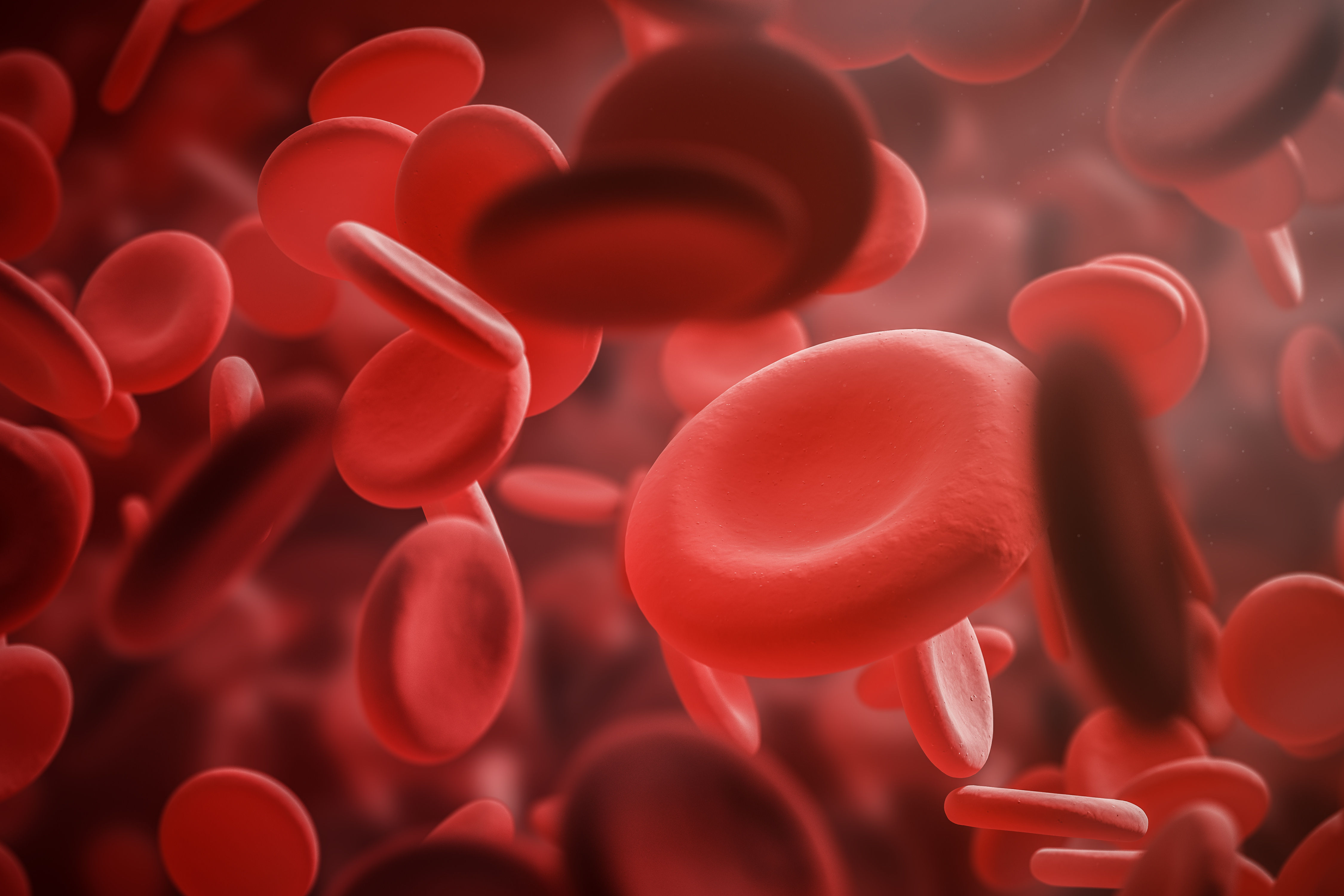
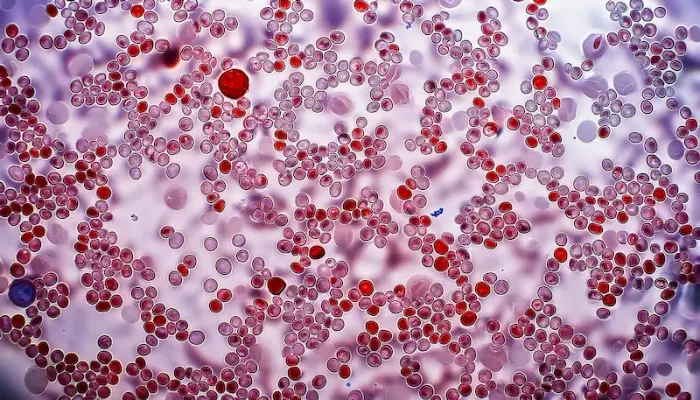
Total Leukocyte Count (TLC) refers to the number of white blood cells (WBCs) in your blood. These cells are a crucial part of your immune system, helping your body fight infections and diseases. A normal TLC range is typically between 4,000 and 11,000 cells per microliter of blood.
When your TLC is higher than normal, it’s called leukocytosis, which could indicate an infection, inflammation, or other underlying health issues.
Why Does TLC Increase?
Several factors can cause a high TLC, including:
1. Infections: Bacterial, viral, or fungal infections can trigger an immune response, increasing WBC production.
2. Inflammation: Conditions like arthritis, allergies, or autoimmune diseases can raise TLC.
3. Stress: Physical or emotional stress can temporarily elevate WBC levels.
4. Medications: Certain drugs, like steroids, can increase TLC.
5. Bone marrow disorders: Conditions like leukemia can cause abnormal WBC production.
6. Smoking or poor diet: Unhealthy habits may contribute to chronic inflammation.
If your TLC is high, your doctor may recommend further tests to determine the exact cause.
How to Reduce TLC Naturally?
If your high TLC is due to temporary factors like infection or stress, you can take steps to bring it back to normal. Here are some effective ways:
1. Boost Your Immune System
Eat a balanced diet rich in fruits, vegetables, whole grains, and lean proteins.
Include immune-boosting foods like citrus fruits, garlic, ginger, and yogurt.
Stay hydrated to help flush out toxins.
2. Reduce Stress
Practice deep breathing, meditation, or yoga to lower stress hormones.
Get enough sleep (7-9 hours per night) to support immune function.
3. Exercise Regularly
Moderate exercise (like walking, swimming, or cycling) helps regulate immune function.
Avoid overtraining, as excessive exercise can increase inflammation.
4. Quit Smoking & Limit Alcohol
Smoking increases inflammation and WBC count.
Excessive alcohol weakens immunity—limit intake to moderate levels.
5. Manage Chronic Conditions
If you have diabetes, arthritis, or allergies, follow your doctor’s advice to control inflammation.
6. Herbal Remedies (With Caution)
Turmeric, green tea, and echinacea may help reduce inflammation.
Always consult your doctor before trying supplements.
When to See a Doctor
While lifestyle changes can help, consult a doctor if:
Your TLC remains high despite healthy habits.
You experience fever, fatigue, unexplained weight loss, or frequent infections.
Your doctor suspects an underlying condition (like an autoimmune disorder or blood cancer).
Your doctor may recommend:
Further blood tests (like a differential WBC count).
Anti-inflammatory or antibiotic medications if needed.
Specialized care for chronic conditions.
Conclusion
A high TLC is often a sign that your body is fighting something, but with the right care, you can bring it back to balance. Focus on a healthy diet, stress management, and regular check-ups to keep your immune system strong.
If you’re concerned about your TLC levels, Apollo 24|7 makes it easy to book a consultation or schedule a blood test from home. Stay proactive about your health—your body will thank you!
Would you like personalized advice? Connect with our experts today!
Consult Top General Physicians
Consult Top General Physicians

Dr. Anand Ravi
General Physician
2 Years • MBBS, FEM
Bengaluru
PRESTIGE SHANTHINIKETAN - SOCIETY CLINIC, Bengaluru

Dr Syed Mateen Pasha
General Physician
2 Years • MBBS
Bengaluru
PRESTIGE SHANTHINIKETAN - SOCIETY CLINIC, Bengaluru


Dr. Syed Ismail Ali
General Practitioner
7 Years • MBBS
Hyderabad
Apollo 24|7 Clinic, Hyderabad
Dr. Ajay Sinha
General Physician/ Internal Medicine Specialist
31 Years • MD, Internal Medicine
Delhi
Apollo Hospitals Indraprastha, Delhi
(225+ Patients)
Dr. Harshendra Jaiswal
General Physician/ Internal Medicine Specialist
12 Years • MBBS , MD (General medicine)
Kolkata
108 DHANA DHANVANTARI Clinic, Kolkata
(25+ Patients)
Consult Top General Physicians
Dr. Anand Ravi
General Physician
2 Years • MBBS, FEM
Bengaluru
PRESTIGE SHANTHINIKETAN - SOCIETY CLINIC, Bengaluru
Dr Syed Mateen Pasha
General Physician
2 Years • MBBS
Bengaluru
PRESTIGE SHANTHINIKETAN - SOCIETY CLINIC, Bengaluru
Dr. Syed Ismail Ali
General Practitioner
7 Years • MBBS
Hyderabad
Apollo 24|7 Clinic, Hyderabad
Dr. Ajay Sinha
General Physician/ Internal Medicine Specialist
31 Years • MD, Internal Medicine
Delhi
Apollo Hospitals Indraprastha, Delhi
(225+ Patients)
Dr. Harshendra Jaiswal
General Physician/ Internal Medicine Specialist
12 Years • MBBS , MD (General medicine)
Kolkata
108 DHANA DHANVANTARI Clinic, Kolkata
(25+ Patients)