What Leads To Signs Of Anemia And
Discover the common and underlying reasons for anemia, including iron and vitamin deficiencies, blood loss, and chronic diseases. Learn to recognize key signs like fatigue, weakness, pale skin, and shortness of breath to understand when to seek help.

Written by Dr. Mohammed Kamran
Reviewed by Dr. J T Hema Pratima MBBS, Fellowship in Diabetes Mellitus
Last updated on 20th Feb, 2026
What Leads To Signs Of Anemia
Introduction
Feeling unusually tired, short of breath after everyday tasks, or noticing pale skin and brittle nails? These can be signs of anemia—a condition where your blood can’t carry enough oxygen to your tissues. While anemia is common, the reasons behind it vary from simple nutrient gaps to hidden blood loss or chronic illnesses. Understanding what leads to signs of anemia is the key to recognizing it early, getting the right tests, and choosing effective treatment. In this comprehensive guide for the general public, you’ll learn how anemia develops, the difference between types (iron deficiency, vitamin B12 or folate deficiency, anemia of chronic disease, hemolytic forms, and more), the symptoms to watch for, and tested ways to prevent and manage it. We’ll also cover who’s most at risk, what lab results mean, diet tips to improve hemoglobin, when to seek urgent help, and how to get convenient testing and care. Throughout, we draw on trusted sources like WHO, NHLBI, and Mayo Clinic to share the latest evidence—and practical steps you can take today.
What Is Anemia and Why Does It Cause Symptoms?
At its core, anemia means your blood doesn’t have enough healthy red blood cells (RBCs) or hemoglobin (Hb)—the oxygen-carrying protein—to meet your body’s needs. When hemoglobin drops, less oxygen reaches your brain, muscles, heart, and organs, producing hallmark symptoms like fatigue, weakness, shortness of breath, dizziness, pale skin, and headaches. Over time, your body tries to compensate by beating the heart faster, increasing breathing rate, and expanding blood flow to vital organs. These compensations explain why you might notice palpitations, chest discomfort during exertion, or cold hands and feet.
Hemoglobin and oxygen delivery
Hemoglobin is a protein inside RBCs that binds oxygen in your lungs and releases it to tissues. When Hb is low—due to iron deficiency, vitamin B12/folate deficiency, blood loss, or diseases that shorten RBC lifespan—tissues experience “hypoxia” (not enough oxygen). The brain may react with fogginess or headaches; muscles tire quickly; the heart works harder.
Compensatory changes and signs
To cope, your body boosts heart rate and redistributes blood flow. That’s why climbing stairs may cause breathlessness
or dizziness even if you’re otherwise healthy. The skin and inner eyelids may look pale because there’s less red pigment
circulating. Some forms—like iron deficiency—can cause brittle nails, hair loss, mouth sores, pica (craving ice, dirt, or
starch), or restless legs syndrome. In vitamin B12 deficiency anemia, nerve symptoms like numbness or tingling can appear. These differences offer important clues to what leads to signs of anemia in a particular person.
Common Signs and Symptoms of Anemia
Recognizing early signs helps you seek testing before anemia becomes severe.
Early, subtle signs
Light fatigue, reduced exercise tolerance, mild dizziness when standing, feeling cold, or paler-than-usual inner eyelids
can be early hints. Some people notice brain fog, irritability, or decreased concentration—often dismissed as “just stress.”
Moderate to severe signs
As anemia worsens, fatigue becomes persistent, shortness of breath on small exertions is more pronounced, heart
palpitations or chest discomfort may occur, and headaches can intensify. Iron deficiency anemia often brings brittle
nails, hair thinning, a sore or swollen tongue (glossitis), angular cheilitis (cracks at the mouth corners), pica, and restless
legs. Vitamin B12 deficiency anemia may cause numbness in hands/feet, poor balance, depression, or memory issues
(macrocytic anemia symptoms). Hemolytic anemia symptoms can include jaundice (yellowing of skin/eyes) and dark
urine [1][3].
Red flags requiring urgent care
Seek urgent help for severe shortness of breath at rest, chest pain, fainting, very fast heart rate, black or bloody stools,
vomiting blood, sudden weakness on one side of the body, or confusion. These can indicate severe anemia, acute
bleeding, or another emergency. When in doubt, go to the nearest emergency department.
If symptoms persist beyond two weeks or interfere with daily life, consult a doctor online with Apollo 24|7 for further evaluation and to plan the right anemia diagnosis tests.
What Leads to Anemia? The Main Causes
Anemia is a final common pathway with many roads leading to it. Knowing “why” matters because treatment is cause-
specific.
Blood loss (acute or chronic)
Heavy menstrual bleeding is a leading cause in women of reproductive age. Chronic gastrointestinal (GI) bleeding—
often from ulcers, gastritis, polyps, hemorrhoids, inflammatory bowel disease, or cancers—can be “silent” yet steadily
lower hemoglobin. Regular use of pain relievers like NSAIDs (e.g., ibuprofen) can irritate the stomach lining, increasing bleeding risk. Other sources include frequent blood donation, nosebleeds, urinary tract bleeding, or parasitic infections (like hookworm in endemic regions) [1][4].
Reduced production (missing building blocks or marrow problems)
Iron deficiency is the most common global cause of anemia. Without enough iron, your body can’t make hemoglobin—
this leads to microcytic anemia (small red cells). Vitamin B12 and folate are essential for DNA synthesis; deficiencies
cause macrocytic anemia (large red cells). Chronic kidney disease reduces erythropoietin (EPO), a hormone that tells
bone marrow to make RBCs. Inflammation from chronic diseases can trap iron in stores, limiting its availability
(anemia of chronic disease). Rarely, bone marrow disorders (aplastic anemia, leukemia) impair production [1][2][5].
Increased destruction (hemolysis)
In hemolytic anemias, RBCs are destroyed faster than they’re made. Causes include inherited conditions (sickle cell
disease, thalassemias, G6PD deficiency), autoimmune hemolysis, certain medications, infections, and mechanical
destruction (e.g., faulty heart valves). Signs may include jaundice, dark urine, and an enlarged spleen.
Mixed causes
Real life is often mixed: a person with heavy periods and low dietary iron; an older adult with GI bleeding and chronic kidney disease; or a pregnant person with increased iron demand and low intake. Your clinician will look for all contributors to tailor treatment.
Types of Anemia and What Their Signs Suggest
Clinicians often classify anemia based on mean corpuscular volume (MCV) and lab patterns—useful for narrowing causes.
Microcytic anemia (low MCV)
Common causes: iron deficiency, thalassemia, anemia of chronic disease (sometimes), and sideroblastic anemia.
Typical clues: brittle nails, craving ice (pagophagia), restless legs. Iron deficiency vs anemia of chronic disease can be
distinguished by iron studies: low ferritin suggests iron deficiency; normal/high ferritin with low transferrin saturation
suggests anemia of inflammation [2][4].
Normocytic anemia (normal MCV)
Often due to acute blood loss, chronic disease/inflammation, kidney disease, early iron deficiency, or bone marrow
disorders. Signs may relate more to the underlying condition (e.g., joint pains in inflammatory diseases, swelling and fatigue in kidney disease).
Macrocytic anemia (high MCV)
Vitamin B12 deficiency anemia and folate deficiency anemia are primary causes. Clues: numbness/tingling, balance
problems, memory changes, sore tongue, and—in B12 deficiency—neurologic changes that can be irreversible if untreated. Other causes: alcohol use disorder, liver disease, hypothyroidism, and certain medications (e.g., methotrexate, some anticonvulsants) [2][5].
Who Is at Higher Risk—and Why the Signs Differ
Risk helps predict what leads to signs of anemia in different groups.
Women with heavy periods and those who are pregnant
Heavy menstrual bleeding is a major risk for iron deficiency anemia; pregnancy raises iron needs for the growing fetus
and placenta. Symptoms of anemia in women may include fatigue, shortness of breath, and palpitations; during
pregnancy, untreated anemia is linked to preterm birth and low birth weight [1][6].
Infants and children
Rapid growth increases iron requirements. Inadequate iron intake or early cow’s milk introduction can lead to anemia;
consequences include developmental and behavioral issues. Screening in high-risk groups is important.
Older adults
Chronic GI bleeding (sometimes from colon polyps or cancers), poor dietary intake, malabsorption, and chronic
diseases are common. Even mild anemia in older adults is associated with reduced functional capacity and higher
hospitalization risk.
Athletes and people on plant-based diets
Endurance athletes may experience “foot-strike hemolysis” and increased iron loss in sweat. Vegetarians/vegans can
meet needs with careful planning, but bioavailability of non-heme iron is lower; pairing with vitamin C–rich foods
helps. Symptoms can be subtle initially—watch for declining performance and increased fatigue.
People with chronic illnesses
Chronic kidney disease, inflammatory conditions (rheumatoid arthritis), infections, cancers, or gastrointestinal disorders
(celiac disease, inflammatory bowel disease) can impair RBC production or iron availability, leading to anemia of
chronic disease.
How Anemia Is Diagnosed: Tests That Explain the Signs
Accurate testing is essential because treatment depends on the cause.
Core blood tests
A complete blood count (CBC) reveals hemoglobin (Hb), hematocrit (Hct), RBC count, and indices like MCV, MCHC,
and RDW. A peripheral smear can show RBC shape changes (e.g., target cells in thalassemia, spherocytes in hemolysis). Reticulocyte count measures new RBC production; it’s high when the marrow is responding (e.g., after blood loss) and low when production is impaired [2][5].
Iron studies and vitamin levels
Ferritin reflects iron stores (low in iron deficiency anemia; note it can be falsely elevated in inflammation). Serum iron, total iron-binding capacity (TIBC), and transferrin saturation help clarify microcytic anemia causes. Vitamin B12 and folate levels assess macrocytic anemia; methylmalonic acid (MMA) and homocysteine can confirm borderline B12 deficiency. Thyroid and kidney function tests, liver panel, and inflammatory markers may be added.
Finding the source of blood loss
If iron deficiency is diagnosed, clinicians look for causes: stool tests for hidden blood (FOBT), endoscopy/colonoscopy
for GI sources, gynecologic evaluation for heavy periods, and celiac screening if malabsorption is suspected. In hemolysis, labs like LDH, bilirubin, haptoglobin, and a direct antiglobulin (Coombs) test are used [2][5].
Getting care
If you recognize ongoing symptoms, book an online consult with Apollo 24|7. A clinician can order a CBC, ferritin,
B12, folate, and other tests. Apollo 24|7 offers a convenient home collection for tests like CBC, ferritin, and vitamin
B12, so you can get answers without travel. If your condition does not improve after trying these methods, book a
physical visit to a doctor with Apollo 24|7.
Treatment Options Based on Cause
Treatment targets the underlying reason for low hemoglobin.
Iron deficiency anemia
Oral iron is first-line: ferrous sulfate, gluconate, or fumarate. Newer evidence suggests alternate-day dosing can improve
absorption and reduce side effects. Expect a “3-3-3” pattern: within 3 days, rising reticulocytes; 3 weeks, hemoglobin
begins to climb; 3 months (or longer), stores are replenished—continue iron for 3 months after Hb normalizes to rebuild
reserves. Combine with iron-rich foods and vitamin C; avoid tea/coffee around dosing. If oral iron isn’t tolerated or
absorbed—or if anemia is severe—IV iron can be considered. Always treat the cause (e.g., manage heavy periods,
address GI bleeding) [2][4][5].
Vitamin B12 and folate deficiency
B12 can be given by injection or high-dose oral tablets depending on cause (e.g., pernicious anemia, malabsorption).
Folate deficiency is treated with oral folic acid after confirming no concurrent B12 deficiency (treating folate alone can mask but not prevent nerve damage from B12 deficiency). Neurologic symptoms may take longer to improve, and some may be irreversible if treatment is delayed [2][5].
Anemia of chronic disease and CKD
Addressing the underlying inflammation is key. In chronic kidney disease, iron supplementation (oral or IV) and erythropoiesis-stimulating agents (ESAs) may be used when indicated, with careful monitoring to avoid overtreatment [5].
Hemolytic and genetic anemias
Autoimmune hemolysis may require steroids or other immunosuppressants; G6PD deficiency involves avoiding trigger
drugs/foods; thalassemia and sickle cell disease need specialist care, possible transfusions, chelation for iron overload,
and disease-specific therapies [2][5].
Aplastic anemia and marrow disorders
These require urgent hematology input; treatment may include immunosuppression or bone marrow transplant.
Unique insight: Always reassess response. If hemoglobin doesn’t rise as expected with iron therapy, check adherence, dosing, absorption (e.g., celiac disease), ongoing blood loss, or a misdiagnosis (e.g., thalassemia trait instead of iron deficiency).
Diet, Lifestyle, and Prevention
You can reduce risk and support recovery with everyday steps.
Iron-rich foods and absorption tips
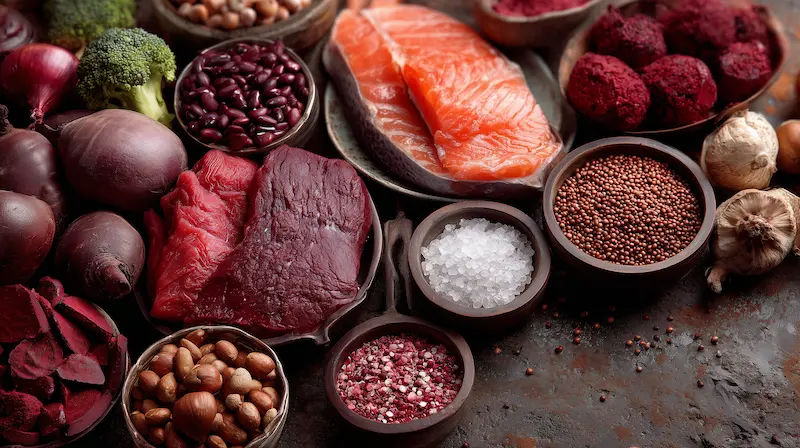
Choose heme iron (best absorbed): lean red meat, poultry, fish. Combine non-heme iron sources (lentils, beans, spinach,
fortified cereals, pumpkin seeds) with vitamin C–rich foods (citrus, bell peppers, tomatoes) to boost absorption. Limit
tea/coffee within two hours of iron-rich meals. Consider a cast-iron skillet for cooking to add a small iron boost. These are practical foods to increase hemoglobin.
Managing menstruation and medications
If you have heavy periods, track flow (pads/tampons per day, clots), discuss options (e.g., hormonal therapy, treatment for fibroids or thyroid issues) with a clinician. Use NSAIDs judiciously and with food; ask your doctor about stomach protection if you need regular pain relief.
Parasite prevention and deworming
In regions where hookworm is common, wearing footwear outdoors, sanitation, and periodic deworming (as per local public health guidance) can prevent iron loss and anemia [1].
Life stages: pregnancy and early childhood
Prenatal iron and folate supplementation lower the risk of anemia in pregnancy and support fetal development. For infants, exclusive breastfeeding for about 6 months and timely iron-rich complementary foods are recommended. If you’re pregnant or planning pregnancy, ask about anemia screening; anemia in pregnancy treatment may include oral
or IV iron when indicated.
Living Well with Anemia: Practical Tips and Myths
Energy management
Until your hemoglobin recovers, pace activities, prioritize sleep, and use interval-based exercise. Gentle strength training can help fight fatigue, but check with your clinician first if your anemia is moderate to severe.
Pica and restless legs
Craving ice or non-food items (pica) and restless legs syndrome can signal iron deficiency anemia in adults. Mention these to your clinician—they’re helpful diagnostic clues that often improve with iron repletion.
Myths vs facts
Myth: “Jaggery alone cures anemia.”
Fact: While jaggery contains small amounts of iron, it’s not enough to treat deficiency; therapeutic iron and diet
changes are usually needed. Myth: “Only women get anemia.” Fact: Men and older adults can also have anemia, often
from GI bleeding or chronic disease. Myth: “If my Hb is low, I must need a transfusion.” Fact: Most mild to moderate
anemia is managed without transfusion, which is reserved for specific situations.
If symptoms continue despite lifestyle changes, when to see a doctor for anemia is now—book an online or in-person consult with Apollo 24|7.
When Anemia Is an Emergency
Anemia can put strain on the heart and brain. Severe anemia (very low Hb), especially if it develops quickly, can trigger
chest pain, fainting, rapid breathing, and shock. Acute blood loss—from trauma, GI bleeding, or obstetric
emergencies—requires immediate medical attention. Transfusions may be lifesaving, but decisions depend on symptoms, hemoglobin level, and overall health. If you notice black stools, vomit blood, pass bright red blood, or develop severe breathlessness or chest pain, call emergency services or go to the nearest hospital.
Evidence snapshot: WHO estimates nearly one in three women of reproductive age and four in ten children 6–59 months are anemic worldwide, highlighting the urgency of prevention and timely care [1]. In chronic kidney disease, appropriate treatment of anemia improves quality of life and reduces transfusion needs [5][6].
Quick Takeaways
Anemia means too little hemoglobin to carry oxygen; fatigue and breathlessness are hallmark signs.
The most common cause is iron deficiency, but B12/folate deficiency, chronic disease, bleeding, and hemolysis are important too.
Tests like CBC, ferritin, B12/folate, and iron studies pinpoint the cause; treatment must match the diagnosis.
Diet helps: add iron-rich foods plus vitamin C; separate tea/coffee from meals to boost absorption.
In pregnancy, adolescence, and older age, screening and timely treatment prevent complications.
Severe symptoms (chest pain, fainting, black stools) are emergencies—seek care immediately.
If symptoms persist beyond two weeks, consult a doctor online with Apollo 24|7; home collection for CBC, ferritin, and
B12 is available.
Conclusion
Anemia is common—but it’s not “just being tired.” The signs of anemia reflect your body’s struggle to deliver enough oxygen, and they’re your clue to act. The causes span from straightforward nutrient gaps to hidden blood loss or chronic conditions, which is why a careful evaluation matters. The good news: most cases are treatable once the underlying cause is identified. Start by recognizing the symptoms, getting the right tests, and following a tailored plan—whether that’s iron or vitamin supplementation, treating heavy periods or GI issues, or managing chronic disease. Support recovery with simple, powerful habits: iron-rich foods paired with vitamin C, smart timing of tea/coffee, and sensible activity pacing. If you’re at higher risk—pregnant, a growing child, an endurance athlete, or living with chronic illness—regular screening can keep you ahead of problems. Don’t wait for fatigue to become overwhelming. If your symptoms persist or your hemoglobin remains low, consult a doctor online with Apollo 24|7 for personalized advice and convenient test home collection. With the right steps, you can restore energy, protect long-term health, and get back to life with confidence.