


Home Remedies For Asthma Effective Natural Relief
Discover asthma home remedies and natural breathing aids that support lung health. Evidence-based tips, safety advice, and when to seek care.

Written by Dr. M L Ezhilarasan
Reviewed by Dr. D Bhanu Prakash MBBS, AFIH, Advanced certificate in critical care medicine, Fellowship in critical care medicine
Last updated on 14th Jan, 2026
Introduction
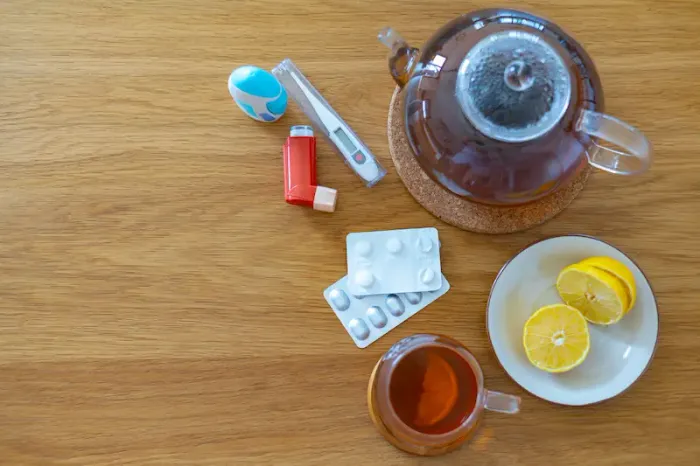
Asthma is a common, long-term condition that affects the airways and can cause coughing, wheezing, and shortness of breath. While prescribed inhalers and controller medications are the foundation of care, many people also look for safe ways to feel better at home. In this guide, you’ll find practical, evidence-informed asthma home remedies, simple natural breathing aids, and daily habits that support lung health. These tips are meant to complement, not replace, your doctor’s treatment plan.
Before You Try Any Asthma Home Remedies
It’s important to set the right expectations and keep safety first.
• Asthma medicines come first: Always use quick-relief and controller inhalers exactly as prescribed. Do not replace them with home remedies.
• Create an asthma action plan: Work with your clinician to write a plan that explains your daily medicines, how to monitor symptoms, and what to do if they worsen.
• Know your triggers: Allergens, smoke, viral infections, cold air, pollution, and exercise can all set off symptoms. Reducing exposure is a powerful “home remedy.”
• Learn correct inhaler technique: Using a spacer with metered-dose inhalers improves medication delivery. Ask your clinician or pharmacist to check your technique.
• When in doubt, seek care: If you’re struggling to breathe, don’t wait, follow your action plan and use emergency services if needed.
Quick, Simple Strategies You Can Do At Home
These options may help ease mild symptoms or support your usual care. They are not substitutes for a rescue inhaler during an attack.
Breathing Exercises (Natural Breathing Aids You Can Learn)
Pursed-Lip Breathing:
• Breathe in through your nose for 2 counts.
• Purse your lips (as if whistling) and breathe out slowly for 4 counts.
• Helps keep airways open longer and reduces breathlessness.
Diaphragmatic (Belly) Breathing:
• Place one hand on your chest and one on your belly.
• Breathe in through your nose, letting your belly rise more than your chest.
• Exhale slowly through pursed lips.
• Practice 5–10 minutes, 1–2 times daily, and during mild breathlessness. These techniques are supported by major respiratory centers as safe and can reduce the sensation of shortness of breath.
Warm Fluids And Steam Use With Care
• Warm fluids (like tea or broth) can feel soothing if you’re congested.
• Steam inhalation is not proven to open lower airways in asthma and can cause burns, especially in children. If you use a warm shower for comfort, keep it brief and avoid very hot steam.
• Maintain indoor humidity around 30–50% to discourage dust mites and mold.
Caffeine: Temporary, Mild Effect
• Caffeine is chemically related to some older asthma medicines and, in small amounts, may mildly relax airways for a few hours.
• It is NOT a treatment for asthma attacks, can disrupt sleep, and isn’t recommended for children. Do not rely on it instead of prescribed medication.Consult a Top General Physician
Daily Habits That Support Lung Health
Small changes at home go a long way in preventing symptoms and flares.
Control Common Triggers At Home
Dust Mites:
• Use zippered, allergen-proof covers on pillows and mattresses.
• Wash bedding weekly in hot water (at least 130°F / 54°C).
• Reduce clutter and dust with a damp cloth; vacuum with a HEPA-filter vacuum.
Pets:
• Keep pets out of the bedroom and off soft furniture.
• Bathe and brush pets regularly; consider HEPA air filtration.
Mold:
• Keep humidity 30–50%; use exhaust fans in bathrooms/kitchens.
• Fix leaks promptly; clean visible mold safely or seek professional help.
Cockroaches:
• Store food tightly; clean crumbs; use traps or professional pest control if needed.
Smoke And Strong Fumes:
• Avoid tobacco and vaping entirely; ask others not to smoke in your home or car.
• Choose fragrance-free cleaners; avoid incense and candles.
Outdoor Air And Pollen:
• Check your local air quality and pollen forecast.
• On high-pollen or high-pollution days, keep windows closed and run HVAC with a clean, high-efficiency filter (e.g., MERV 13 if your system allows).
• Use a well-fitted mask or scarf in cold, dry air.
Air Cleaners And Filters
• A portable HEPA air purifier can reduce airborne allergens in a bedroom or main living area.
• Place it where you spend the most time; run it continuously in a quiet setting.
• Replace filters as directed by the manufacturer.
Exercise, Move Smart, Breathe Easier
Regular physical activity improves stamina and quality of life.
Tips:
• Warm up for 10–15 minutes.
• Choose asthma-friendly activities like walking, swimming, or cycling at a comfortable pace.
• If prescribed, use your pre-exercise inhaler as directed.
• Avoid outdoor workouts when air quality or pollen counts are poor.
Weight, Reflux, And Sleep
• Healthy weight: If you live with being overweight or obese, gradual weight loss can improve asthma control and reduce symptoms.
• Reflux (GERD): Heartburn can worsen asthma for some people. Managing reflux, elevating the head of the bed, smaller meals, avoiding late-night eating, and medications if needed, may help.
• Sleep: Address snoring or suspected sleep apnea with your clinician; treating sleep issues can improve daytime asthma symptoms.
Vaccines And Infection Prevention
• Viral respiratory infections are common asthma triggers. Stay current with recommended vaccines (such as influenza each year, COVID-19, and pneumococcal vaccines as indicated for your age and risk).
• Practice hand hygiene and avoid close contact with people who are ill when possible.
Complementary Options: What May Help, What To Avoid?
These options can be part of a well-rounded plan but are not stand-alone treatments.
Saline Nasal Rinses For Allergy-Related Symptoms
• If allergic rhinitis worsens your asthma, daily saline nasal irrigation (with sterile or distilled water and a clean device) may ease nasal symptoms and reduce postnasal drip.
Vitamin D, Helpful If You’re Low
• Low vitamin D levels are common and have been linked to worse asthma outcomes.
• Supplementation may reduce exacerbations in people who are deficient. Ask your clinician about testing and a safe dose; do not megadose.
Omega-3s And A Heart-Healthy Plate
• Evidence for omega-3 supplements in asthma is mixed. However, eating fish (like salmon, sardines) and a plant-forward, minimally processed diet supports overall health and may benefit inflammation.
• Stay hydrated and eat plenty of fruits, vegetables, whole grains, legumes, nuts, and seeds.
Mind-Body Practices
• Yoga, tai chi, and guided breathing can improve flexibility, stress, and perceived breathlessness for some people. Choose gentle, low-trigger environments (avoid incense or strong fragrances).
Be Cautious With “Natural” Products
• Essential oil diffusers, candles, and strong scents can trigger symptoms, avoid them if they bother you.
• Herbal stimulants (like ephedra/ma huang) and unregulated supplements can be unsafe or interact with medications.
• Ozone-generating air cleaners are not recommended for home use; ozone can irritate airways.
Building Your Personal Asthma Action Plan
A written plan helps you stay in control daily and during flares.
Know Your Zones:
• Green (doing well): No or minimal symptoms; using daily controller as prescribed.
• Yellow (worsening): Cough, wheeze, chest tightness, waking at night; follow your plan’s steps for quick-relief medicines and trigger reduction.
• Red (medical alert): Severe symptoms or relief not lasting, use rescue medicine and seek urgent care.
Peak Flow Monitoring:
• If advised by your clinician, track your personal best and check peak flow to spot early drops.
Medication Adherence:
• Take controller medicines daily, even when you feel well.
• Refill inhalers on time; bring them to appointments.
Technique Check:
• Have your clinician or pharmacist watch you use your inhaler/spacer at least once a year to optimize delivery.
When To Seek Emergency Help?
Call emergency services or go to urgent care immediately if you have any of the following:
• Severe shortness of breath or rapid worsening of symptoms
• Trouble speaking more than a few words at a time
• Blue or gray lips or fingernails
• Ribs visibly pulling in with breaths, or chest/neck muscles straining
• No improvement after using your rescue inhaler as directed (or relief lasts less than 2–3 hours)
• Peak flow is less than 50% of your personal best
Putting It All Together
Asthma control hinges on using your prescribed medicines, avoiding triggers, and practicing simple, supportive habits at home. Breathing exercises, trigger control, smart physical activity, and targeted steps like nasal saline or vitamin D (if deficient) can help you feel better day to day. Think of these asthma home remedies and natural breathing aids as tools that support, not replace, your medical care. With a personalized plan, you can protect lung health and live actively.Consult a Top General Physician
Consult a Top General Physician

Dr. B Sivananda Reddy
General Physician
12 Years • D M ( OSMANIA MEDICAL COLLEGE, KNRUHS ) MD ( KASTURBA MEDICAL COLLEGE , MAHE) MBBS ( PESIMS&R, NTRUHS).
Hyderguda
Apollo Hospitals Hyderguda, Hyderguda

Dr. Santa Subhra Chatterjee
General Physician/ Internal Medicine Specialist
26 Years • M.B.B.S., M.D. (Internal Medicine), MRCP (UK)
Kolkata
Apollo Hospitals, Narendrapur, Kolkata, Kolkata

Dr. M. Krishna Bharath Reddy
General Physician/ Internal Medicine Specialist
10 Years • MD General Medicine, MRCP (London) and DM( Critical Care)
Chennai
Apollo One Chennai, Chennai

Dr Chandrasekhar Jenjeti
General Physician/ Internal Medicine Specialist
11 Years • MD
Chinagadila
Apollo Hospitals Health City Unit, Chinagadila

Dr. Hari Krishna
General Physician/ Internal Medicine Specialist
13 Years • MD (Gen. Med. )
Chennai
Apollo Hospitals Greams Road, Chennai

(50+ Patients)
Consult a Top General Physician
Dr. B Sivananda Reddy
General Physician
12 Years • D M ( OSMANIA MEDICAL COLLEGE, KNRUHS ) MD ( KASTURBA MEDICAL COLLEGE , MAHE) MBBS ( PESIMS&R, NTRUHS).
Hyderguda
Apollo Hospitals Hyderguda, Hyderguda
Dr. Santa Subhra Chatterjee
General Physician/ Internal Medicine Specialist
26 Years • M.B.B.S., M.D. (Internal Medicine), MRCP (UK)
Kolkata
Apollo Hospitals, Narendrapur, Kolkata, Kolkata
Dr. M. Krishna Bharath Reddy
General Physician/ Internal Medicine Specialist
10 Years • MD General Medicine, MRCP (London) and DM( Critical Care)
Chennai
Apollo One Chennai, Chennai
Dr Chandrasekhar Jenjeti
General Physician/ Internal Medicine Specialist
11 Years • MD
Chinagadila
Apollo Hospitals Health City Unit, Chinagadila
Dr. Hari Krishna
General Physician/ Internal Medicine Specialist
13 Years • MD (Gen. Med. )
Chennai
Apollo Hospitals Greams Road, Chennai
(50+ Patients)
More articles from Asthma
Frequently Asked Questions
1. Can home remedies stop an asthma attack?
No. Only your prescribed quick-relief medicine (such as a short-acting bronchodilator) can quickly open narrowed airways during an attack. Home strategies are supportive, not a substitute for inhalers or emergency care.
2. Are steam inhalations good for asthma?
Steam may feel soothing for nasal congestion, but it does not reliably open lower airways and can cause burns, especially in children. Keep indoor humidity 30–50% and use prescribed medicines for asthma symptoms.
3. Do breathing exercises really help?
Techniques like pursed-lip and diaphragmatic breathing can reduce the sensation of breathlessness and improve control alongside your regular treatment. Practice them regularly and during mild symptoms.
4. Which vitamins or supplements help asthma?
Vitamin D may help reduce exacerbations in people who are deficient. Evidence for other supplements (like omega-3 capsules or herbs) is mixed or insufficient. Talk to your clinician before starting any supplement.
5. Is caffeine a safe alternative to my rescue inhaler?
No. Caffeine may have a mild, short-lived effect on airways but it is not a treatment for asthma symptoms or attacks. Always carry and use your prescribed rescue inhaler as directed.