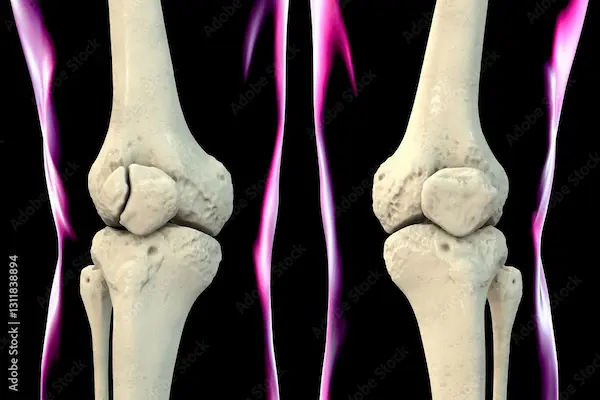
Bone Fractures: Types, Symptoms and Treatment
Learn about bone fractures, their types, symptoms, causes, and treatment options. Find expert tips for recovery, rehabilitation, and prevention of future injuries.

Written by Dr. Siri Nallapu
Reviewed by Dr. Rohinipriyanka Pondugula MBBS
Last updated on 17th Mar, 2026

A bone fracture is a common injury that occurs when a bone cracks or breaks due to excessive force, trauma, or weakened bones. While fractures can be painful and temporarily disabling, most heal well with proper treatment. Understanding the types, symptoms, and treatment options can help you recover faster and prevent complications.
What Are the Different Types of Bone Fractures?
Fractures can vary depending on how the bone breaks. Here are some common types:
1. Closed Fracture (Simple Fracture) – The bone breaks but does not pierce the skin.
2. Open Fracture (Compound Fracture) – The broken bone protrudes through the skin, increasing infection risk.
3. Hairline Fracture (Stress Fracture) – A tiny crack in the bone, often due to repetitive stress.
4. Greenstick Fracture – Common in children, where the bone bends and cracks but doesn’t break completely.
5. Comminuted Fracture – The bone shatters into multiple pieces.
6. Transverse Fracture – A straight break across the bone.
7. Oblique Fracture – A diagonal break in the bone.
8. Spiral Fracture – A twisting break, often due to sports injuries.
What Are the Symptoms of a Bone Fracture?
If you’ve had an injury or fall, watch for these signs of a fracture:
Severe pain that worsens with movement
Swelling and bruising around the injured area
Deformity (the limb or joint looks out of place)
Difficulty moving the affected limb
Grating sensation (if bone fragments rub together)
Numbness or tingling (if nerves are affected)
In stress fractures, pain may develop gradually and worsen over time.
What Causes Bone Fractures?
Fractures usually happen due to:
Trauma (falls, car accidents, sports injuries)
Osteoporosis (weak bones that break easily)
Overuse (repetitive motions causing stress fractures)
Medical conditions (bone cancer, infections)
How Are Bone Fractures Diagnosed?
Doctors use:
Physical examination (checking for tenderness, swelling, deformity)
X-rays (to confirm the break and its type)
MRI or CT scans (for complex fractures or soft tissue damage)
If you suspect a fracture, avoid moving the injured area and seek medical help immediately.
How Are Bone Fractures Treated?
Treatment depends on the fracture type and severity. Common approaches include:
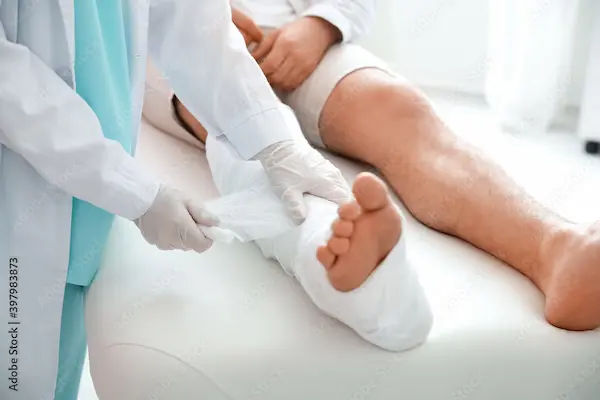
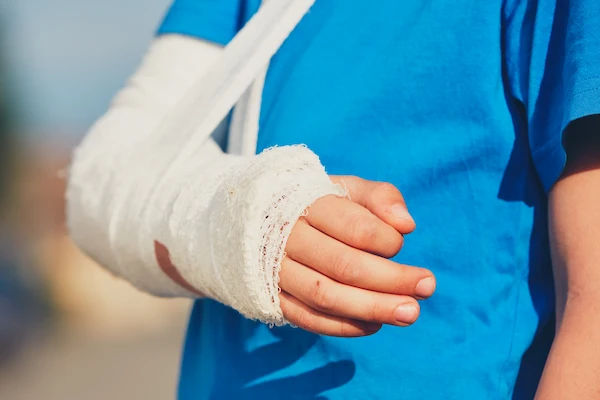
1. Immobilization (Casting/Splinting) – Keeps the bone in place while it heals.
2. Closed Reduction – The doctor realigns the bone without surgery.
3. Open Reduction & Internal Fixation (Surgery) – Metal rods, screws, or plates hold the bone together.
4. Traction – Gently stretches muscles and bones to align them properly.
5. Pain Management – Medications and ice packs help reduce pain and swelling.
Recovery and Rehabilitation
Healing time varies; some fractures take weeks, while severe ones may take months. To speed up recovery:
Follow your doctor’s advice on movement restrictions.
Eat a nutritious diet rich in calcium, vitamin D, and protein.
Physical therapy helps restore strength and flexibility.
Avoid smoking and alcohol, as they slow healing.
Can Fractures Be Prevented?
While accidents happen, you can reduce fracture risks by:
Strengthening bones with weight-bearing exercises (walking, yoga).
Eating calcium-rich foods (milk, cheese, leafy greens).
Using safety gear (helmets, knee pads) during sports.
Preventing falls by keeping floors clutter-free and using handrails.
When to See a Doctor?
Seek immediate medical help if:
You hear a cracking sound during an injury.
The limb looks deformed or cannot bear weight.
There’s severe pain, swelling, or numbness.
If you suspect a fracture, don’t delay treatment. At Apollo24|7, you can book a consultation with an orthopedic specialist or schedule an X-ray for a quick diagnosis. Early treatment ensures better healing and prevents complications.
Final Thoughts
Bone fractures can be painful, but with proper care, most people recover fully. If you or a loved one experiences a fracture, stay calm, immobilize the area, and seek medical help. Follow your doctor’s advice, eat well, and stay active (once healed) to keep your bones strong.
For expert guidance, connect with an orthopedic specialist today on Apollo24|7—your partner in bone health and recovery!
Consult an Orthopedist for the best advice
Consult an Orthopedist for the best advice

Dr. Anil Pradeep Jadhav
Orthopaedician
23 Years • MBBS MS (Ortho)
Nashik
Apollo Hospitals Nashik, Nashik

(25+ Patients)

Prof. Dr. Jambu N
Orthopaedician
23 Years • MBBS, M.S Ortho, FRCS ,FACS
Chennai
Apollo Speciality Hospitals Vanagaram, Chennai
(150+ Patients)

Dr. Susheel B
Orthopaedician
13 Years • MBBS, MS, Ortho Fellowship in Trauma ( Germany) Fellowship in Arthroscopy and Arthroplasty ( Switzerland)
Bengaluru
Apollo Medical Center, Marathahalli, Bengaluru

Dr. Sundar Kumar B
Orthopaedician
23 Years • MBBS, MS ORTHO, FTRS(GERMANY)
Chennai
Apollo Clinic, Velachery, Chennai

Dr. Sundar Ganesh G
Orthopaedician
19 Years • MBBS, D-Ortho, MS (Ortho), DNB (Ortho)
Chennai
Apollo First Med Hospitals P H Road, Chennai
.webp)