



Cataract Surgery Complication Rate
Understand the complication rates of cataract surgery, including common risks, factors that influence complications, and how modern techniques help minimise potential problems for a safe procedure.

Written by Dr. J T Hema Pratima
Reviewed by Dr. Dhankecha Mayank Dineshbhai MBBS
Last updated on 27th Feb, 2026

Introduction
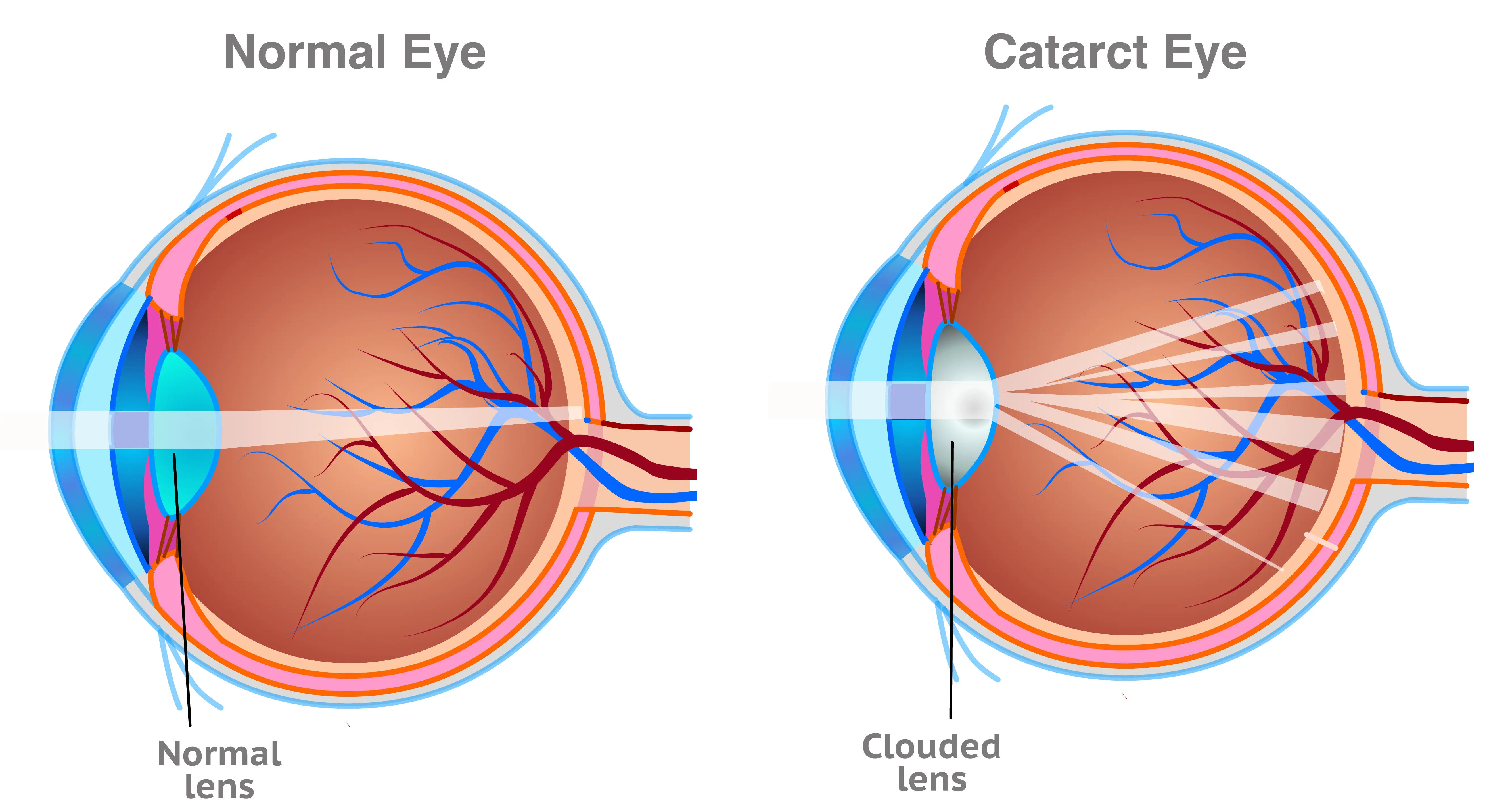
Cataract surgery is one of the most common and successful eye surgeries performed worldwide. It helps restore clear vision by removing the clouded lens (cataract) and replacing it with an artificial one. While the procedure is generally safe, like any surgery, it carries some risks. Understanding the complication rates and what they mean can help patients make informed decisions and feel more confident about the process.
What Are the Common Complications of Cataract Surgery?
Most cataract surgeries go smoothly, but in rare cases, complications can occur. Some of the possible complications include:
1. Posterior Capsule Opacification (PCO): Sometimes called a "secondary cataract," this occurs when the back part of the lens capsule becomes cloudy after surgery. It can be easily treated with a quick laser procedure.
2. Swelling or Inflammation: Mild swelling or redness is common but usually resolves with prescribed eye drops.
3. Infection (Endophthalmitis): A rare but serious infection inside the eye that requires immediate treatment.
4. Retinal Detachment: A very rare condition where the retina pulls away from the back of the eye, leading to vision loss if not treated promptly.
5. Dislocated Intraocular Lens (IOL): The artificial lens may shift out of place, requiring repositioning or replacement.
6. Increased Eye Pressure (Glaucoma): Temporary or, rarely, long-term pressure increase in the eye.
7. Vision Changes (Refractive Errors): Some patients may still need glasses for optimal vision after surgery.
How Common Are These Complications?
The good news is that cataract surgery has a high success rate, with complications occurring in only a small percentage of cases:
Posterior Capsule Opacification (PCO): Affects about 20% of patients but is easily treatable.
Infection (Endophthalmitis): Occurs in less than 0.1% of cases.
Retinal Detachment: Risk is less than 1%, higher in people with severe nearsightedness.
Lens Dislocation: Happens in about 1-2% of cases, often years after surgery.
Swelling or Inflammation: Mild cases are common but manageable with medication.
Most complications are minor and can be treated effectively if detected early.
To Know More Consult Top Ophthalmologists
How to Minimise Risks Before and After Surgery?
While complications are rare, you can take steps to reduce risks:
Before Surgery:
Choose an Experienced Surgeon: A skilled ophthalmologist with a good track record lowers complication risks.
Discuss Your Medical History: Inform your doctor about any eye conditions, diabetes, or medications you take.
Follow Pre-Surgery Instructions: Use prescribed eye drops and avoid eating/drinking if instructed.
After Surgery:
Use Medications as Directed: Antibiotic and anti-inflammatory eye drops prevent infection and swelling.
Avoid Rubbing Your Eye: This can dislodge the lens or introduce bacteria.
Protect Your Eyes: Wear sunglasses and avoid dusty or dirty environments.
Attend Follow-Up Appointments: Regular check-ups help detect any issues early.
When to Seek Immediate Medical Help?
Contact your eye doctor right away if you experience:
Severe pain that doesn’t improve with medication
Sudden vision loss or increasing blurriness
Flashes of light or new floaters in your vision
Extreme redness or swelling
Should You Be Worried About Cataract Surgery?
No! The vast majority of cataract surgeries are successful, with patients experiencing significantly improved vision. While complications exist, they are rare and often treatable. The benefits of restored vision far outweigh the minimal risks for most people.
If you're considering cataract surgery or have concerns about complications, consult an experienced ophthalmologist. You can book a consultation or schedule an eye test through Apollo 24|7 for expert guidance and care.
Consult Top Ophthalmologists
To Know More Consult Top Ophthalmologists

Dr. Padmini S
Ophthalmologist
4 Years • MBBS,MS
Bengaluru
Apollo Medical Center, Marathahalli, Bengaluru

Dr. K Sreekumar Reddy
Ophthalmologist
26 Years • MBBS MD (Ophthalmology) EGESTOLP
Hyderabad
Apollo Hospitals Jubilee Hills, Hyderabad

(50+ Patients)
Dr Apurva Thombre
Ophthalmologist
10 Years • MBBS MS DNB Opthalmology
Pune
Apollo Clinic, Nigdi, Pune

Dr Kanse Vaibhav
Ophthalmologist
10 Years • MBBS, DO, MS, DNB
Pune
Apollo Clinic, Nigdi, Pune

Dr. Sridhar Annam
Ophthalmologist
15 Years • MBBS, DO, MS (Opthal)
Hyderabad
Apollo Hospitals Jubilee Hills, Hyderabad
(50+ Patients)
Consult Top Ophthalmologists
Dr. Padmini S
Ophthalmologist
4 Years • MBBS,MS
Bengaluru
Apollo Medical Center, Marathahalli, Bengaluru
Dr. K Sreekumar Reddy
Ophthalmologist
26 Years • MBBS MD (Ophthalmology) EGESTOLP
Hyderabad
Apollo Hospitals Jubilee Hills, Hyderabad
(50+ Patients)
Dr Apurva Thombre
Ophthalmologist
10 Years • MBBS MS DNB Opthalmology
Pune
Apollo Clinic, Nigdi, Pune
Dr Kanse Vaibhav
Ophthalmologist
10 Years • MBBS, DO, MS, DNB
Pune
Apollo Clinic, Nigdi, Pune
Dr. Sridhar Annam
Ophthalmologist
15 Years • MBBS, DO, MS (Opthal)
Hyderabad
Apollo Hospitals Jubilee Hills, Hyderabad
(50+ Patients)



.webp)