How Long Do Artificial Lenses Last After Cataract Surgery?
Curious about the lifespan of artificial lenses after cataract surgery? Discover how long intraocular lenses (IOLs) last and what to expect long-term.

Written by Dr. Dhankecha Mayank Dineshbhai
Reviewed by Dr. Siri Nallapu MBBS
Last updated on 13th Jan, 2026
Introduction
If you or a loved one has undergone cataract surgery, you might be wondering how long the artificial lens (also called an intraocular lens or IOL) will last. The good news is that these lenses are designed to be a permanent solution, but there are a few things to keep in mind. Let’s break it down in simple terms.
Understanding Cataract Surgery and Artificial Lenses
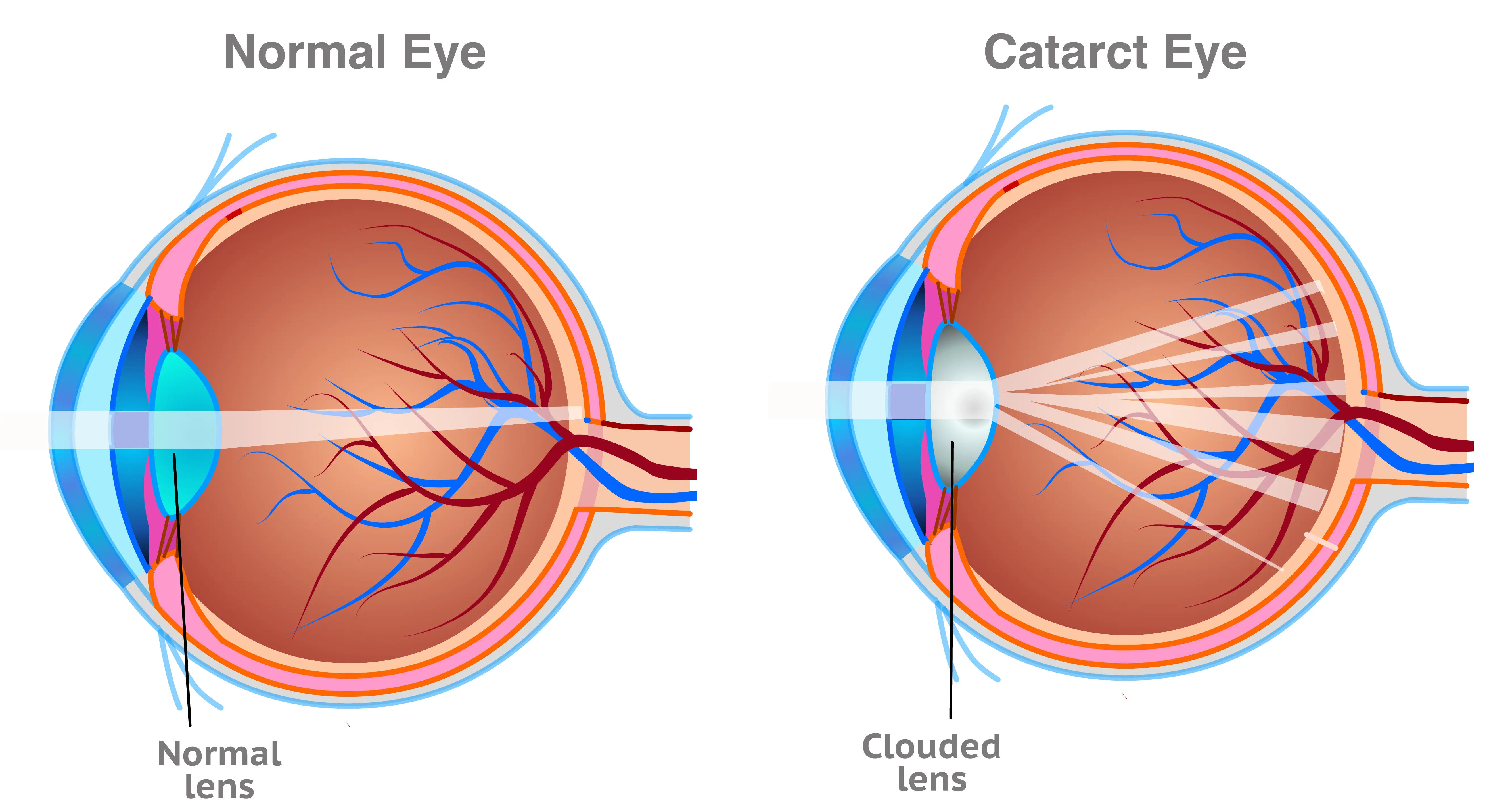
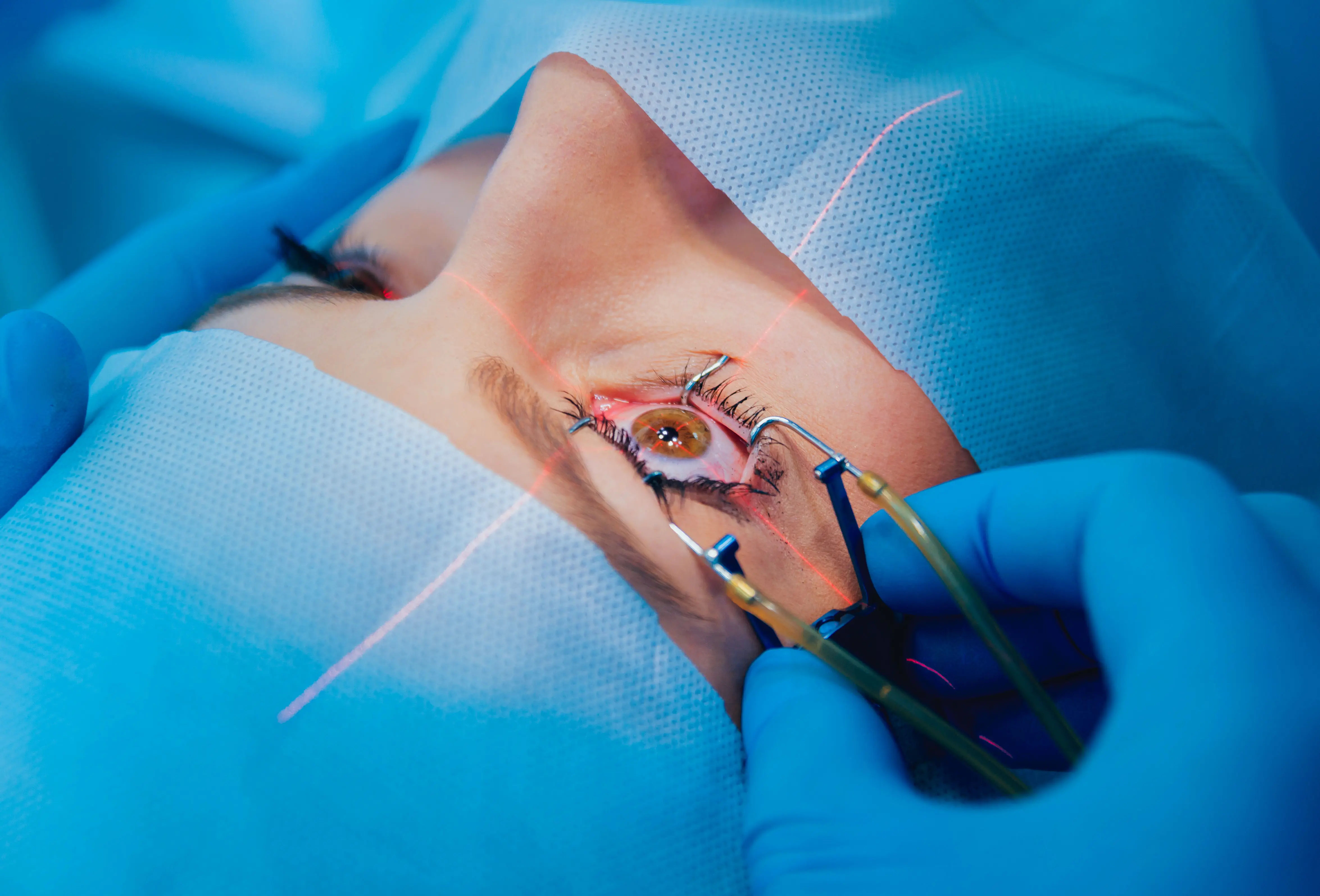
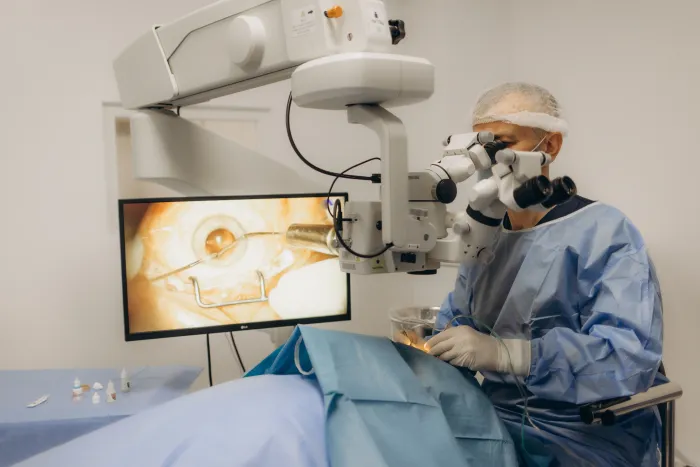
Cataract surgery involves removing the cloudy natural lens of the eye and replacing it with a clear artificial lens. This artificial lens helps restore clear vision, reducing dependence on glasses for many people.
Types of Artificial Lenses
There are different types of IOLs, including:
Monofocal lenses: Provide clear vision at one distance (near, intermediate, or far).
Multifocal lenses: Allow clear vision at multiple distances, reducing the need for glasses.
Toric lenses: Correct astigmatism along with cataracts.
How Long Do Artificial Lenses Last?
The short answer: Artificial lenses are designed to last a lifetime. Unlike natural lenses, which can develop cataracts again, IOLs do not degrade or get cloudy over time.
However, in rare cases, a person may experience complications that affect the lens, such as:
Posterior Capsule Opacification (PCO): A thin membrane behind the lens can become cloudy, causing blurry vision (often called "secondary cataract"). This is easily treated with a quick laser procedure.
Lens Dislocation: The artificial lens may shift out of place, requiring repositioning or replacement (very rare).
To Know More Consult Top Ophthalmologists
Signs That Something Might Be Wrong
While IOLs are durable, it’s important to watch for any unusual symptoms, such as:
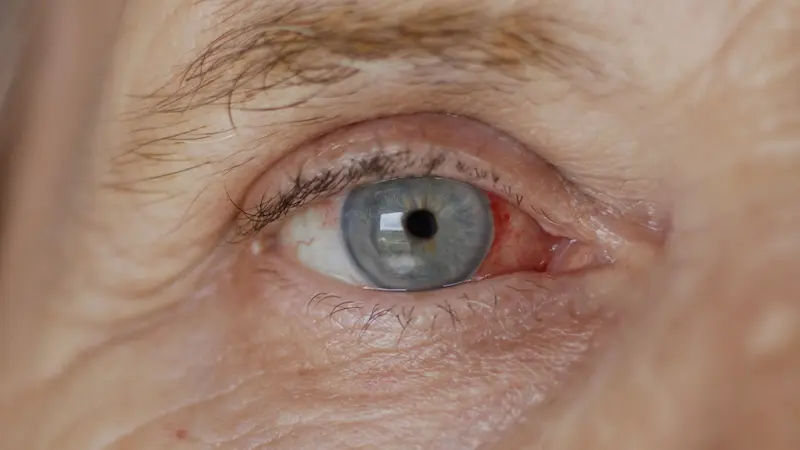
Sudden blurry or distorted vision
Seeing flashes of light or floaters
Pain or redness in the eye
Double vision
If you experience any of these, consult your eye doctor immediately.
Tips for Maintaining Good Eye Health After Cataract Surgery
To keep your vision clear and protect your artificial lens, follow these simple steps:
1. Attend Follow-Up Appointments: Regular check-ups help detect any issues early.
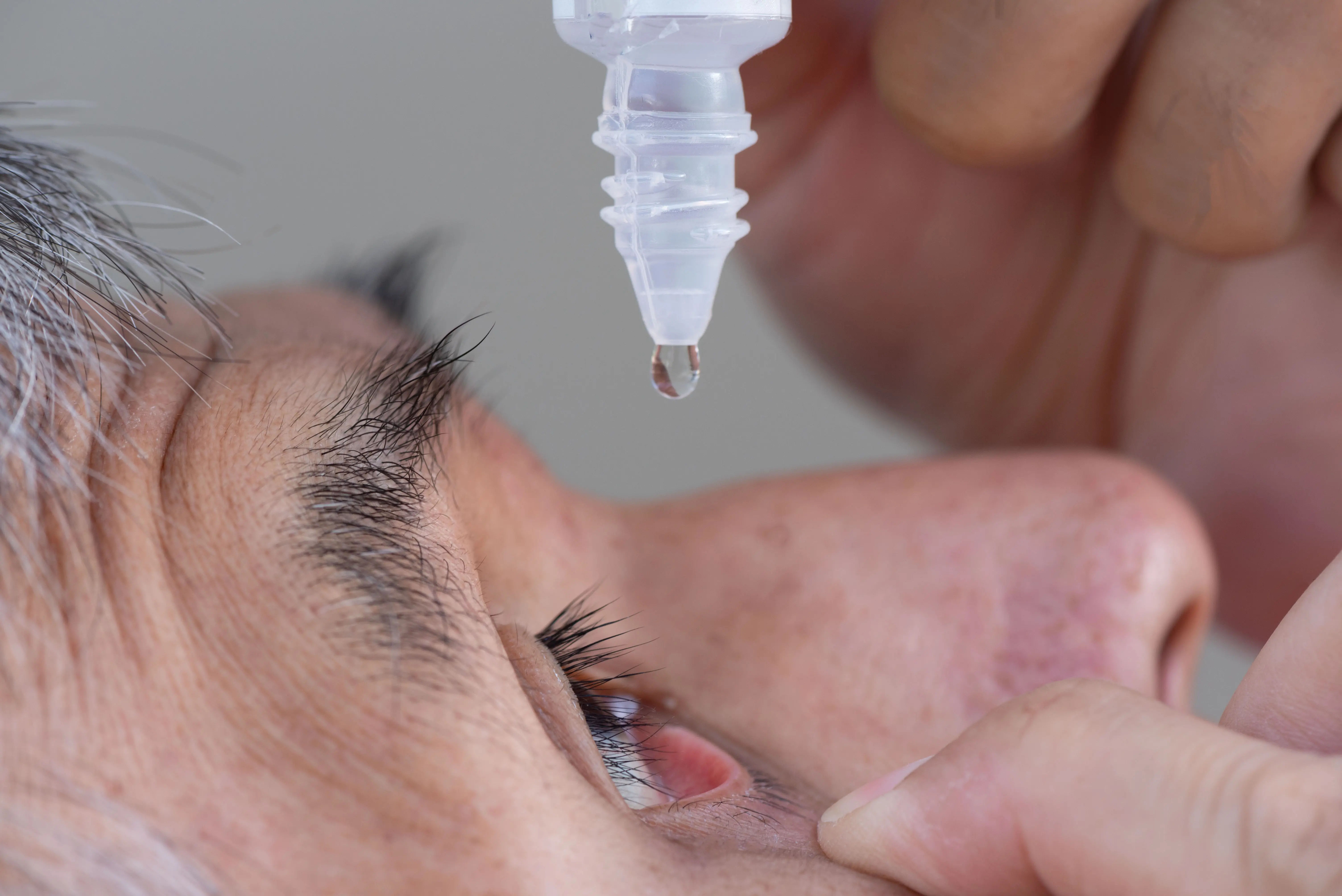
2. Use Prescribed Eye Drops: These prevent infection and reduce inflammation.
3. Protect Your Eyes from Injury: Wear sunglasses with UV protection and avoid rubbing your eyes.
4. Maintain a Healthy Lifestyle: A diet rich in vitamins (especially A, C, and E) supports eye health.
5. Monitor Blood Sugar & Blood Pressure: Conditions like diabetes and hypertension can affect eye health.
When to Consider a Consultation?
If you notice any vision changes or discomfort after cataract surgery, it’s best to get it checked. At Apollo 24|7, you can easily book an eye consultation or schedule a follow-up test to ensure your artificial lens is functioning well.
Conclusion
Artificial lenses are a long-term solution for cataract patients, and most people enjoy clear vision for the rest of their lives. While complications are rare, staying aware of changes in your vision and maintaining good eye care habits will help keep your eyes healthy.
If you have any concerns about your cataract surgery or artificial lens, don’t hesitate to reach out to an eye specialist. Your vision is precious—take good care of it!
Consult Top Ophthalmologists
To Know More Consult Top Ophthalmologists

Dr Deepti Govila
Ophthalmologist
26 Years • MBBS, MS Ophthalmology
Delhi
Apollo Hospitals Indraprastha, Delhi

Dr. Sunanda Nandi
Ophthalmologist
7 Years • MBBS, MS (Ophthalmology)
Silchar
Apollo Clinic Silchar, Silchar

Dr. Padmini S
Ophthalmologist
4 Years • MBBS,MS
Bengaluru
Apollo Medical Center, Marathahalli, Bengaluru

Dr. M S Veena Priyadarshini
Ophthalmologist
26 Years • MBBS, MS (Opthal)
Bengaluru
Apollo Clinic, Indiranagar, Bengaluru

Dr. Mridula V Amarnath
Ophthalmologist
12 Years • MBBS,MS (Opthalomology)
Bengaluru
Apollo Medical Center, Marathahalli, Bengaluru
Consult Top Ophthalmologists
Dr Deepti Govila
Ophthalmologist
26 Years • MBBS, MS Ophthalmology
Delhi
Apollo Hospitals Indraprastha, Delhi
Dr. Sunanda Nandi
Ophthalmologist
7 Years • MBBS, MS (Ophthalmology)
Silchar
Apollo Clinic Silchar, Silchar
Dr. Padmini S
Ophthalmologist
4 Years • MBBS,MS
Bengaluru
Apollo Medical Center, Marathahalli, Bengaluru
Dr. M S Veena Priyadarshini
Ophthalmologist
26 Years • MBBS, MS (Opthal)
Bengaluru
Apollo Clinic, Indiranagar, Bengaluru
Dr. Mridula V Amarnath
Ophthalmologist
12 Years • MBBS,MS (Opthalomology)
Bengaluru
Apollo Medical Center, Marathahalli, Bengaluru