Is Your Face Covered During Cataract Surgery?
Wondering if your face is covered during cataract surgery? Learn how surgeons ensure comfort, safety, and a sterile environment while keeping you at ease during the procedure.

Written by Dr. Dhankecha Mayank Dineshbhai
Reviewed by Dr. D Bhanu Prakash MBBS, AFIH, Advanced certificate in critical care medicine, Fellowship in critical care medicine
Last updated on 13th Jan, 2026
Introduction
If you or a loved one is preparing for cataract surgery, you might have questions about what happens during the procedure, especially whether your face is covered. It’s completely normal to feel a little anxious, but understanding the process can help ease your concerns. Let’s break it down in simple terms.
What Happens During Cataract Surgery?
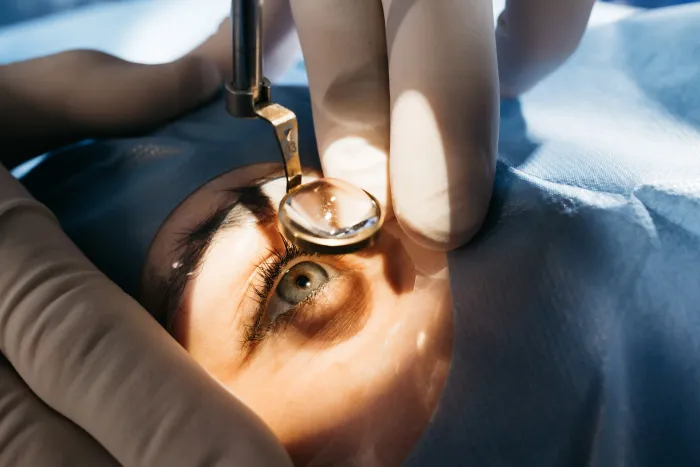
Cataract surgery is a common and safe procedure to remove the cloudy lens (cataract) from your eye and replace it with a clear artificial lens. The surgery usually takes about 15-30 minutes and is performed under local anaesthesia, meaning you’ll be awake but won’t feel any pain.
Is Your Face Covered?
Yes, but not entirely. Here’s what typically happens:
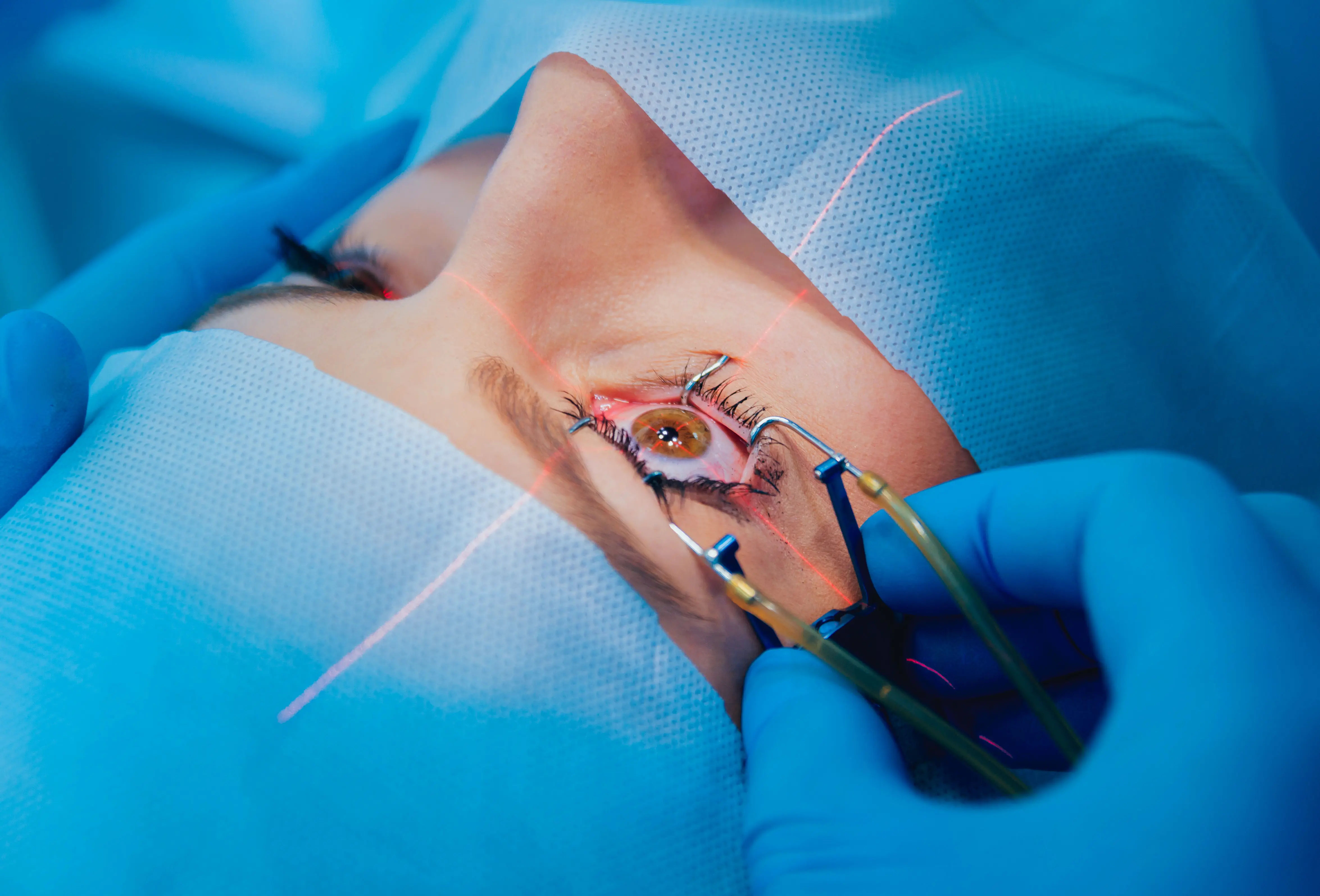
1. Sterile Drape – A clean, sterile drape (a thin sheet) is placed over your face to maintain a germ-free environment. However, it has an opening for the eye being operated on, so your nose and mouth remain uncovered, allowing you to breathe comfortably.
2. Eye Shield – The surgeon may use a small device to keep your eyelids gently open so you don’t blink during the procedure.
3. Oxygen Supply (if needed) – Sometimes, a small tube may be placed near your nose to provide extra oxygen, ensuring you stay comfortable.
You won’t feel suffocated or restricted—the medical team ensures you can breathe easily throughout the surgery.
Why Is a Drape Used?
The sterile drape serves two important purposes:
1. Prevents Infection – Keeping the surgical area clean reduces the risk of germs entering your eye.
2. Maintains Sterility – The drape helps create a controlled environment for the surgeon to work safely.
Consult Top Specialists for Personalised Eye Health Advice
What Can You Expect During the Surgery?
Here’s what typically happens during cataract surgery:
You’ll lie comfortably on a surgical bed.
The surgeon will numb your eye with drops or a mild injection.
You may see bright lights or blurred movements, but you won’t feel pain.
The cloudy lens is gently broken up and removed, then replaced with a new artificial lens.
The procedure is quick, and you’ll be monitored closely.
After the Surgery
Once the surgery is done, you’ll rest for a short while before going home. You may experience:
Slight discomfort, watery eyes, or a gritty sensation
Blurry vision for the first few days
Sensitivity to light, which improves gradually
Your doctor will prescribe eye drops to prevent infection and reduce inflammation.
Tips for a Smooth Recovery
Recovering well after cataract surgery involves a few simple precautions and healthy habits.
1. Follow Doctor’s Instructions – Use prescribed eye drops as directed.
2. Avoid Strain – Don’t bend over, lift heavy objects, or swim for a few weeks.
3. Wear an Eye Shield – Especially while sleeping, to protect your eye.
4. Attend Follow-ups – Regular check-ups ensure proper healing.
When to Seek Help
Although complications are rare, contact your doctor if you notice:
Severe pain or redness.
Sudden vision loss.
Flashes of light or floating spots.
Final Thoughts
Cataract surgery is a routine and highly successful procedure. While your face is partially covered with a sterile drape, you’ll remain comfortable and able to breathe normally. The medical team ensures your safety and comfort at every step.
If you’re considering cataract surgery or have concerns, Apollo 24|7 offers expert consultations and seamless scheduling for tests and procedures. Don’t let cataracts blur your vision—take the first step toward clearer sight today!
Consult Top Eye Specialists
Consult Top Specialists for Personalised Eye Health Advice

Dr. Padmini S
Ophthalmologist
4 Years • MBBS,MS
Bengaluru
Apollo Medical Center, Marathahalli, Bengaluru

Dr. Mridula V Amarnath
Ophthalmologist
12 Years • MBBS,MS (Opthalomology)
Bengaluru
Apollo Medical Center, Marathahalli, Bengaluru

Dr Taran Wanage
Ophthalmologist
20 Years • M.S ophthal ,D.O.M.S Glaucoma Fellowship
Mumbai
Apollo Hospitals CBD Belapur, Mumbai

(25+ Patients)

Dr. Sujit Pahari
Ophthalmologist
22 Years • MBBS, DNB, DOMS Ophthalmologist/ Eye Surgeon. FIC (Ophthal).
Bilaspur
Apollo Hospitals Seepat Road, Bilaspur
(25+ Patients)

Dr. Devendra Phalak
Ophthalmologist
8 Years •
Mumbai
Apollo Hospitals CBD Belapur, Mumbai
Consult Top Eye Specialists
Dr. Padmini S
Ophthalmologist
4 Years • MBBS,MS
Bengaluru
Apollo Medical Center, Marathahalli, Bengaluru
Dr. Mridula V Amarnath
Ophthalmologist
12 Years • MBBS,MS (Opthalomology)
Bengaluru
Apollo Medical Center, Marathahalli, Bengaluru
Dr Taran Wanage
Ophthalmologist
20 Years • M.S ophthal ,D.O.M.S Glaucoma Fellowship
Mumbai
Apollo Hospitals CBD Belapur, Mumbai
(25+ Patients)
Dr. Sujit Pahari
Ophthalmologist
22 Years • MBBS, DNB, DOMS Ophthalmologist/ Eye Surgeon. FIC (Ophthal).
Bilaspur
Apollo Hospitals Seepat Road, Bilaspur
(25+ Patients)
Dr. Devendra Phalak
Ophthalmologist
8 Years •
Mumbai
Apollo Hospitals CBD Belapur, Mumbai