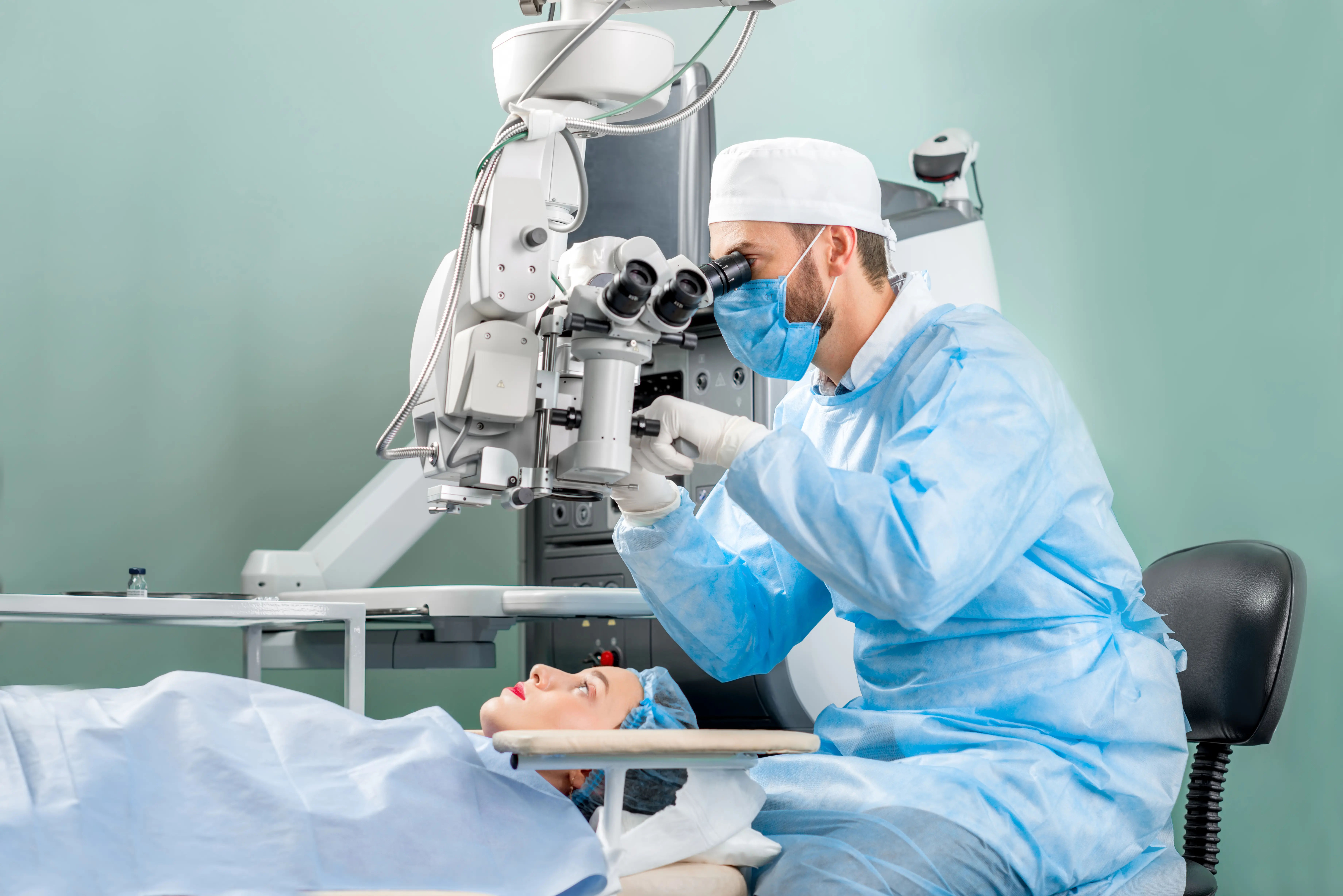
Pre and Post-Operative Care Of Cataract Surgery
Understand the essential pre and post-operative care of cataract surgery to ensure a smooth recovery and optimal vision results. Learn expert tips for healing, eye protection, and follow-up care.

Written by Dr. Rohinipriyanka Pondugula
Reviewed by Dr. Siri Nallapu MBBS
Last updated on 13th Jan, 2026
Introduction
Cataract surgery is a common and safe procedure that helps restore clear vision by removing the cloudy lens (cataract) and replacing it with an artificial one. Whether you or a loved one are preparing for this surgery, understanding the pre-operative and post-operative care can make the process smoother and recovery faster.
What is Cataract Surgery?
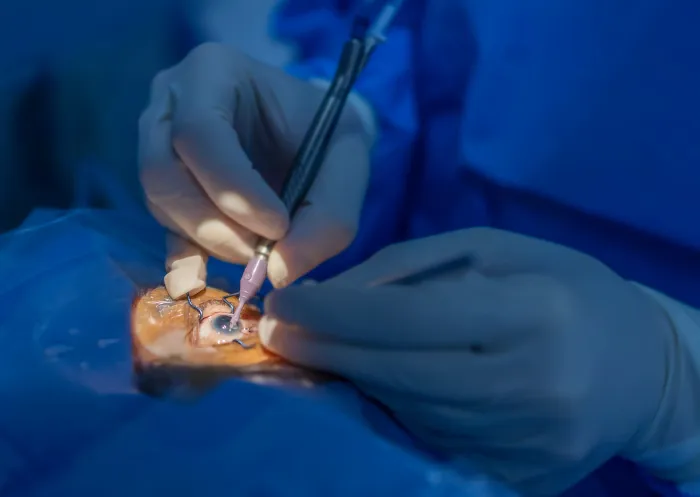
A cataract is a clouding of the eye’s natural lens, leading to blurry vision, difficulty seeing at night, and faded colours. Cataract surgery involves removing this cloudy lens and replacing it with a clear artificial lens (intraocular lens or IOL). The procedure is quick, usually taking about 15-30 minutes, and is performed under local anaesthesia.
Pre-Operative Care: Preparing for Surgery
Proper preparation before cataract surgery ensures a smooth procedure and reduces risks. Here’s what you should do:
1. Medical Evaluation & Tests
Your doctor will conduct an eye examination to assess the cataract’s severity.
Measurements of your eye will be taken to determine the correct intraocular lens (IOL) power.
You may need additional tests like corneal topography or optical biometry for precise lens selection.
2. Discuss Medications
Inform your doctor about any medications you take, especially blood thinners (like aspirin or warfarin), as they may need to be paused before surgery.
If you have diabetes or high blood pressure, ensure they are well-controlled before surgery.
3. Eye Drops Before Surgery
You may be prescribed antibiotic or anti-inflammatory eye drops a few days before surgery to prevent infection.
4. Fasting Before Surgery
Your doctor may advise not eating or drinking for a few hours before the procedure if sedation is used.
5. Arrange Transportation
Since your vision may be blurry immediately after surgery, avoid driving and arrange for someone to take you home.
Consult Top Specialists for Personalised Tips
Post-Operative Care: Ensuring a Smooth Recovery
After cataract surgery, proper care is essential for healing and preventing complications. Follow these guidelines:
1. Use Prescribed Eye Drops
You will be given antibiotic and anti-inflammatory eye drops to prevent infection and reduce swelling.
Follow the exact schedule recommended by your doctor.
2. Protect Your Eye
Wear the protective eye shield (especially while sleeping) for the first few days to avoid accidental rubbing.
Avoid dust, wind, and water (like swimming) for at least a week.
3. Avoid Strenuous Activities
Do not bend over, lift heavy objects, or strain for the first few weeks.
Avoid rubbing or pressing your eye.
4. Watch for Warning Signs
While complications are rare, contact your doctor immediately if you notice:
Severe pain (mild discomfort is normal)
Sudden vision loss
Increased redness or swelling
Flashes of light or floating spots (could indicate retinal detachment)
5. Gradual Return to Normal Activities
Most people notice improved vision within a few days, but full recovery may take 4-6 weeks.
You can resume light activities like reading and watching TV soon after surgery.
Wait for your doctor’s approval before driving, exercising, or wearing eye makeup.
Lifestyle & Dietary Tips for Faster Recovery
A healthy lifestyle supports healing and better vision after cataract surgery:
Eat a Nutrient-Rich Diet: Include foods rich in vitamin C (citrus fruits), vitamin E (nuts), and omega-3 (fish) to promote eye health.
Stay Hydrated: Drink plenty of water to keep your eyes moist.
Wear Sunglasses: Protect your eyes from UV rays with sunglasses when outdoors.
Avoid Smoking: Smoking slows healing and increases infection risks.
When to Follow Up with Your Doctor?
You will have follow-up visits (usually after 1 day, 1 week, and 1 month) to monitor healing. If you experience any discomfort or vision changes, contact your doctor immediately.
Conclusion
Cataract surgery is a safe and effective way to restore clear vision. By following pre-operative and post-operative care instructions, you can ensure a smooth recovery and enjoy better eyesight. If you or a loved one are considering cataract surgery, Apollo 24|7 offers expert consultations and seamless scheduling for tests and procedures. Book an appointment today to take the first step toward clearer vision!
Consult Top Eye Surgeon
Consult Top Specialists for Personalised Tips

Dr. Padmini S
Ophthalmologist
4 Years • MBBS,MS
Bengaluru
Apollo Medical Center, Marathahalli, Bengaluru

Dr. Viraja Kola
Ophthalmologist
10 Years • MBBS, DOMS, DNB, FNOH, FMR
Hyderguda
Apollo Hospitals Hyderguda, Hyderguda

Dr. Pratik Ranjan Sen
Ophthalmologist
20 Years • MBBS; MS; DO
Chennai
Apollo Hospitals Greams Road, Chennai

(50+ Patients)

Dr Monica Gour
Ophthalmologist
9 Years • MS(Ophthalmology) Fellowship in Cornea
Lucknow
Apollomedics Super Speciality Hospital, Lucknow

Dr. Shivani Grover
Ophthalmologist
9 Years • MS (Ophthalmology), Fellowship Cataract, Squint & Paediatric Ophthalmology
Lucknow
Apollomedics Super Speciality Hospital, Lucknow
Consult Top Eye Surgeon
Dr. Padmini S
Ophthalmologist
4 Years • MBBS,MS
Bengaluru
Apollo Medical Center, Marathahalli, Bengaluru
Dr. Viraja Kola
Ophthalmologist
10 Years • MBBS, DOMS, DNB, FNOH, FMR
Hyderguda
Apollo Hospitals Hyderguda, Hyderguda
Dr. Pratik Ranjan Sen
Ophthalmologist
20 Years • MBBS; MS; DO
Chennai
Apollo Hospitals Greams Road, Chennai
(50+ Patients)
Dr Monica Gour
Ophthalmologist
9 Years • MS(Ophthalmology) Fellowship in Cornea
Lucknow
Apollomedics Super Speciality Hospital, Lucknow
Dr. Shivani Grover
Ophthalmologist
9 Years • MS (Ophthalmology), Fellowship Cataract, Squint & Paediatric Ophthalmology
Lucknow
Apollomedics Super Speciality Hospital, Lucknow