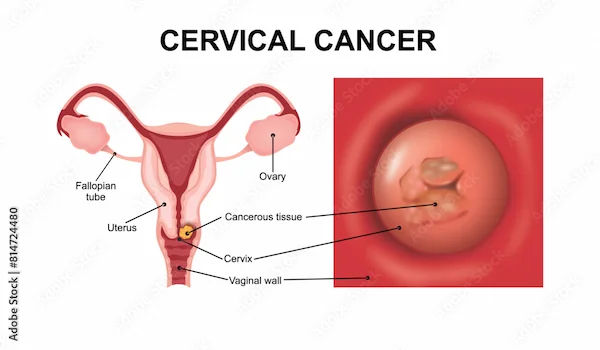
Cervical Cancer Overview and Management
Know about the cervical cancer, what it is, causes, symptoms, diagnosis, prevention and treatment options and more.

Written by Dr. Siri Nallapu
Reviewed by Dr. Rohinipriyanka Pondugula MBBS
Last updated on 13th Jan, 2026

Introduction
Cervical cancer is a serious but preventable and treatable condition that affects thousands of women worldwide. Understanding its causes, symptoms, and prevention methods can help in early detection and effective management. This article provides a simple and supportive guide to cervical cancer, its risk factors, and ways to protect yourself.
What is Cervical Cancer?
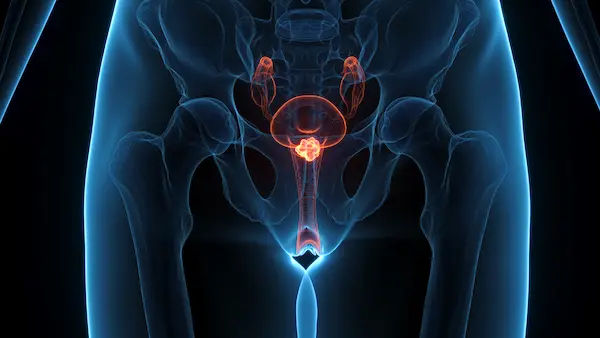
Cervical cancer occurs when abnormal cells in the cervix (the lower part of the uterus that connects to the vagina) grow uncontrollably. If left untreated, these cells can spread to other parts of the body. The good news is that cervical cancer develops slowly, and early detection can lead to successful treatment.
Consult an Oncologist for Personalised Advice
What Causes Cervical Cancer?
The primary cause of cervical cancer is the human papillomavirus (HPV), a common sexually transmitted infection. While most HPV infections clear up on their own, certain high-risk strains (like HPV 16 and 18) can lead to cervical cancer over time.
Other risk factors include:
- Weakened immune system (due to conditions like HIV or long-term medication use)
- Smoking (increases the risk of cervical cancer)
- Long-term use of birth control pills (may slightly increase risk)
- Multiple pregnancies
- Family history of cervical cancer
Symptoms of Cervical Cancer
In the early stages, cervical cancer may not show any symptoms. However, as it progresses, women may experience:
- Abnormal vaginal bleeding (after intercourse, between periods, or after menopause)
- Unusual vaginal discharge (may be watery, bloody, or foul-smelling)
- Pelvic pain or pain during intercourse
- Unexplained weight loss and fatigue
If you notice any of these symptoms, consult a doctor immediately. Early detection improves treatment outcomes.
How is Cervical Cancer Diagnosed?
Doctors use several tests to diagnose cervical cancer:
- Pap Smear (Pap Test) – A simple test where cells from the cervix are collected and checked for abnormalities.
- HPV Test – Detects high-risk HPV strains that may lead to cancer.
- Colposcopy – A magnified examination of the cervix if abnormal cells are found.
- Biopsy – A small tissue sample is taken to confirm cancer.
Regular screening is crucial because it helps detect precancerous changes before they turn into cancer.
Prevention of Cervical Cancer
1. HPV Vaccination
The HPV vaccine is highly effective in preventing cervical cancer. It is recommended for:
- Girls and boys aged 9-14 years (two doses)
- Women and men up to 26 years (if not vaccinated earlier)
- Some adults up to 45 years (after consulting a doctor)
2. Regular Screening
- Pap Smear every 3 years (for women aged 21-65)
- HPV Test every 5 years (for women aged 30-65)
3. Safe Sexual Practices
- Using condoms reduces HPV transmission.
- Limiting sexual partners lowers exposure to HPV.
4. Healthy Lifestyle Choices
- Quit smoking – Smoking weakens the immune system, making it harder to fight HPV.
- Eat a balanced diet – Foods rich in antioxidants (fruits, vegetables) support immunity.
- Exercise regularly – Helps maintain a healthy weight and immune function.
Treatment Options for Cervical Cancer
Treatment depends on the stage of cancer and overall health. Common options include:
- Surgery – Removing cancerous tissue (cone biopsy, hysterectomy).
- Radiation Therapy – Using high-energy rays to kill cancer cells.
- Chemotherapy – Drugs to destroy cancer cells, often combined with radiation.
- Targeted Therapy & Immunotherapy – Advanced treatments for later stages.
Early-stage cervical cancer has a high cure rate, so timely treatment is crucial.
Living with Cervical Cancer: Emotional and Physical Support
A cervical cancer diagnosis can be overwhelming. Here are some ways to cope:
- Seek support – Talk to family, friends, or join a support group.
- Stay informed – Ask your doctor about treatment options and side effects.
- Maintain a healthy routine – Gentle exercise, meditation, and a nutritious diet help recovery.
When to See a Doctor?
It includes:
- If you experience unusual vaginal bleeding or discharge
- If you haven’t had a Pap smear in the last 3-5 years
- If you want to discuss HPV vaccination
Early action saves lives. If you have concerns, don’t hesitate to consult a specialist.
Final Thoughts
Cervical cancer is preventable and manageable with the right knowledge and medical care. By staying informed, getting vaccinated, and attending regular screenings, you can protect yourself and your loved ones.
Consult an Oncologist for Personalised Advice
Consult an Oncologist for Personalised Advice

Dr Gowshikk Rajkumar
Oncologist
10 Years • MBBS, DMRT, DNB in Radiation oncology
Bengaluru
Apollo Clinic, JP nagar, Bengaluru

Dr. Vishwanath S
Oncologist
8 Years • MBBS, MD, DM, Fellowship at MD Anderson Cancer Center
Bengaluru
Apollo Spectra Hospitals, Koramangala, Bengaluru

Dr Ankit Jain
Medical Oncologist
20 Years • MBBS, (MAMC Delhi), MRCP Oncology (London), MRCP Medicine (London), MSC Oncology(UK) CCT(UK)
Delhi
Apollo Hospitals Indraprastha, Delhi

Ms. Hiba Siddiqui
Oncologist
13 Years • BA (Hons), MA, Professional Certification Psycho-oncology, PhD
Delhi
Apollo Hospitals Indraprastha, Delhi

Dr Devashish Tripathi
Radiation Specialist Oncologist
20 Years • MBBS, PLAB, MRCP (UK)- General Medicine, FRCR (Oncology), Certificate of Completion of Training (CCT)- Clinical Oncology
Delhi
Apollo Hospitals Indraprastha, Delhi

(25+ Patients)
Consult an Oncologist for Personalised Advice
Dr Gowshikk Rajkumar
Oncologist
10 Years • MBBS, DMRT, DNB in Radiation oncology
Bengaluru
Apollo Clinic, JP nagar, Bengaluru
Dr. Vishwanath S
Oncologist
8 Years • MBBS, MD, DM, Fellowship at MD Anderson Cancer Center
Bengaluru
Apollo Spectra Hospitals, Koramangala, Bengaluru
Dr Ankit Jain
Medical Oncologist
20 Years • MBBS, (MAMC Delhi), MRCP Oncology (London), MRCP Medicine (London), MSC Oncology(UK) CCT(UK)
Delhi
Apollo Hospitals Indraprastha, Delhi
Ms. Hiba Siddiqui
Oncologist
13 Years • BA (Hons), MA, Professional Certification Psycho-oncology, PhD
Delhi
Apollo Hospitals Indraprastha, Delhi
Dr Devashish Tripathi
Radiation Specialist Oncologist
20 Years • MBBS, PLAB, MRCP (UK)- General Medicine, FRCR (Oncology), Certificate of Completion of Training (CCT)- Clinical Oncology
Delhi
Apollo Hospitals Indraprastha, Delhi
(25+ Patients)

.webp)