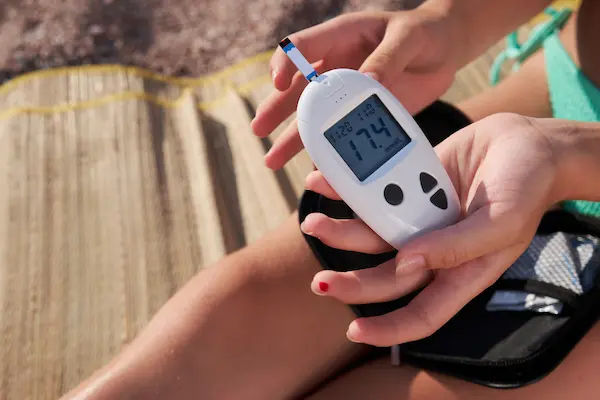
Type 2 Diabetes: Signs and Symptoms
Learn the key signs and symptoms of Type 2 Diabetes, like fatigue, frequent urination, and blurred vision and how early diagnosis can help prevent complications.

Living with Type 2 Diabetes can be challenging, but understanding its signs and symptoms can help you take control of your health early. This condition affects how your body processes sugar (glucose), leading to high blood sugar levels. The good news? With the right knowledge and lifestyle changes, you can manage it effectively.
What is Type 2 Diabetes?
Type 2 Diabetes is a chronic condition where your body either doesn’t produce enough insulin (a hormone that regulates blood sugar) or becomes resistant to its effects. Over time, high blood sugar can damage your nerves, blood vessels, and organs, increasing the risk of heart disease, kidney problems, and vision loss.
Common Signs and Symptoms
Many people with Type 2 Diabetes may not notice symptoms at first, but as blood sugar levels rise, the following signs may appear:
1. Increased Thirst and Frequent Urination
Excess sugar in your blood forces your kidneys to work harder, pulling more water from your body.
This leads to frequent urination and, in turn, constant thirst.
2. Increased Hunger
Even after eating, you may feel hungry because your body isn’t using glucose properly for energy.
3. Fatigue and Weakness
Since your cells aren’t getting enough glucose, you may feel tired and sluggish throughout the day.
4. Blurred Vision
High blood sugar can cause swelling in the eye lens, leading to temporary blurry vision.
5. Slow-Healing Wounds or Frequent Infections
Diabetes affects blood circulation and weakens immunity, making cuts, bruises, or infections (like urinary or skin infections) heal more slowly than usual.
6. Tingling or Numbness in Hands/Feet
High sugar levels can damage nerves, causing tingling, numbness, or pain (diabetic neuropathy).
7. Unexplained Weight Loss
Without enough insulin, your body may start burning fat and muscle for energy, leading to sudden weight loss.
8. Dark Patches on Skin (Acanthosis Nigricans)
Some people develop dark, velvety patches on the neck, armpits, or groin, a sign of insulin resistance.
Get Your Symptoms Checked By An Endocrinologist
Who is at Risk?
While anyone can develop Type 2 Diabetes, certain factors increase the risk:
Family history of diabetes
Being overweight or obese
Sedentary lifestyle (lack of physical activity)
High blood pressure or cholesterol
Age (over 45 years)
History of gestational diabetes (diabetes during pregnancy)
How to Manage Type 2 Diabetes?
The good news is that lifestyle changes can help control blood sugar levels and prevent complications.
1. Eat a Balanced Diet
Focus on whole grains, vegetables, lean proteins, and healthy fats.
Avoid sugary drinks, processed foods, and excessive carbs.
Portion control is key; eat smaller, frequent meals.
2. Stay Active
30 minutes of moderate exercise (walking, swimming, yoga) daily helps lower blood sugar.
Strength training improves insulin sensitivity.
3. Monitor Blood Sugar Regularly
Check glucose levels as advised by your doctor.
Keep a log to track patterns.
4. Take Medications as Prescribed
If lifestyle changes aren’t enough, your doctor may prescribe oral medications or insulin.
5. Manage Stress and Sleep Well
Stress raises blood sugar; practice meditation, deep breathing, or hobbies.
Aim for 7-8 hours of quality sleep.
When to See a Doctor?
If you notice any of the symptoms mentioned, consult a doctor immediately. Early diagnosis can prevent complications.
Book a Diabetes Screening Test Today!
Worried about your sugar levels? Apollo 24|7 offers easy blood sugar tests and expert consultations from the comfort of your home.
Book Now: Apollo 24|7 Diabetes Test
Conclusion
Type 2 Diabetes is manageable with awareness, healthy habits, and medical support. If you or a loved one experiences symptoms, don’t ignore them; early action makes a big difference.
Get Your Symptoms Checked By An Endocrinologist
Get Your Symptoms Checked By An Endocrinologist

Dr G Prathyusha
General Physician/ Internal Medicine Specialist
6 Years • MBBS DNB (Family medicine), CCEBDM (Diabetology), PGDGM (Geriatrics), Primary care Rheumatologist.
Bengaluru
PRESTIGE SHANTHINIKETAN - SOCIETY CLINIC, Bengaluru

Dr. Nilotpal Mitra
General Practitioner
21 Years • MBBS, PGDGM ( Geriatric Medicine), ACMDC (an Advance course in Diabetes and cardiovascular diseases from PHFI and WHF )
Kolkata
MCR SUPER SPECIALITY POLY CLINIC & PATHOLOGY, Kolkata

(50+ Patients)

Dr. Anand Ravi
General Physician
2 Years • MBBS, FEM
Bengaluru
PRESTIGE SHANTHINIKETAN - SOCIETY CLINIC, Bengaluru

Dr Venkata Naga Sai Tribhushan Rambhatla
General Physician
3 Years • MBBS
Bengaluru
PRESTIGE SHANTHINIKETAN - SOCIETY CLINIC, Bengaluru

Dr. Shrikrishna V Acharya
Endocrinologist
25 Years • MBBS, MD, DM(Endocrinology), MRCP (Endocrinology)
Bengaluru
Apollo Clinic, JP nagar, Bengaluru