


Guide to Cancer Prevention Diet
Learn about the foods and dietary habits that can help reduce your risk of cancer. Our comprehensive guide covers the science behind a cancer-prevention diet and provides actionable tips.

Written by Dr. Md Yusuf Shareef
Reviewed by Dr. Rohinipriyanka Pondugula MBBS
Last updated on 13th Jan, 2026
Introduction
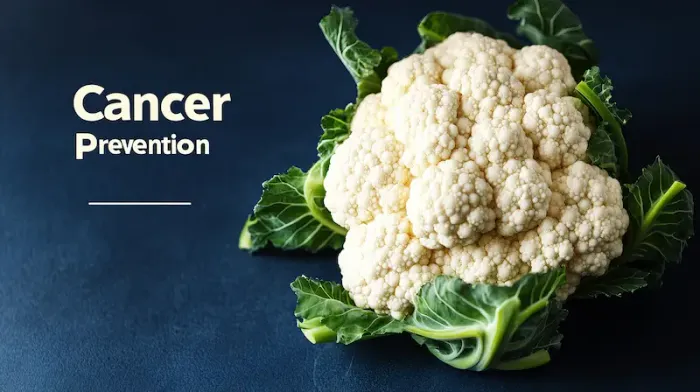
While no single food is a magic shield against disease, a growing body of compelling research suggests that your overall dietary pattern is one of the most powerful tools you have for cancer prevention. The choices you make at the grocery store and on your plate can significantly influence inflammation, hormone levels, and cellular health—all factors tied to cancer risk. This guide moves beyond the hype of "superfoods" to provide a practical, evidence-based blueprint for building a cancer prevention diet. We will explore the foods to embrace, the ones to limit, and how integrating smart dietary habits with other lifestyle choices creates a robust defense strategy for your long-term health. Think of this not as a restrictive regimen, but as an empowering journey towards nourishing your body’s innate resilience.
The Core Principles of an Anti-Cancer Diet
The foundation of preventing cancer through diet isn't about exotic berries or expensive supplements; it's built on consistent, everyday choices. Leading health organizations like the American Institute for Cancer Research (AICR) estimate that through diet, nutrition, and physical activity, we could prevent approximately 40% of all cancers. The core principle is simple: maximize nutrient-dense, whole foods that protect your cells and minimize foods that can promote harm. This approach is less about strict rules and more about building a sustainable, health-promoting pattern of eating that supports your body's natural defenses and helps maintain a healthy weight—a critical factor in itself.
Plant-Based Power: The Foundation of Prevention
A plant-based diet for cancer risk reduction doesn't necessarily mean going vegan. It means making plants the star of your plate. Fruits, vegetables, whole grains, legumes, nuts, and seeds are packed with a symphony of protective compounds, including vitamins, minerals, fiber, and antioxidants. These compounds work synergistically to reduce inflammation, neutralize free radicals that can damage DNA, and even help regulate hormones that can influence cancer growth.
The Color Code: Why a Rainbow on Your Plate Matters
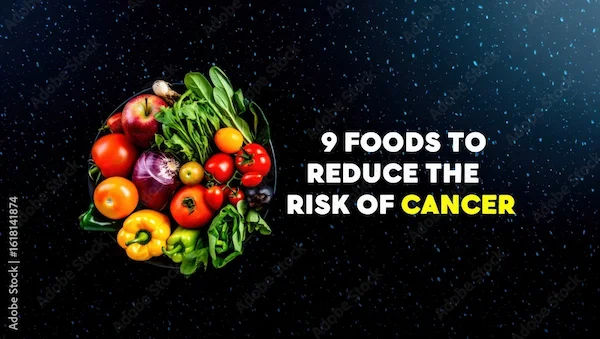
The vibrant colors in fruits and vegetables are more than just decoration; they signal the presence of specific phytochemicals. For instance, the red in tomatoes (lycopene) is linked to reduced prostate cancer risk, the orange in carrots (beta-carotene) supports immune function, and the dark green in spinach and kale (chlorophyll and folate) aids in cell repair. Aiming for a "rainbow" ensures you get a wide array of these powerful, protective compounds. A simple goal is to include at least three different colors in every meal.
Whole Grains: Fueling Your Body with Fiber and Phytonutrients
Swapping refined grains (white bread, white rice) for whole grains like oats, quinoa, brown rice, and whole wheat is a crucial step. Whole grains are rich in fiber, which helps maintain a healthy digestive system and may lower the risk of colorectal cancer. Fiber also helps you feel full longer, aiding in weight management. Additionally, they contain nutrients like selenium and vitamin E, which have antioxidant properties.
Legumes and Beans: Protein-Packed Cancer Fighters
Beans, lentils, and chickpeas are unsung heroes in an anti-inflammatory diet for cancer. They are excellent sources of fiber, plant-based protein, and folate. Their high fiber content promotes the production of short-chain fatty acids in the gut, which have been shown to have anti-cancer properties. Incorporating a few servings of legumes per week is a fantastic way to displace less healthy protein sources like red meat.Consult Top Specialists
Foods to Limit: Reducing Your Dietary Risk Factors
Just as some foods protect, others can increase risk. Understanding these allows you to make informed choices rather than living in fear of food.
The Truth About Red and Processed Meats
The World Health Organization has classified processed meats (like bacon, sausage, ham, and hot dogs) as Group 1 carcinogens, meaning there is strong evidence they cause cancer, particularly colorectal cancer. Red meat (beef, pork, lamb) is classified as a Group 2A carcinogen, "probably carcinogenic to humans." The mechanisms are believed to involve compounds formed during processing (like nitrates) and cooking at high temperatures (heterocyclic amines). The AICR recommends limiting red meat to no more than 18 ounces per week and avoiding processed meats altogether.
Sugar, Refined Carbs, and Cancer Risk
While sugar doesn’t directly "feed" cancer cells in the way some myths suggest, a diet high in sugary drinks, sweets, and refined carbohydrates (white flour, pastries) can indirectly increase risk. These foods cause rapid spikes in blood sugar and insulin, and chronically high insulin levels are associated with an increased risk of several cancers, including colorectal and endometrial cancer. Furthermore, these high-calorie, low-nutrient foods contribute to weight gain and obesity, a significant risk factor for many cancers.
Alcohol: Understanding the Carcinogenic Link
Regardless of the type—wine, beer, or spirits—alcohol is a known carcinogen. When the body metabolizes alcohol, it produces acetaldehyde, a toxic chemical that can damage DNA and prevent your body from repairing this damage. Alcohol consumption is linked to an increased risk of cancers of the breast, liver, colon, rectum, mouth, and throat. For cancer prevention, it's best not to drink alcohol. If you do choose to drink, the AICR recommends limiting to no more than one drink per day for women and two for men.
Beyond Food: The Role of Weight and Lifestyle
Diet doesn't operate in a vacuum. It is deeply intertwined with other lifestyle factors that collectively shape your cancer risk.
Maintaining a Healthy Weight: A Key Defense Strategy
Excess body fat is not inert; it's metabolically active. It can produce hormones and promote inflammation, creating an environment that can encourage cancer cell growth. Obesity is a convincing risk factor for at least 12 different cancers. Therefore, one of the most significant things you can do for cancer prevention is to achieve and maintain a healthy weight through a balanced diet and regular activity. If you are struggling with weight management and related health issues, consulting a nutritionist or doctor online with Apollo24|7 can provide personalized guidance and support.
The Synergy of Diet and Physical Activity
Regular physical activity is a powerhouse for prevention on its own, helping to regulate hormones, improve immune function, and aid digestion. When combined with a healthy diet, the effects are synergistic. Activity helps manage weight, reduces inflammation, and can even help mitigate the risks associated with occasional indulgences. Aim for at least 150 minutes of moderate-intensity or 75 minutes of vigorous-intensity activity each week.
Debunking Myths: "Superfoods," Supplements, and Organic Choices
The term "superfood" is more of a marketing label than a scientific one. No single food can prevent or cure cancer. The true "super" power comes from a dietary pattern rich in a variety of whole plant foods. Similarly, while supplements can be beneficial for addressing specific deficiencies, they are not a substitute for a healthy diet. High-dose supplements can even be harmful and have not been shown to prevent cancer; in some cases, they may increase risk. Focus on getting nutrients from food first. As for organic produce, it can reduce pesticide exposure, but the cancer-preventing benefits of eating conventionally grown fruits and vegetables far outweigh the risks of not eating them. If cost is a concern, prioritize buying organic for the "Dirty Dozen" list (e.g., strawberries, spinach) and feel confident buying conventional for the "Clean Fifteen" (e.g., avocados, sweet corn).
Putting It All Together: A Sample Anti-Cancer Meal Plan
This isn't about perfection; it's about pattern.
• Breakfast: Overnight oats made with rolled oats, chia seeds, blueberries, and a sprinkle of walnuts.
• Lunch: A large salad with mixed greens, chickpeas, quinoa, cherry tomatoes, carrots, and a lemon-tahini dressing. A side of whole-grain bread.
• Snack: An apple with a tablespoon of almond butter.
• Dinner: Baked salmon (rich in omega-3s) with a side of roasted broccoli and sweet potato.
• Drink: Water, herbal tea, or infused water with lemon and cucumber throughout the day.
Conclusion: Empowerment on Your Plate
The journey of cancer prevention is a marathon, not a sprint. It’s built on the small, consistent choices we make every day. This guide has outlined a powerful strategy: fill your plate with a vibrant array of plant foods, be mindful of foods that may increase risk, and support your diet with a healthy weight and active lifestyle. Remember, perfection is not the goal. Progress is. Each healthy meal is a positive step toward investing in your long-term well-being. You have more control over your health than you might think, and it starts with the very next thing you eat. Embrace this knowledge not as a burden, but as a form of empowerment. Your plate is one of your most potent tools for building a healthier future.
Consult Top Specialists
Consult Top Specialists

Dr Syed Mateen Pasha
General Physician
2 Years • MBBS
Bengaluru
PRESTIGE SHANTHINIKETAN - SOCIETY CLINIC, Bengaluru


Dr. D Bhanu Prakash
General Practitioner
10 Years • MBBS, AFIH, Advanced certificate in critical care medicine, Fellowship in critical care medicine
Hyderabad
Apollo 24|7 Clinic, Hyderabad

Dr. Anand Ravi
General Physician
2 Years • MBBS, FEM
Bengaluru
PRESTIGE SHANTHINIKETAN - SOCIETY CLINIC, Bengaluru

Dr. Syed Ismail Ali
General Practitioner
7 Years • MBBS
Hyderabad
Apollo 24|7 Clinic, Hyderabad

Dr. Vivek D
General Physician
4 Years • MBBS
Bengaluru
PRESTIGE SHANTHINIKETAN - SOCIETY CLINIC, Bengaluru
Consult Top Specialists
Dr Syed Mateen Pasha
General Physician
2 Years • MBBS
Bengaluru
PRESTIGE SHANTHINIKETAN - SOCIETY CLINIC, Bengaluru
Dr. D Bhanu Prakash
General Practitioner
10 Years • MBBS, AFIH, Advanced certificate in critical care medicine, Fellowship in critical care medicine
Hyderabad
Apollo 24|7 Clinic, Hyderabad
Dr. Anand Ravi
General Physician
2 Years • MBBS, FEM
Bengaluru
PRESTIGE SHANTHINIKETAN - SOCIETY CLINIC, Bengaluru
Dr. Syed Ismail Ali
General Practitioner
7 Years • MBBS
Hyderabad
Apollo 24|7 Clinic, Hyderabad
Dr. Vivek D
General Physician
4 Years • MBBS
Bengaluru
PRESTIGE SHANTHINIKETAN - SOCIETY CLINIC, Bengaluru
Frequently Asked Questions
1. Does sugar directly cause cancer?
No, sugar does not directly cause cancer. All cells, including cancer cells, use glucose (blood sugar) for energy. However, a diet high in sugary foods and drinks can lead to weight gain, obesity, and chronic inflammation, which are significant risk factors for developing cancer.
2. Are 'organic' foods necessary for cancer prevention?
While organic foods can reduce exposure to pesticide residues, there is currently no strong evidence that eating organic foods significantly lowers cancer risk compared to eating conventionally grown foods. The most important step is to eat plenty of fruits and vegetables, whether they are organic or conventional.
3. What are the best antioxidants for cancer prevention?
Instead of focusing on a single antioxidant, aim to get a wide variety. Different antioxidants (like vitamin C, vitamin E, selenium, and beta-carotene) and phytochemicals work best together. The best approach is to eat a diverse diet rich in colorful fruits, vegetables, nuts, and whole grains.
4. Can supplements replace a healthy diet for prevention?
No. High-dose supplements have not been shown to be effective for cancer prevention and can sometimes be harmful. The complex synergy of nutrients found in whole foods cannot be replicated in a pill. Focus on a nutrient-dense diet first. If you are considering supplements for a specific deficiency, it's best to consult a doctor online with Apollo24|7 for personalized advice.
5. Is soy safe to eat after a cancer diagnosis?
For most people, moderate consumption of whole soy foods (like tofu, edamame, and tempeh) is considered safe and may even be beneficial. Current research does not show that soy increases cancer risk or recurrence. It's best to avoid highly processed soy products and soy protein isolates and focus on whole food sources.