


The Powerful Link Between Diet and Cancer Risk
Discover how your daily meals can act as a shield against cancer. Learn the science behind cancer-preventive foods, which to embrace or avoid, and practical tips for building a long-term, protective diet.

Written by Dr. Shaik Abdul Kalam
Reviewed by Dr. Vasanthasree Nair MBBS
Last updated on 13th Jan, 2026
Introduction
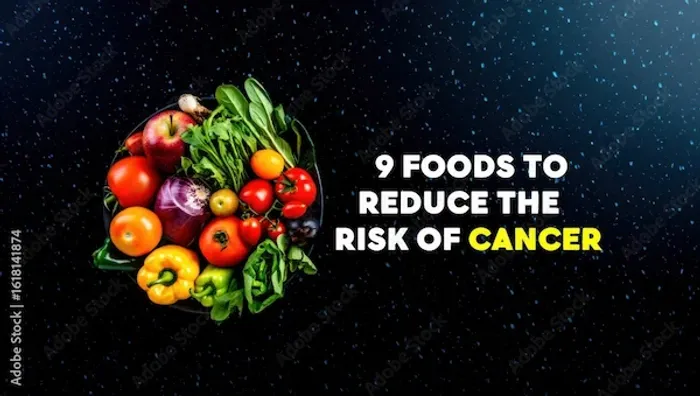
While there's no single "magic bullet" food that guarantees immunity, a growing body of compelling evidence shows that our daily dietary choices play a profound role in influencing cancer risk. Think of your diet not as a temporary fix, but as a long-term, sustainable shield—a powerful tool you wield with every meal. This guide moves beyond simplistic lists to explore the why and how of a cancer prevention diet. We'll break down the science behind which foods protect your cells, which ones may pose a risk, and how to seamlessly integrate these principles into your life. By embracing a diet rich in specific nutrients and antioxidants, you can create an internal environment that is far less hospitable to cancer development, empowering yourself in the journey toward long-term health.
The Powerful Link Between Diet and Cancer Risk
The connection between what we eat and our risk of developing cancer is not merely anecdotal; it's grounded in decades of epidemiological and clinical research. It's estimated that dietary factors are responsible for about 30% of all cancers in Western countries and up to 20% in developing nations, making it one of the most significant preventable risk factors, second only to tobacco.
Understanding How Food Influences Cancer Development
Food can influence cancer risk through several key mechanisms:
- DNA Damage and Protection: Some compounds in food (e.g., in charred meat) can be carcinogenic, damaging DNA and initiating cancer. Conversely, antioxidants and phytochemicals from plants protect our cells from this damage.
- Inflammation: Chronic, low-grade inflammation is a known driver of cancer. Diets high in sugar, refined carbs, and unhealthy fats can fuel this fire, while anti-inflammatory foods (like fatty fish and berries) can extinguish it.
- Hormone Regulation: Certain cancers are hormone-sensitive. Dietary fiber, for instance, helps regulate estrogen levels, which is crucial for reducing breast cancer risk.
- Gut Health: A healthy gut microbiome, fueled by dietary fiber, produces compounds like butyrate that have anti-cancer properties and strengthen the gut lining, preventing harmful substances from entering the bloodstream.
The Research: What Science Says About Nutrition and Cancer
Organisations like the American Institute for Cancer Research (AICR) and the World Cancer Research Fund (WCRF) have synthesised thousands of studies to create evidence-based recommendations. Their continuous update project consistently finds that diets high in plant foods and low in processed foods, red meat, and alcohol are strongly linked to a lower risk of many common cancers, including those of the colon, stomach, mouth, and esophagus.
Consult Top oncologist
Building Your Anti-Cancer Plate: Foods to Embrace
Shifting your focus to what you can and should eat is the most empowering step. Aim to fill at least two-thirds of your plate with plant-based foods.
The Colorful World of Phytochemicals: Fruits and Vegetables
The vibrant colors in fruits and vegetables are more than just decoration; they represent different families of phytochemicals—natural compounds that combat cancer.
Cruciferous Vegetables: The Heavy Hitters (Broccoli, Kale)
Vegetables like broccoli, cauliflower, kale, Brussels sprouts, and cabbage contain sulforaphane and indole-3-carbinol. These compounds have been shown in lab studies to inhibit the growth of cancer cells and stimulate their self-destruction (apoptosis). Aim for at least a few servings per week.
Berries: Antioxidant Powerhouses
Blueberries, strawberries, raspberries, and others are loaded with vitamins, fiber, and particularly powerful antioxidants like anthocyanins and ellagic acid. These compounds scavenge free radicals, reduce inflammation, and may slow the development of cancer cells.
Allium Vegetables: Garlic and Onions
Garlic, onions, leeks, and shallots are rich in allicin, a sulfur-containing compound with potent immune-boosting and anti-cancer properties. Studies suggest a link between high consumption of allium vegetables and a reduced risk of stomach and colorectal cancers.
The Power of Fiber: Whole Grains and Legumes
Fiber is a cornerstone of any diet to reduce cancer risk, especially for colorectal cancer. It adds bulk to stool, helping to move potential carcinogens through the digestive tract faster. It also feeds beneficial gut bacteria. Excellent sources include oats, quinoa, brown rice, barley, lentils, chickpeas, and all types of beans.
Healthy Fats: Choosing the Right Sources
Not all fats are created equal. Focus on anti-inflammatory unsaturated fats.
- Omega-3 Fatty Acids: Found in fatty fish (salmon, mackerel, sardines), walnuts, and flaxseeds, these fats help fight chronic inflammation.
- Monounsaturated Fats: Found in olive oil, avocados, and nuts, these are staples of the heart-healthy Mediterranean diet, which is also associated with lower cancer rates.
- Limit saturated fats (red meat, full-fat dairy) and completely avoid trans fats (found in many processed foods).
Foods to Limit or Avoid for Lower Cancer Risk
Just as some foods build your shield, others can weaken it. Moderation and awareness are key.
The Problem with Processed and Red Meats
The WCRF recommends limiting red meat (beef, pork, lamb) to no more than 18 ounces (cooked) per week and avoiding processed meats (bacon, sausage, hot dogs, salami) altogether. When processed meat is preserved by smoking, curing, or salting, or when red meat is cooked at high temperatures, carcinogenic compounds like N-nitroso compounds and heterocyclic amines can form.
Sugar, Refined Carbs, and Inflammation
While sugar doesn't directly "feed" cancer cells, a diet high in sugary drinks, sweets, and refined carbohydrates (white bread, white pasta) leads to weight gain, obesity, and chronic inflammation—all of which are significant risk factors for cancer. Opt for whole fruit over fruit juice and whole grains over refined ones.
The Alcohol-Cancer Connection
Alcohol is a known human carcinogen. When metabolised, it produces acetaldehyde, a toxic chemical that can damage DNA and proteins. It also generates reactive oxygen species that can further damage DNA. Alcohol consumption is linked to an increased risk of cancers of the breast, liver, colon, mouth, and throat. The best choice for cancer prevention is to avoid alcohol entirely.
Beyond Food: Essential Lifestyle Synergies
A cancer-preventive diet doesn't exist in a vacuum. It works best when synergised with other healthy habits.
Maintaining a Healthy Weight is Non-Negotiable
Excess body fat is not inert; it's metabolically active, producing hormones and promoting inflammation that can fuel cancer growth. Maintaining a healthy body mass index (BMI) is one of the most important things you can do to lower your risk. If you are concerned about weight-related metabolic issues, Apollo24|7 offers a convenient home collection for tests like vitamin D or HbA1c to help you and your doctor understand your baseline health.
The Role of Regular Physical Activity
Exercise helps regulate hormone levels, improves immune function, and helps maintain a healthy weight. Aim for at least 150 minutes of moderate-intensity or 75 minutes of vigorous-intensity activity each week. This doesn't have to be grueling; brisk walking, cycling, and dancing all count.
Putting It All Together: A Sample Day of Eating
- Breakfast: Bowl of oatmeal topped with blueberries, walnuts, and a sprinkle of cinnamon.
- Lunch: Large salad with mixed greens, chickpeas, grilled chicken, broccoli florets, red onion, and an olive oil-based vinaigrette. A side of quinoa.
- Snack: An apple with a tablespoon of almond butter.
- Dinner: Baked salmon with a side of roasted Brussels sprouts and a sweet potato.
- Hydration: Water, herbal tea, or green tea throughout the day.
Conclusion
Adopting a cancer prevention diet is not about perfection or deprivation; it's about making consistent, conscious choices that stack the odds of long-term health in your favor. It's a pattern of eating centered on whole, predominantly plant-based foods that provide a symphony of protective compounds. By understanding the science behind these choices—embracing colorful produce, powerful fiber, and healthy fats while limiting processed meats, sugar, and alcohol—you empower yourself to take proactive control of your well-being. Remember, these dietary strategies are most powerful when combined with maintaining a healthy weight and staying physically active. Start with small, sustainable changes today. If you have specific health concerns or a family history of cancer, consult a doctor online with Apollo24|7 to create a personalised plan that’s right for you. Your health is your greatest asset, and every healthy meal is an investment in it.
Consult Top Specialists
Consult Top oncologist

Dr Gowshikk Rajkumar
Oncologist
10 Years • MBBS, DMRT, DNB in Radiation oncology
Bengaluru
Apollo Clinic, JP nagar, Bengaluru

Dr. Vishwanath S
Oncologist
8 Years • MBBS, MD, DM, Fellowship at MD Anderson Cancer Center
Bengaluru
Apollo Spectra Hospitals, Koramangala, Bengaluru

Dr Devashish Tripathi
Radiation Specialist Oncologist
20 Years • MBBS, PLAB, MRCP (UK)- General Medicine, FRCR (Oncology), Certificate of Completion of Training (CCT)- Clinical Oncology
Delhi
Apollo Hospitals Indraprastha, Delhi

(25+ Patients)

Dr. Nikhil Agrawal
Surgical Oncologist
18 Years • MBBS, MS, MCh (AIIMS, New Delhi)
Delhi
Apollo Hospitals Indraprastha, Delhi

Dr. Asit Arora
Surgical Oncologist
20 Years • M.B.B.S., M.S. in General Surgery, M.Ch. in Gastrointestinal Surgery
Delhi
Apollo Hospitals Indraprastha, Delhi
Consult Top Specialists
Dr Gowshikk Rajkumar
Oncologist
10 Years • MBBS, DMRT, DNB in Radiation oncology
Bengaluru
Apollo Clinic, JP nagar, Bengaluru
Dr. Vishwanath S
Oncologist
8 Years • MBBS, MD, DM, Fellowship at MD Anderson Cancer Center
Bengaluru
Apollo Spectra Hospitals, Koramangala, Bengaluru
Dr Devashish Tripathi
Radiation Specialist Oncologist
20 Years • MBBS, PLAB, MRCP (UK)- General Medicine, FRCR (Oncology), Certificate of Completion of Training (CCT)- Clinical Oncology
Delhi
Apollo Hospitals Indraprastha, Delhi
(25+ Patients)
Dr. Nikhil Agrawal
Surgical Oncologist
18 Years • MBBS, MS, MCh (AIIMS, New Delhi)
Delhi
Apollo Hospitals Indraprastha, Delhi
Dr. Asit Arora
Surgical Oncologist
20 Years • M.B.B.S., M.S. in General Surgery, M.Ch. in Gastrointestinal Surgery
Delhi
Apollo Hospitals Indraprastha, Delhi
Frequently Asked Questions
What is the number one food to prevent cancer?
There is no single 'number one' food. The power lies in the overall dietary pattern. However, cruciferous vegetables like broccoli and kale, as well as berries, are consistently ranked among the top anti-cancer foods due to their dense concentration of protective compounds.
Can sugar actually cause cancer?
Sugar itself does not directly cause cancer. However, a diet consistently high in sugary foods and drinks can lead to obesity, chronic inflammation, and insulin resistance—all of which are strong risk factors for the development of several types of cancer.
Are organic foods necessary for cancer prevention?
While choosing organic can reduce your exposure to pesticide residues, the overwhelming evidence indicates that the benefit of eating a wide variety of fruits and vegetables—whether conventional or organic—far outweighs the potential risk of pesticide exposure. Don't avoid produce if organic isn't accessible or affordable.
Are there any specific supplements I should take?
It's always best to get nutrients from whole foods rather than supplements. Some studies have even found that high-dose antioxidant supplements can be harmful in certain contexts. Focus on a balanced diet first. Before starting any new supplement regimen, it's wise to consult a doctor, who can advise based on your individual needs.
How long does it take for a dietary change to affect cancer risk?
Dietary changes begin to affect your body's internal environment immediately (e.g., reducing inflammation, altering gut bacteria). However, reducing your long-term cancer risk is a cumulative, lifelong process. Consistency over years and decades is what provides the strongest protective effect.