


Guide to Superfoods for a Healthy Heart and a Sharp Brain
Boost your heart and brain health with nutrient-rich superfoods, lifestyle tips, and expert-backed strategies to enhance memory, circulation, and overall vitality.

Written by Dr. Siri Nallapu
Reviewed by Dr. D Bhanu Prakash MBBS, AFIH, Advanced certificate in critical care medicine, Fellowship in critical care medicine
Last updated on 13th Jan, 2026
Introduction
In the quest for optimal health, we often think of the heart and brain as separate entities. But what if the key to vitality lies in nurturing them together? Emerging research consistently reveals a powerful synergy: the same lifestyle choices that protect your cardiovascular system also fortify your cognitive function. This guide dives deep into the world of superfoods for a healthy heart and brain, moving beyond a simple list to provide a holistic understanding. We'll explore the science behind the heart-brain connection, identify the powerhouse nutrients that offer dual protection, and present a practical list of the top 10 foods to incorporate into your diet. More than just what to eat, we'll also cover the essential lifestyle pillars—like sleep, exercise, and stress management—that work in concert with nutrition. Whether your goal is to boost memory, support cardiovascular function, or simply age gracefully, this comprehensive resource will equip you with the knowledge to make empowered choices for your long-term well-being.
The Heart-Brain Connection: Why They Thrive Together
The heart and brain are in constant, intimate communication. Your heart pumps nutrient- and oxygen-rich blood to your brain through a vast network of arteries, and your brain, in turn, regulates your heart rate and blood pressure. This symbiotic relationship means that the health of one directly impacts the health of the other. By supporting this vital connection, you create a foundation for overall wellness.
The Role of Blood Flow and Inflammation
Two primary factors link cardiovascular and cognitive health: blood flow and inflammation.
Blood Flow: The brain, despite being only 2% of body weight, consumes about 20% of the body's oxygen and blood supply. Any compromise in blood flow, such as from narrowed or hardened arteries (atherosclerosis), can starve brain cells of essential nutrients, leading to impaired function and increasing the risk of cognitive decline and vascular dementia.
Inflammation: Chronic inflammation is a silent enemy implicated in both heart disease and neurodegenerative conditions like Alzheimer's. When the body is in a prolonged state of inflammation, it can damage blood vessels and brain cells. Many superfoods for a healthy heart and brain are potent anti-inflammatories, helping to calm this systemic fire.
Shared Risk Factors: What Harms One, Harms the Other
The risk factors for heart disease and cognitive decline are strikingly similar. High blood pressure, high cholesterol, diabetes, and obesity don't just strain your heart—they also damage the delicate blood vessels in your brain. By managing these conditions through diet and lifestyle, you protect both organs simultaneously. This integrated approach is far more effective than trying to address each in isolation.
Consult a Dietitian/Nutritionist for the best advice
The Superfood Spectrum: Key Nutrients for Dual Protection
Understanding the key nutrients behind the benefits empowers you to make smarter food choices. Here are the superstars for cardiovascular health and cognitive function.
Omega-3 Fatty Acids: The Anti-Inflammatory Champions
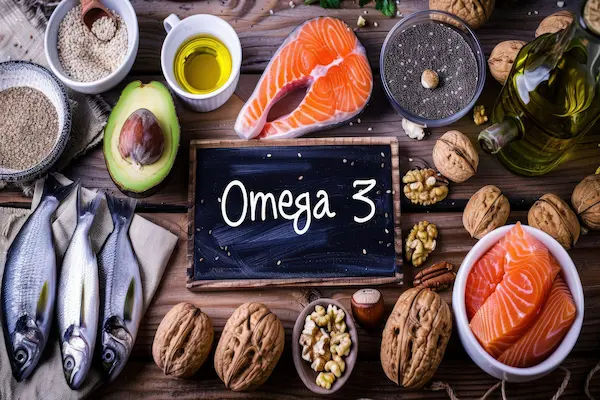
Omega-3s, particularly EPA (eicosapentaenoic acid) and DHA (docosahexaenoic acid), are crucial. DHA is a major structural component of the brain, essential for memory and learning. For the heart, omega-3s help reduce triglycerides, lower blood pressure, decrease inflammation, and prevent plaque formation in arteries. Naturally incorporating omega-3s is a cornerstone of a protective diet.
Flavonoids and Antioxidants: The Cellular Defense Squad
Flavonoids are plant compounds with powerful antioxidant and anti-inflammatory effects. Antioxidants combat oxidative stress—a process that damages cells and is linked to aging, heart disease, and cognitive decline. Berries, dark chocolate, and tea are rich in flavonoids that have been shown to improve blood flow to the brain, enhance memory, and protect LDL cholesterol from oxidation, a key step in heart disease.
Key Vitamins and Minerals: B Vitamins, Vitamin E, and Magnesium
Ensure your heart and brain stay healthy by including these essential vitamins and minerals in your diet:
• B Vitamins (especially B6, B9, B12): These are critical for homocysteine metabolism. High levels of homocysteine are a risk factor for both cardiovascular disease and dementia.
• Vitamin E: A potent antioxidant that protects cell membranes from free radical damage. It's associated with slower cognitive decline and helps prevent the oxidation of LDL cholesterol.
• Magnesium: This mineral supports hundreds of biochemical reactions, including those that regulate blood pressure and nerve function, making it vital for both heart and brain.
Top 10 Superfoods for Your Heart and Brain
Here is a practical list of the best foods to incorporate into your diet for dual protection.
1. Fatty Fish: The Omega-3 Powerhouse
Salmon, mackerel, sardines, and herring are the best sources of EPA and DHA. Aim for two servings per week. Studies link regular consumption to a lower risk of heart attacks, strokes, and age-related brain changes.
2. Berries: Nature's Antioxidant Candy
Blueberries, strawberries, and raspberries are packed with flavonoids called anthocyanins. These compounds improve neuronal communication, reduce inflammation, and may delay brain aging by several years.
3. Leafy Green Vegetables: The Vitamin K and Folate Boost
Kale, spinach, and collards are rich in vitamin K, lutein, folate, and beta-carotene. Research suggests these nutrients may help slow cognitive decline and are integral to a heart-healthy, blood-pressure-lowering diet.
4. Nuts and Seeds: Healthy Fats and Vitamin E
Walnuts (which also contain ALA, a plant-based omega-3), almonds, and flaxseeds are excellent sources of healthy fats, protein, and vitamin E. Regular nut consumption is linked to a reduced risk of heart disease.
5. Whole Grains: Fuel for a Steady Heart and Mind
Oats, quinoa, and brown rice provide steady glucose—the brain's primary fuel source. Their high fibre content helps reduce LDL cholesterol and stabilise blood pressure.
6. Legumes: Fibre and Protein for Sustained Energy
Beans and lentils are packed with fibre, which supports healthy gut bacteria linked to reduced inflammation, and polyphenols that benefit brain health.
7. Avocado: Monounsaturated Fat for Healthy Cholesterol
Avocados are rich in monounsaturated fats, which can help reduce LDL cholesterol and are a great source of the antioxidant glutathione, which is beneficial for the brain.
8. Dark Chocolate: A Sweet Source of Flavanols
Choose dark chocolate with at least 70% cocoa. Its flavanols improve blood flow to both the heart and brain and have been shown to boost cognitive function.
9. Turmeric: Curcumin’s Powerful Anti-Inflammatory Effects
The active compound in turmeric, curcumin, can cross the blood-brain barrier and has been shown to directly reduce brain inflammation and amyloid plaques associated with Alzheimer's.
10. Green Tea: Catechins for Cognitive and Cardiovascular Health
Green tea is rich in catechins, antioxidants that protect brain cells from damage and have been associated with a lower risk of heart disease.
Beyond the Plate: A Holistic Approach to Vitality
Food is powerful, but it's only one piece of the puzzle. A truly resilient heart and brain require a holistic lifestyle.
The Importance of Regular Physical Activity
Exercise is a miracle drug. It lowers blood pressure, improves cholesterol, reduces stress, and stimulates the release of chemicals in the brain that support neuron health and survival. Aim for at least 150 minutes of moderate-intensity activity per week.
Sleep: The Non-Negotiable Reset for Heart and Brain
During deep sleep, your body repairs itself. The brain clears out toxic waste byproducts that accumulate during the day, a process crucial for preventing neurodegenerative diseases. Poor sleep is linked to hypertension and a higher risk of heart disease. If you consistently struggle with sleep, it may be a sign of an underlying issue. Consulting a doctor online with Apollo24|7 can help you identify potential causes and find solutions.
Stress Management Techniques
Chronic stress elevates cortisol levels, which can increase blood pressure, blood sugar, and abdominal fat—all risk factors for heart and brain disease. Practices like meditation, deep breathing, yoga, or even daily walks are essential for managing stress.
Conclusion
Caring for your heart and brain is not about following a restrictive short-term diet; it's about embracing a sustainable, nutrient-rich lifestyle. The connection between these two vital organs is undeniable, and the path to protecting them is remarkably aligned. By consistently incorporating the superfoods for a healthy heart and brain discussed in this guide—fatty fish, berries, leafy greens, and more—you provide your body with the essential tools to fight inflammation, improve blood flow, and protect against cellular damage. Remember to extend this care beyond your plate by staying active, prioritising restorative sleep, and managing stress. Start with small, manageable changes, like adding a handful of berries to your breakfast or taking a daily walk. Your future self—with a stronger heart and a sharper mind—will thank you for the investment you make today.
Consult a Dietitian/Nutritionist for the best advice
Consult a Dietitian/Nutritionist for the best advice

Dr Venkata Naga Sai Tribhushan Rambhatla
General Physician
3 Years • MBBS
Bengaluru
PRESTIGE SHANTHINIKETAN - SOCIETY CLINIC, Bengaluru

Ms. Sushma Jaiswal
Dietician
42 Years • M.Sc.(Food & Nutrition)
Bengaluru
Swasthya Nutrition, Bengaluru

Ms. Neelanjana J
Dietician
5 Years • Bsc., Msc. Nutrition and Dietetics specialised general weight management, PCOS/PCOD weight loss and Diabetes management. A clinical dietitian with 4+ year experience specializing in evidence-based, result-oriented nutrition therapy. I have extensive experience in weight loss, thyroid management, PCOD/PCOS, weight gain, and diabetes & prediabetes care. My approach is personalized, practical, and sustainable—focusing on helping individuals achieve long-term lifestyle change rather than quick fixes. I work closely with clients to understand their medical history, lifestyle, and goals, and then design customized diet plans that support hormonal balance, metabolic health, and overall wellbeing. My goal is to make nutrition simple, realistic, and effective—so you see measurable results and feel your healthiest self.Auther in Health benefits of jackfruit (Artocarpus heterophyllus Lam.) seeds: A review (2023) The Pharma Innovation Journal Co- Auther in Malnutrition in Women: A review (2023) The Pharma Innovation Journal. Highfield Level 3 in HACCP. Highfield Level 4 International Award in Food Safety Managment
Bengaluru
Apollo Clinic, JP nagar, Bengaluru

Ms. Sreeparna Dey Dhara Deb
Dietician
10 Years • DNHE
Bansdroni
Siddhita Healthcare., Bansdroni

Dr. Eti Jain
Dietician
11 Years • MSc in Nutrition
Gurugram
Diets by Dietitian Eti, Gurugram
Consult a Dietitian/Nutritionist for the best advice
Dr Venkata Naga Sai Tribhushan Rambhatla
General Physician
3 Years • MBBS
Bengaluru
PRESTIGE SHANTHINIKETAN - SOCIETY CLINIC, Bengaluru
Ms. Sushma Jaiswal
Dietician
42 Years • M.Sc.(Food & Nutrition)
Bengaluru
Swasthya Nutrition, Bengaluru
Ms. Neelanjana J
Dietician
5 Years • Bsc., Msc. Nutrition and Dietetics specialised general weight management, PCOS/PCOD weight loss and Diabetes management. A clinical dietitian with 4+ year experience specializing in evidence-based, result-oriented nutrition therapy. I have extensive experience in weight loss, thyroid management, PCOD/PCOS, weight gain, and diabetes & prediabetes care. My approach is personalized, practical, and sustainable—focusing on helping individuals achieve long-term lifestyle change rather than quick fixes. I work closely with clients to understand their medical history, lifestyle, and goals, and then design customized diet plans that support hormonal balance, metabolic health, and overall wellbeing. My goal is to make nutrition simple, realistic, and effective—so you see measurable results and feel your healthiest self.Auther in Health benefits of jackfruit (Artocarpus heterophyllus Lam.) seeds: A review (2023) The Pharma Innovation Journal Co- Auther in Malnutrition in Women: A review (2023) The Pharma Innovation Journal. Highfield Level 3 in HACCP. Highfield Level 4 International Award in Food Safety Managment
Bengaluru
Apollo Clinic, JP nagar, Bengaluru
Ms. Sreeparna Dey Dhara Deb
Dietician
10 Years • DNHE
Bansdroni
Siddhita Healthcare., Bansdroni
Dr. Eti Jain
Dietician
11 Years • MSc in Nutrition
Gurugram
Diets by Dietitian Eti, Gurugram
Frequently Asked Questions
1. What is the single best food for both heart and brain health?
While no single food is a magic bullet, fatty fish like salmon is often cited as a top contender due to its high concentration of EPA and DHA Omega-3 fatty acids, which have proven, powerful benefits for reducing inflammation and supporting both cardiovascular and cognitive function.
2. Can I get enough Omega-3s from plant sources if I'm vegetarian?
Yes, you can. Plant-based sources like walnuts, flaxseeds, chia seeds, and hemp seeds contain ALA (alpha-linolenic acid), a type of omega-3. However, the body must convert ALA into EPA and DHA, and this process is inefficient. Therefore, vegetarians and vegans should be diligent about including these foods daily and may consider an algae-based EPA/DHA supplement.
3. How quickly will I see improvements in my brain function after changing my diet?
Cognitive changes are often subtle and gradual. You might notice improved energy, less 'brain fog,' and better focus within a few weeks to months. Long-term structural benefits, like reduced risk of cognitive decline, accumulate over years of consistent healthy eating.
4. Is coffee good or bad for my heart and brain?
For most people, moderate coffee consumption (3-4 cups per day) is associated with benefits, including a reduced risk of Parkinson's disease, Alzheimer's, and some heart conditions, thanks to its high antioxidant content. However, excessive consumption can lead to anxiety, jitters, and high blood pressure in some individuals.
5. Are 'superfood' powders and supplements as good as whole foods?
Whole foods are almost always superior. They contain a complex matrix of fibre, vitamins, minerals, and phytonutrients that work synergistically, which isolated supplements cannot replicate. Think of supplements as a 'top-up' for specific deficiencies, not a replacement for a nutrient-dense diet.