


Top 10 Best Sources of Omega-3 for Heart Health
Discover the top 10 Omega-3 foods for heart health, including plant-based omega options, portion tips, safety, and FAQs from trusted medical sources.

Introduction
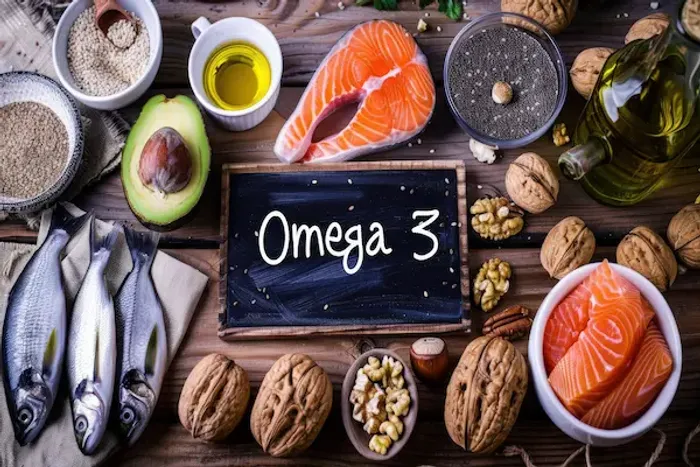
If you’re looking to support heart health through your diet, Omega-3 foods belong on your shopping list. Omega-3 fatty acids are essential fats your body can’t make on its own. They are linked with healthy triglyceride levels, a modest reduction in blood pressure, and overall cardiovascular support. You can get them from both seafood and plant-based omega sources, and learning the best options makes it simple to include them in everyday meals.
Consult a Top General Practitioner for Personalised Advice
There are Three Main Types of Omega-3s:
- EPA (eicosapentaenoic acid) and DHA (docosahexaenoic acid): mostly found in fish and marine algae, and strongly associated with heart benefits.
- ALA (alpha-linolenic acid): found in plants like flaxseed, chia, walnuts, and canola oil. The body can convert only a small amount of ALA into EPA and DHA, so it’s helpful to include direct sources of EPA/DHA as well when possible.
Top 10 Sources of Easy and Delicious Omega-3s
Top 10 Omega-3 foods for heart health
1) Salmon
- Why it’s great: Salmon is one of the richest food sources of EPA and DHA. Regularly including salmon can help you meet omega-3 needs that support heart health.
- How to eat it: Bake, grill, or poach. Try salmon with lemon and herbs, in grain bowls, or flaked over salads.
- Smart tip: Canned salmon is a budget-friendly, ready-to-eat option. Look for low-sodium varieties.
2) Sardines
- Why it’s great: These small fish pack a big omega-3 punch and come conveniently canned in water or olive oil.
- How to eat it: Toss on whole-grain toast, into pasta, or mash with mustard, lemon, and herbs for a quick spread.
- Smart tip: Sardines are low in mercury and high in calcium (when you eat the soft bones).
3) Mackerel (Atlantic or Pacific)
- Why it’s great: Mackerel is another top-tier EPA/DHA source. However, note that king mackerel is high in mercury—choose Atlantic or Pacific mackerel instead.
- How to eat it: Grill fillets with a squeeze of citrus, or add smoked mackerel to salads.
- Smart tip: Check labels for the species to avoid king mackerel.
4) Herring
- Why it’s great: Herring provides robust amounts of EPA and DHA and is common in many cuisines (pickled, smoked, or grilled).
- How to eat it: Enjoy as a topper for rye bread, in salads, or lightly pan-seared
- Smart tip: If you’re watching sodium, compare labels—some pickled versions can be high in salt.
5) Trout (especially rainbow trout)
- Why it’s great: Freshwater trout offers EPA and DHA with a mild flavor that’s family-friendly.
- How to eat it: Pan-sear with a sprinkle of pepper and paprika, then serve with roasted vegetables.
- Smart tip: Rainbow trout often ranks well for sustainability.
6) Oysters and mussels
- Why they’re great: Shellfish like oysters and mussels provide omega-3s plus minerals such as zinc and iron.
- How to eat them: Steam mussels with garlic and tomatoes; enjoy oysters baked or lightly grilled.
- Smart tip: Frozen, pre-cooked mussels are a quick protein for weeknight meals.
7) Flaxseeds and flaxseed oil
- Why it’s great: Flax is one of the richest plant sources of ALA, which the body can convert in small amounts to EPA and DHA.
- How to eat it: Grind whole flaxseeds for better absorption and sprinkle into oatmeal, smoothies, or yoghurt. Flaxseed oil works well in salad dressings (don’t heat it).
- Smart tip: Store ground flaxseed and flax oil in the fridge to protect the delicate fats.
8.) Chia seeds (Plant-based Omega ALA)
- Why it’s great: Chia seeds are an easy way to add ALA. They also bring fibre, which supports overall wellness.
- How to eat it: Make chia pudding, stir into smoothies, or sprinkle over salads and grain bowls.
- Smart tip: Let chia seeds soak in liquid to create a gel-like texture—great for overnight oats.
9) Walnuts (Plant-based Omega ALA)
- Why it’s great: Walnuts offer ALA and crunch, making them a handy snack for heart health.
- How to eat it: Add to salads, oatmeal, or homemade trail mix; blend into walnut pesto.
- Smart tip: Keep walnuts in an airtight container in the fridge or freezer to maintain freshness.
10) Algae-based Omega-3 (Algal oil)
- Why it’s great: Algal oil is a vegan source of EPA and DHA—the same long-chain omega-3s found in fish—making it ideal for those who don’t eat seafood.
- How to use it: Available as supplements and used to fortify some foods. Check labels for EPA/DHA content.
- Smart tip: If you’re fully plant-based, algal oil can help bridge the gap between ALA-rich foods and direct EPA/DHA intake.
Other Good Options To Consider
- Hemp seeds (ALA)
- Canola oil (ALA) for everyday cooking
- Soy foods like edamame and tofu (ALA)
- Omega-3–enriched eggs and some fortified plant milks or yoghurts (check labels)
How Much Omega-3 Do You Need?
The omega-3 requirements include:
- From fish: The American Heart Association advises most adults to eat fish, especially fatty fish, at least two servings per week (a serving is about 3.5 ounces cooked). This pattern supplies heart-friendly amounts of EPA and DHA.
- From plants: The U.S. National Institutes of Health notes Adequate Intakes (AIs) for ALA are about 1.6 g/day for adult men and 1.1 g/day for adult women. Because the body converts only a small amount of ALA to EPA and DHA, combining plant-based omega sources with either fish or algae-based sources is a practical approach for heart health.
Simple Ways to Add Omega-3 Foods
Simple ways to add are:
- Swap one or two red-meat dinners for fish like salmon, trout, or sardines.
- Keep canned salmon or sardines in the pantry for quick lunches.
- Stir ground flaxseed or chia into breakfast (oatmeal, smoothies, yoghurt).
- Choose a handful of walnuts as a snack instead of chips or sweets.
- Use canola oil for sautéing and olive oil for finishing to balance healthy fats.
- If you don’t eat seafood, talk with your clinician about algae-based EPA/DHA.
Safety, Mercury, and Sustainability Tips
Tips for safe use, mercury levels and sustainability tips include:
- Choose low-mercury fish such as salmon, sardines, trout, anchovies, and herring. Limit high-mercury fish like shark, swordfish, king mackerel, and tilefish.
- Pregnant or breastfeeding? Follow FDA/EPA guidance to eat 2–3 servings of low-mercury fish per week and avoid high-mercury species. If you have questions, consult your healthcare provider.
- If you take blood thinners, have a bleeding disorder, or are preparing for surgery, talk with your clinician before starting omega-3 supplements (including fish oil or algal oil).
- Cooking tips: Baking, poaching, or grilling preserves omega-3s well. Deep-frying can degrade delicate fats.
- For sustainability, consider seafood choices rated as “Best” or “Good Alternatives” by reputable guides, and look for products with responsible sourcing certifications.
Plant-based Omega: How to meet Your Needs
You can absolutely support heart health on a plant-forward or vegan diet:
- Make ALA-rich foods daily staples: ground flaxseed, chia seeds, walnuts, hemp seeds, and canola oil.
- Consider adding an algae-based EPA/DHA supplement after discussing with a healthcare professional, especially if you do not eat fish.
- Look for fortified foods (certain plant milks or yoghurts) that include DHA from algal oil.
- Keep an eye on overall diet quality. Fruits, vegetables, whole grains, legumes, and unsaturated fats all contribute to heart health.
Final thoughts
Choosing Omega-3 foods is a simple, tasty way to support heart health. Mix and match fish like salmon or sardines with plant-based omega options such as flax, chia, and walnuts. If you avoid seafood, consider algae-based omega-3s and speak with your healthcare provider about the best approach for you. With a few small shifts, you can build heart-friendly meals you’ll enjoy all week long.
Consult a Top General Practitioner for Personalised Advice
Consult a Top General Practitioner for Personalised Advice

Dr Suseela
General Physician
5 Years • MBBS
Bengaluru
Apollo Medical Center, Marathahalli, Bengaluru

Dr. Rajib Ghose
General Physician/ Internal Medicine Specialist
25 Years • MBBS
East Midnapore
VIVEKANANDA SEBA SADAN, East Midnapore

Dr. Sujay Jagatap
General Practitioner
5 Years • MBBS
Bangalore Rural
Ashwini Clinic., Bangalore Rural

Dr. Anand Ravi
General Physician
2 Years • MBBS, FEM
Bengaluru
PRESTIGE SHANTHINIKETAN - SOCIETY CLINIC, Bengaluru

Dr. Aakash Shah
General Practitioner
6 Years • MBBS, DNB Emergency Medicine
Delhi
AIIMS, Delhi
Consult a Top General Practitioner for Personalised Advice
Dr Suseela
General Physician
5 Years • MBBS
Bengaluru
Apollo Medical Center, Marathahalli, Bengaluru
Dr. Rajib Ghose
General Physician/ Internal Medicine Specialist
25 Years • MBBS
East Midnapore
VIVEKANANDA SEBA SADAN, East Midnapore
Dr. Sujay Jagatap
General Practitioner
5 Years • MBBS
Bangalore Rural
Ashwini Clinic., Bangalore Rural
Dr. Anand Ravi
General Physician
2 Years • MBBS, FEM
Bengaluru
PRESTIGE SHANTHINIKETAN - SOCIETY CLINIC, Bengaluru
Dr. Aakash Shah
General Practitioner
6 Years • MBBS, DNB Emergency Medicine
Delhi
AIIMS, Delhi
Frequently Asked Questions
What’s the difference between ALA, EPA, and DHA?
ALA is the plant form of omega-3 found in foods like flax, chia, walnuts, and canola oil. EPA and DHA are marine omega-3s found in fish and algae. The body can convert only a small amount of ALA into EPA and DHA, so it helps to include direct sources of EPA/DHA (fish or algal oil) along with ALA-rich plant foods.
Are plant-based omega-3s as good as fish for heart health?
Plant-based ALA is beneficial, but because conversion to EPA and DHA is limited, most experts suggest including direct EPA/DHA sources when possible. If you don’t eat fish, algae-based omega-3 (algal oil) offers vegan EPA/DHA and can complement ALA-rich foods.
How much fish should I eat for heart benefits?
Most adults are encouraged to eat fish—especially fatty fish—at least two servings per week. This pattern provides heart-friendly omega-3s (EPA and DHA) without needing to track exact milligrams.
Which fish are lowest in mercury?
Salmon, sardines, trout, anchovies, and herring are generally low in mercury. Limit or avoid high-mercury fish such as shark, swordfish, king mackerel, and tilefish. Pregnant or breastfeeding individuals should follow the FDA/EPA fish advice and consult their healthcare provider.
Do I need an omega-3 supplement?
Many people can meet their needs by eating Omega-3 foods regularly. If you don’t eat fish or have higher needs (for example, as advised by your clinician), an algae-based EPA/DHA supplement or fish oil may help. Always talk with your healthcare provider first, especially if you take blood thinners or have a bleeding disorder.