


High Fibre Foods: Benefits, Lists, and Tips
Discover the benefits of high-fibre foods, explore easy-to-follow food lists, and get practical tips to boost your daily fibre intake.

Written by Dr. D Bhanu Prakash
Reviewed by Dr. Rohinipriyanka Pondugula MBBS
Last updated on 13th Jan, 2026
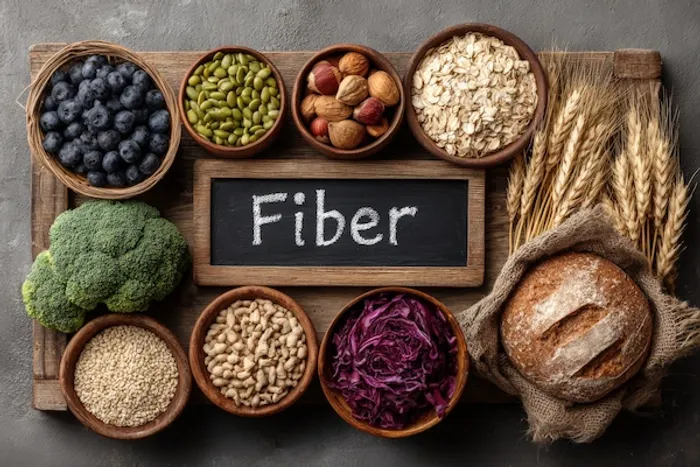
Introduction
Are you feeling sluggish, dealing with digestive discomfort, or looking for a natural way to boost your overall health? The solution might be simpler than you think, lying in a nutrient many of us overlook: dietary fibre. Often hailed as the unsung hero of a balanced diet, fibre is crucial for everything from keeping your digestive system running smoothly to protecting your heart. Yet, most people fall short of their daily recommended intake. This comprehensive guide will demystify dietary fibre, explore its profound health benefits, and provide you with a practical list of delicious high fibre foods to easily incorporate into your meals. We’ll also share tips on how to increase your intake safely and effectively, helping you harness the power of fibre for a healthier, more vibrant life.
What exactly is Dietary Fibre?
Dietary fibre, often called roughage or bulk, is the indigestible part of plant-based foods. Unlike fats, proteins, or carbohydrates, which your body breaks down and absorbs, fibre passes relatively intact through your stomach, small intestine, and colon, and out of your body. This unique journey is what grants fibre its incredible health benefits. It’s primarily categorised into two types, each playing a distinct and vital role.
Soluble Fibre: The Heart Helper
Soluble fibre dissolves in water to form a gel-like material in your gut. This gel helps slow down digestion, which can help you feel fuller for longer and prevent rapid spikes in blood sugar. Crucially, it also binds to fatty acids and cholesterol particles in the digestive system, helping to lower overall cholesterol levels and, specifically, bad LDL cholesterol. This makes it a powerful ally for heart health and cholesterol management. Excellent sources include oats, barley, nuts, seeds, beans, lentils, peas, and some fruits and vegetables like apples and carrots.
Insoluble Fibre: The Digestive Dynamo
As the name suggests, insoluble fibre does not dissolve in water. It adds bulk to the stool and acts like a brush, sweeping through your intestines to keep everything moving. This helps food pass more quickly through the stomach and intestines, preventing constipation and promoting regularity. Think of it as the essential roughage that maintains a healthy digestive tract. You can find ample insoluble fibre for constipation relief in whole grains, wheat bran, vegetables like cauliflower and green beans, and nuts.
Consult a Nutritionist for the best advice
Why Your Body Craves Fibre: Top Health Benefits
Incorporating a variety of high fibre foods into your diet offers a multitude of science-backed health advantages that extend far beyond the digestive system.
Digestive Health and Regularity
This is fibre’s most well-known role. It normalizes bowel movements by absorbing water, softening the stool, and adding necessary bulk. This makes it easier to pass, effectively preventing and alleviating constipation. Furthermore, a high fibre diet may reduce your risk of developing haemorrhoids and small pouches in your colon (diverticular disease).
Heart Health and Cholesterol Management
Studies consistently show a link between a high-fibre diet and a reduced risk of heart disease. Soluble fibre, in particular, has been shown to help lower LDL cholesterol levels by interfering with the absorption of dietary cholesterol. It also helps reduce blood pressure and inflammation, further contributing to cardiovascular wellness.
Weight Management and Satiety
High fibre foods are a cornerstone of weight management strategies. They tend to be more filling than low-fibre foods, so you’re likely to eat less and stay satisfied longer, reducing overall calorie intake. They also generally require more chewing, which can slow down your eating and give your body time to register when it's full.
Blood Sugar Control
For individuals with diabetes or pre-diabetes, fibre, particularly soluble fibre, can be incredibly beneficial. By slowing the absorption of sugar, it helps improve blood sugar levels, preventing the sharp spikes and crashes that can be problematic. A healthy fibre rich diet can lower your risk of developing type 2 diabetes.
How Much Fibre Do You Really Need?
The daily fibre requirement varies by age and gender. According to general guidelines:
- Men (aged 19-50): Aim for 38 grams per day.
- Women (aged 19-50): Aim for 25 grams per day.
- For adults over 50, the requirement is slightly less due to decreased food consumption (30 grams for men and 21 grams for women).
Most people consume only about 15 grams a day, so there’s a good chance you have room for improvement!
Your Comprehensive List of High Fibre Foods
Here is a categorised list of some of the best high fibre fruits, vegetables, grains, and more to help you hit your daily target.
Fibre-Rich Legumes and Pulses
A powerhouse of nutrition, legumes are among the richest sources of fibre.
- Lentils (1 cup, cooked): 15.6 grams
- Split Peas (1 cup, cooked): 16.3 grams
- Black Beans (1 cup, cooked): 15 grams
- Chickpeas (1 cup, cooked): 12.5 grams
Whole Grains for Sustained Energy
Swap refined grains for these whole-grain options to significantly boost your intake.
- Pearled Barley (1 cup, cooked): 6 grams
- Oatmeal (1 cup, cooked): 4 grams
- Quinoa (1 cup, cooked): 5 grams
- Whole-Wheat Pasta (1 cup, cooked): 6.3 grams
- Popcorn (3 cups, air-popped): 3.5 grams
Power-Packed Nuts and Seeds
A perfect snack, nuts and seeds provide healthy fats, protein, and fibre.
- Chia Seeds (1 oz): 10.6 grams
- Flaxseeds (1 tbsp, whole): 2.8 grams
- Almonds (1 oz): 3.5 grams
- Pistachios (1 oz): 3 grams
Vibrant Fruits for a Sweet Fibre Boost
Fruits are a delicious way to meet your fibre goals.
- Raspberries (1 cup): 8 grams
- Pear (1 medium, with skin): 5.5 grams
- Apple (1 medium, with skin): 4.4 grams
- Banana (1 medium): 3.1 grams
- Avocado (½ fruit): 6.7 grams
Versatile Vegetables to Fill Your Plate
Load your plate with these fibrous veggies.
- Artichoke (1 medium, cooked): 10.3 grams
- Green Peas (1 cup, cooked): 8.8 grams
- Broccoli (1 cup, cooked): 5.1 grams
- Brussels Sprouts (1 cup, cooked): 4.1 grams
Sample High-Fibre Meal Plan for a Day
Here’s a simple way to add more fibre to your diet.
- Breakfast: 1 cup of oatmeal made with water, topped with 1 cup of raspberries and 1 tbsp of chia seeds. (~18g fibre)
- Lunch: A large salad with mixed greens, ½ cup of chickpeas, ½ an avocado, and your favorite protein. (~15g fibre)
- Snack: An apple with a handful of almonds. (~7g fibre)
- Dinner: 1 cup of whole-wheat pasta with a marinara sauce packed with sautéed mushrooms, onions, and spinach. (~10g fibre)
- Total: ~50 grams of fibre (well above the daily goal!).
Smart Tips for Increasing Your Fibre Intake Safely
Safe and smart ways to boost your fibre intake:
1. Go Slow and Steady: Suddenly drastically increasing fibre can cause gas, bloating, and cramps. Add just a few grams each day over several weeks.
2. Hydrate, Hydrate, Hydrate: Fibre works best when it absorbs water. Drink plenty of fluids throughout the day to help fibre do its job and prevent constipation.
3. Read Food Labels: Choose products that have a higher "Dietary Fibre" content. Aim for foods with at least 3-4 grams per serving.
4. Don't Peel Everything: The skin on fruits and vegetables like apples, potatoes, and cucumbers is often where a significant amount of fibre resides.
5. Smart Swaps: Choose whole fruit over juice, brown rice over white, and whole-grain bread over white bread.
Potential Side Effects of Adding Fibre Too Quickly
As mentioned, a rapid increase can lead to gastrointestinal distress. If you experience significant bloating, gas, or abdominal pain that doesn't subside, it may be worth evaluating your approach. If symptoms persist beyond two weeks, consult a doctor online with Apollo24|7 for further evaluation to rule out other underlying digestive conditions.
Conclusion
Embracing a diet rich in high fibre foods is one of the most powerful and accessible steps you can take for your long-term health. It’s not about a drastic overhaul but about making consistent, smart choices, like choosing an apple over apple juice, adding lentils to your soup, or sprinkling seeds on your salad. These small changes compound into significant benefits for your digestion, heart, and overall well-being. Remember to listen to your body, increase your intake slowly, and pair it with adequate hydration. If you have specific health concerns or conditions, such as Irritable Bowel Syndrome (IBS), it's always wise to seek personalised advice. If your condition does not improve after trying these methods,consult a doctor to create a tailored nutritional plan that’s right for you. Start your fibre journey today; your body will thank you for it.
Consult a Nutritionist for the best advice
Consult a Nutritionist for the best advice

Ms. Samapti Maity
Dietician
16 Years • MSc. (Clinical Nutrition & Dietitics), NDEP, Course in Maternal Infant Young Child Nutrition.Diploma in Sports Nutrition, Diploma in Diabetic educator, FODMAP Specialist
Kolkata
BIENETRE CLINIC, Kolkata

Ms. Soma Saha
clinical nutrition
17 Years • B.Sc. - Home Science (Food & Nutrition), M.Sc. - Home Science (Food & Nutrition)
Kolkata
Dr Utsa Basu Clinic, Kolkata

(50+ Patients)

Ms. Sushma Jaiswal
Dietician
42 Years • M.Sc.(Food & Nutrition)
Bengaluru
Swasthya Nutrition, Bengaluru

Ms. Neelanjana J
Dietician
5 Years • Bsc., Msc. Nutrition and Dietetics specialised general weight management, PCOS/PCOD weight loss and Diabetes management. A clinical dietitian with 4+ year experience specializing in evidence-based, result-oriented nutrition therapy. I have extensive experience in weight loss, thyroid management, PCOD/PCOS, weight gain, and diabetes & prediabetes care. My approach is personalized, practical, and sustainable—focusing on helping individuals achieve long-term lifestyle change rather than quick fixes. I work closely with clients to understand their medical history, lifestyle, and goals, and then design customized diet plans that support hormonal balance, metabolic health, and overall wellbeing. My goal is to make nutrition simple, realistic, and effective—so you see measurable results and feel your healthiest self.Auther in Health benefits of jackfruit (Artocarpus heterophyllus Lam.) seeds: A review (2023) The Pharma Innovation Journal Co- Auther in Malnutrition in Women: A review (2023) The Pharma Innovation Journal. Highfield Level 3 in HACCP. Highfield Level 4 International Award in Food Safety Managment
Bengaluru
Apollo Clinic, JP nagar, Bengaluru

Dr. Ramalinga Reddy
General Physician
5 Years • MBBS MD General medicine
Bengaluru
PRESTIGE SHANTHINIKETAN - SOCIETY CLINIC, Bengaluru
Consult a Nutritionist for the best advice
Ms. Samapti Maity
Dietician
16 Years • MSc. (Clinical Nutrition & Dietitics), NDEP, Course in Maternal Infant Young Child Nutrition.Diploma in Sports Nutrition, Diploma in Diabetic educator, FODMAP Specialist
Kolkata
BIENETRE CLINIC, Kolkata
Ms. Soma Saha
clinical nutrition
17 Years • B.Sc. - Home Science (Food & Nutrition), M.Sc. - Home Science (Food & Nutrition)
Kolkata
Dr Utsa Basu Clinic, Kolkata
(50+ Patients)
Ms. Sushma Jaiswal
Dietician
42 Years • M.Sc.(Food & Nutrition)
Bengaluru
Swasthya Nutrition, Bengaluru
Ms. Neelanjana J
Dietician
5 Years • Bsc., Msc. Nutrition and Dietetics specialised general weight management, PCOS/PCOD weight loss and Diabetes management. A clinical dietitian with 4+ year experience specializing in evidence-based, result-oriented nutrition therapy. I have extensive experience in weight loss, thyroid management, PCOD/PCOS, weight gain, and diabetes & prediabetes care. My approach is personalized, practical, and sustainable—focusing on helping individuals achieve long-term lifestyle change rather than quick fixes. I work closely with clients to understand their medical history, lifestyle, and goals, and then design customized diet plans that support hormonal balance, metabolic health, and overall wellbeing. My goal is to make nutrition simple, realistic, and effective—so you see measurable results and feel your healthiest self.Auther in Health benefits of jackfruit (Artocarpus heterophyllus Lam.) seeds: A review (2023) The Pharma Innovation Journal Co- Auther in Malnutrition in Women: A review (2023) The Pharma Innovation Journal. Highfield Level 3 in HACCP. Highfield Level 4 International Award in Food Safety Managment
Bengaluru
Apollo Clinic, JP nagar, Bengaluru
Dr. Ramalinga Reddy
General Physician
5 Years • MBBS MD General medicine
Bengaluru
PRESTIGE SHANTHINIKETAN - SOCIETY CLINIC, Bengaluru
More articles from Diet for Constipation

Frequently Asked Questions
What are the best high fibre foods for constipation?
Foods rich in insoluble fibre are excellent for promoting regularity. Great choices include whole wheat bran, popcorn, nuts, beans, cauliflower, and green beans. Remember to drink lots of water!
Can I just take a fibre supplement instead of eating high fibre foods?
While supplements like psyllium husk can be helpful, especially for reaching your daily target, they shouldn't replace whole foods. Whole foods provide a complex package of fibre, vitamins, minerals, and antioxidants that supplements can't fully replicate.
Are there high fibre, low carb foods?
Absolutely. Many non-starchy vegetables are perfect for a high fibre low carb diet. Think leafy greens (spinach, kale), broccoli, cauliflower, Brussels sprouts, and avocados. Nuts and seeds like flaxseeds and chia seeds are also great options.
I feel gassy after eating beans. How can I prevent this?
This is common! To reduce the gas-producing compounds, try soaking dried beans for several hours and discarding the water before cooking. You can also start with smaller portions of easier-to-digest lentils and gradually build up your tolerance.
How can I get more fibre at breakfast?
Breakfast is a perfect opportunity! Opt for oatmeal or a whole-grain cereal, add berries and nuts or seeds (chia, flax, almonds) to your yoghurt, or choose whole-wheat toast. A smoothie with spinach and fruit is another great option.