


Your Ultimate Guide to High Fibre Foods: Benefits, Lists, and Tips
Discover the benefits of high fibre foods, explore the best sources, and learn simple tips to boost your intake for better digestion, heart health, and weight management.

Written by Dr. Vasanthasree Nair
Reviewed by Dr. Rohinipriyanka Pondugula MBBS
Last updated on 13th Jan, 2026
Introduction
Ever feel like your digestive system is running on a slow, bumpy road? You're not alone. In our modern diets of processed foods, one crucial nutrient often gets left behind: dietary fibre. But fibre is far more than just a tool for regularity; it's a powerhouse nutrient essential for long-term health, weight management, and disease prevention. This comprehensive guide will demystify high fibre foods, moving beyond a simple list to show you how to seamlessly integrate them into your life. We'll explore the different types of fibre, unveil a categorised shopping list of the best sources, and provide practical tips to boost your intake without the discomfort. Get ready to transform your health from the inside out.
What Exactly is Dietary Fibre and Why Do You Need It?
Dietary fibre, often called roughage, is the indigestible part of plant foods. Unlike fats, proteins, or carbohydrates, which your body breaks down and absorbs, fibre passes relatively intact through your stomach, small intestine, and colon and out of your body. This unique journey is what grants fibre its incredible health benefits. It acts like an internal broom, cleansing your digestive system and feeding the beneficial bacteria in your gut, which is crucial for overall wellness. A diet rich in high fibre foods is consistently linked to a lower risk of heart disease, stroke, type 2 diabetes, and colorectal cancer. It’s the unsung hero of a healthy diet, and most people simply aren't getting enough.
Soluble vs. Insoluble Fibre: Understanding the Difference
Not all fibre is created equal. It comes in two main forms, each with distinct functions:
Soluble Fibre: This type dissolves in water to form a gel-like material. It can help lower blood cholesterol and glucose levels. Think of it as a sponge that soaks up undesirable elements. Excellent sources include oats, peas, beans, apples, citrus fruits, carrots, and barley.
Insoluble Fibre: This type promotes the movement of material through your digestive system and increases stool bulk, making it a boon for those who struggle with constipation or irregular stools. Think of it as a broom that sweeps through your intestines. Find it in whole grains, nuts, beans, cauliflower, green beans, and potatoes.
Most plant-based foods contain a mix of both, so eating a wide variety is the best strategy.
The Recommended Daily Intake: How Much Fibre Do You Really Need?
The Academy of Nutrition and Dietetics recommends a daily intake of 25 grams for women and 38 grams for men. However, most adults consume less than half of that amount. To put it into perspective, reaching 25 grams might look like: eating a bowl of high-fibre cereal (5g), one pear (5g), a half-cup of lentils (8g), and a cup of mixed vegetables (4g). If your current diet is low in fibre, increase your intake gradually over a few weeks to allow your digestive system to adjust and to avoid gas and bloating.
Consult a Nutritionist for Personalised Advice
Top 10 Powerhouse High Fibre Foods to Add to Your Diet
Chia Seeds: A true superfood. Just 2 tablespoons pack a whopping 10 grams of fibre.
Lentils: One cup of cooked lentils provides about 15.5 grams of fibre, along with a huge protein punch.
Avocado: Forget the fat fear; one avocado offers 13-15 grams of fibre and heart-healthy monounsaturated fats.
Raspberries: One of the highest-fibre fruits, with 8 grams per cup.
Black Beans: A staple for a reason. One cup contains 15 grams of fibre and is incredibly versatile.
Pear: With the skin on, a medium pear provides about 5.5 grams of fibre.
Oats: A classic high fibre breakfast choice. One cup of cooked oats has 4 grams of fibre, primarily the cholesterol-lowering soluble kind.
Almonds: A great snack; a one-ounce serving (about 23 nuts) has 3.5 grams of fibre.
Broccoli: One cup of cooked broccoli offers 5 grams of fibre and is packed with nutrients.
Popcorn: A surprising whole grain! Air-popped popcorn has about 3.5 grams of fibre per 3-cup serving.
High Fibre Foods Categorised for Easy Shopping
Fibre-Rich Fruits and Vegetables
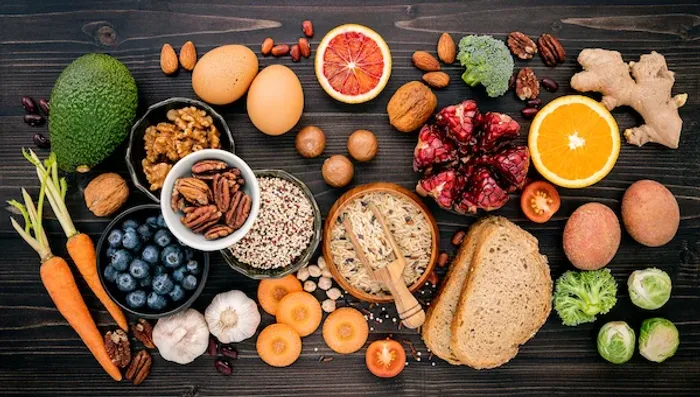
Fruits: Berries (raspberries, blackberries), pears (with skin), apples (with skin), oranges, bananas, strawberries.
Vegetables: Green peas, broccoli, Brussels sprouts, potatoes (with skin), sweet corn, artichokes, carrots.
Legumes, Nuts, and Seeds: The Fibre Giants
Legumes: Lentils, black beans, chickpeas (garbanzo beans), kidney beans, split peas.
Nuts & Seeds: Chia seeds, flaxseeds, almonds, pistachios, sunflower seeds.
Whole Grains for Sustained Energy and Digestion
Whole wheat pasta and bread, barley, quinoa, brown rice, oatmeal, bran flakes.
Beyond Digestion: The Surprising Health Benefits of a High Fibre Diet
Supporting Heart Health and Cholesterol Levels
Soluble fibre found in oats, beans, and apples can help lower LDL ("bad") cholesterol levels by interfering with the absorption of dietary cholesterol into your bloodstream. Studies have shown that increasing soluble fibre by 5-10 grams per day can lead to a 5% reduction in LDL cholesterol.
Aiding in Weight Management and Blood Sugar Control
High fibre foods are more filling than low-fibre foods, so you're likely to eat less and stay satisfied longer, which helps with weight control. For people with diabetes, fibre, particularly soluble fibre, can slow the absorption of sugar and help improve blood sugar levels. This makes a diet focused on soluble fibre foods a powerful tool for metabolic health.
How to Sneak More Fibre into Your Daily Meals (Without the Bloat)
Increasing your fibre intake too quickly is a common cause of gas and cramping. The key is to be gradual and consistent.
Simple Swaps for a Fibre Boost
Breakfast: Swap sugary cereal for oatmeal or bran flakes. Top with berries and chia seeds.
Lunch: Choose whole wheat bread over white. Add beans or chickpeas to your salad.
Dinner: Use brown rice instead of white. Incorporate lentils into soups, stews, and pasta sauces.
Snacks: Reach for raw vegetables with hummus, a handful of nuts, or a piece of fruit instead of processed snacks.
Sample High Fibre Meal Plan Ideas
Breakfast: Greek yoghurt with 1/2 cup raspberries and 1 tbsp flaxseed.
Lunch: Large salad with mixed greens, 1/2 cup chickpeas, grilled chicken, and avocado.
Snack: Apple with a tablespoon of almond butter.
Dinner: 4 oz baked salmon with 1 cup of steamed broccoli and 1/2 cup of quinoa.
Unique Insight: Don't just focus on the fibre! A sudden increase can cause discomfort. The secret is to simultaneously dramatically increase your water intake. Fibre works by absorbing water, so without proper hydration, it can have the opposite effect and lead to constipation. Aim for an extra glass of water with every high-fibre meal.
Important Considerations and Potential Side Effects
While increasing fibre intake is beneficial for most, it's important to do it wisely. As mentioned, a sudden spike can cause abdominal gas, bloating, and cramping. Introduce high-fibre foods gradually over a few weeks. If you have a chronic digestive condition like Irritable Bowel Syndrome (IBS), certain high-fibre foods (like beans or cruciferous vegetables) might be triggers. It's best to identify your personal triggers. If you experience persistent digestive discomfort, bloating, or pain after adjusting your diet, it's advisable to consult a doctor online with Apollo24|7 for personalised advice. They can help rule out underlying conditions and guide you on the best approach for your gut health.
Conclusion
Incorporating more high fibre foods into your diet is one of the most impactful and simple changes you can make for your long-term health. It’s not about a restrictive diet but about embracing a diverse world of plants—fruits, vegetables, whole grains, nuts, and legumes. The benefits are profound, from a smoothly running digestive system and a healthier heart to better weight management and stable blood sugar. Start with one swap today, like choosing brown rice over white or adding a handful of berries to your breakfast. Be patient with your body as it adjusts, and remember to drink plenty of water. Your gut—and the rest of your body—will thank you for years to come. Ready to take the next step? Use this guide as your roadmap to a healthier, more vibrant you.
Consult a Nutritionist for Personalised Advice
Consult a Nutritionist for Personalised Advice

Dr. Ramalinga Reddy
General Physician
5 Years • MBBS MD General medicine
Bengaluru
PRESTIGE SHANTHINIKETAN - SOCIETY CLINIC, Bengaluru

Dt. Ila Sharma
Clinical Nutritionist
18 Years • Master in food & Nutrition
Gurugram
VIPUL GREENS - SOCIETY CLINIC, Gurugram

Dt. Prabhavathy
Clinical Nutritionist
8 Years • Msc Human Nutrition & Nutraceuticals
Madurai
Apollo Sugar Clinics, Madurai, Madurai

Ms. Bhavana Shetty
Dietician
7 Years • DDHN & Masters in Clinical Nutrition & Dietetics
Bangalore
Apollo Sugar Clinic, Seetha circle bangalore, Bangalore

Dr Sumanth R
General Physician
2 Years • MBBS
Bengaluru
PRESTIGE SHANTHINIKETAN - SOCIETY CLINIC, Bengaluru
More articles from Diet for Constipation

Frequently Asked Questions
1. What are the best high fibre foods for constipation?
Foods rich in insoluble fibre are particularly helpful. Focus on whole wheat bran, vegetables like broccoli and leafy greens, nuts, and seeds like flaxseeds. Prunes are also a classic natural remedy due to their fibre and sorbitol content.
2. Can you have too much fibre? What happens?
Yes, it is possible. Excessive fibre intake, especially if you don't drink enough water, can lead to intestinal gas, bloating, and cramping. In severe cases, it can cause constipation or even intestinal blockage. This is why a gradual increase is key.
3. Are there high fibre, low-carb foods?
Absolutely. Many low-carb vegetables are excellent sources of fibre. Think leafy greens (spinach, kale), broccoli, cauliflower, Brussels sprouts, and avocados. Seeds like chia and flax are also low in net carbs and high in fibre.
4. How can I get more fibre without eating beans?
If beans cause you discomfort, focus on other categories: vegetables like artichokes and peas, fruits like berries and apples, whole grains like oats and quinoa, and nuts and seeds like almonds and sunflower seeds.
5. Do I need a fibre supplement?
It's always best to get fibre from whole foods as they contain other essential vitamins and nutrients. However, if you struggle to meet your needs through diet alone, a supplement like psyllium husk can be helpful. It's best to discuss this with a healthcare professional from Apollo24|7 to choose the right one for you.