


Blackcurrant in Ayurveda: What Science Says About Its Benefits
Explore blackcurrant benefits with an Ayurvedic lens. Learn science-backed nutrition, safe use, dosha tips, and simple ways to add this berry.

Written by Dr. Vasanthasree Nair
Reviewed by Dr. Rohinipriyanka Pondugula MBBS
Last updated on 14th Jan, 2026
Introduction
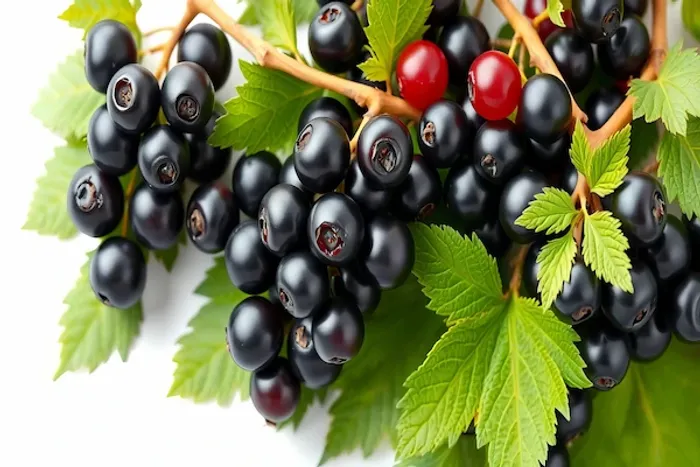
Blackcurrants (Ribes nigrum) are small, deep-purple berries known for their tangy flavour and rich nutrient profile. People often ask about blackcurrant benefits and whether this berry fits into an Ayurvedic lifestyle. The short answer: blackcurrants can be a nourishing, everyday food, and modern Ayurvedic nutrition can thoughtfully include them. This article blends practical Ayurveda-inspired guidance with evidence-based insights so you can enjoy blackcurrants safely and with purpose.
What are Blackcurrants?
Some basics on black currants include:
- A cold-climate berry native to Europe and parts of Asia
- Naturally rich in vitamin C, polyphenols (especially anthocyanins), and fibre
- Eaten fresh, frozen, dried, as juice, or in powders/jams
- Blackcurrant seed oil is used as a supplement, but food-first approaches are preferred for most people



Science-Backed Blackcurrant Benefits
While Ayurvedic texts do not classically list blackcurrants, modern nutrition research helps explain why these berries are valued. Much of the evidence comes from broader berry and flavonoid research, with some studies specifically on blackcurrants.
Key potential health-supporting roles include:
1) Immune support
- Blackcurrants are naturally high in vitamin C, which supports normal immune function and helps the body protect cells from oxidative stress.
- Whole fruits also deliver fibre and plant compounds that support overall health.
2) Heart and vascular health
- Anthocyanins (the pigments that make blackcurrants purple-black) are a class of flavonoids studied for heart health. Diets rich in anthocyanin-containing fruits are linked to better vascular function and a lower risk of certain cardiovascular outcomes in observational research.
Including a variety of berries as part of a healthy dietary pattern supports heart-healthy habits emphasised by major health organisations.
3) Eye comfort and oxidative stress
- Antioxidants in blackcurrants, notably anthocyanins and vitamin C, help neutralise free radicals.
- While lab and small human studies suggest potential benefits for eye comfort and circulation, evidence is still emerging. Enjoy blackcurrants as part of a balanced diet rather than relying on them for specific eye concerns.
4) Everyday wellness and recovery
- The combination of water content, natural sugars, vitamin C, potassium, and polyphenols can make blackcurrants a refreshing, nutrient-dense choice after activity, alongside other fruits and fluids.
Important note on evidence
- Most supportive data come from studies on flavonoid-rich fruits and berries in general, not just blackcurrants.
- Blackcurrants can contribute to an overall healthy eating pattern; they are not a treatment for disease.
What’s Inside: Key Nutrients at a Glance
The key nutrients include:
- Vitamin C: Supports normal immune function and collagen formation; aids iron absorption from plant foods.
- Anthocyanins: Pigments with antioxidant properties found in purple/blue fruits.
- Fibre: Supports digestive health and helps you feel full.
- Potassium: Helps support normal fluid balance and blood pressure as part of a balanced diet.
Blackcurrant in Ayurveda: An Integrative Perspective
Blackcurrant is not a classical Ayurvedic herb. However, contemporary Ayurvedic nutrition often maps modern foods onto traditional principles to help personalise diet.
General Ayurvedic Lens
- Likely rasa (taste): Predominantly sour with some sweetness and mild astringency (due to tannins).
- Possible virya (energetic effect): Cooling, similar to many juicy, dark berries.
- Vipaka (post-digestive effect): Often, sour foods have a sour post-digestive effect, though this can vary by preparation and individual.
- Potential dosha effects:
- Vata: The sour and slightly sweet profile may help ground Vata when eaten in moderation and not ice-cold.
- Pitta: The sour taste can aggravate Pitta if overused, but the cooling, hydrating quality can be soothing in hot weather when portions are modest.
- Kapha: Sour and sweet tastes may increase Kapha if portions are large; pairing with warming spices and keeping servings small can help.
Practical Ayurvedic Tips
Practical Ayurvedic Tips include:
- Season and timing: Favour in warmer seasons or midday when digestion is strongest.
- Pairings for balance: Combine with warming digestive spices like fresh ginger, cinnamon, or cardamom, especially if you tend toward Kapha or Vata.
- Texture and temperature: Avoid very cold smoothies if you have sluggish digestion; try room-temperature compotes or lightly warmed sauces.
- Portion awareness: A small bowl of fresh or thawed frozen blackcurrants can be enough; overly sour or heavy preparations may unsettle sensitive digestion.
How to Enjoy Blackcurrant Benefits Safely?
Food-first approach
- Fresh or frozen berries: Add to yoghurt, porridge, chia pudding, salads, or smoothies.
- Dried berries: Sprinkle on muesli or trail mixes; watch portions due to concentrated sugars.
- Juice or concentrates: Choose 100% juice, dilute with water, and keep portions small.
- Powder: Add to smoothies or yoghurt for colour and flavour; check ingredient lists for additives.
Blackcurrant Seed Oil and Supplements
Benefits of Seed oil and supplements include:
- Blackcurrant seed oil contains gamma-linolenic acid (GLA), an omega-6 fatty acid. Evidence for specific health outcomes is mixed.
- If you’re considering supplements, talk with a healthcare professional, especially if pregnant, breastfeeding, on medications, or managing health conditions.
How Much is Reasonable?
- As part of a balanced diet, 1/2 to 1 cup of mixed berries per day is a common, practical target.
- Rotate berries (blueberries, strawberries, raspberries, blackcurrants) for variety.
Who Should Have a Moderate Intake?
Consider the points below for moderate intake:
- Emphasise: People aiming to increase fruit variety, vitamin C intake from foods, or add more colourful plants to support heart-healthy eating.
- Moderate: Those with reflux or very sensitive Pitta-type digestion may need smaller portions or gentler preparations due to sourness. People watching blood sugars should pair with protein/fat and monitor total carbohydrate intake.
Shopping and Storage Tips
Smart tips to shop and store include:
- Look for deep, uniform colour and plump, intact skins.
- Fresh berries: Refrigerate unwashed; rinse just before eating. Use within 2–3 days.
- Frozen berries: A budget-friendly, nutrient-reserving option. Keep sealed to avoid freezer burn.
- Dried berries: Store in airtight containers away from heat and light.
Easy Ways to Add Blackcurrants
Easy ways to add black currant include:
- Warm compote: Simmer blackcurrants with a splash of water, grated ginger, and a pinch of cinnamon; spoon over oatmeal.
- Cooling lassi twist: Blend a small handful of blackcurrants with plain yoghurt, cardamom, and water for a lightly tart lassi; serve at room temperature.
- Herb-infused water: Muddle a few berries with mint and top with water; let sit at room temperature for a short time to infuse.
- Savoury salad: Toss blackcurrants with leafy greens, cucumber, toasted seeds, and a lemon-olive oil dressing; add a pinch of black pepper to aid digestion.
Safety, Interactions & Precautions
The safety, interaction and precaution points include:
- Allergies: Berry allergies are uncommon but possible. Discontinue if you notice itching, swelling, or hives, and seek medical care for severe reactions.
- Medications: There are no well-established interactions for food-level intake of blackcurrants. If you use prescription anticoagulants, antiplatelets, or have a bleeding disorder, discuss any high-dose extracts with your clinician.
- Pregnancy and breastfeeding: Culinary use of berries is generally considered safe. Avoid high-dose extracts or seed oils unless your clinician advises.
- Kidney concerns: If you have kidney disease or are on a potassium-restricted diet, ask your healthcare team how fruits like blackcurrants fit into your plan.
- Dental enamel: Sour fruits can affect enamel over time. Rinse your mouth with water after eating and avoid brushing immediately.
How Do Blackcurrants Fit Eating Patterns?
The blackcurrants can be used as:
- Whole fruits, including berries, are part of many heart-healthy and Mediterranean-style eating patterns.
- Aim for a variety of colours, dark purple/blue fruits like blackcurrants contribute unique anthocyanins.
- Combine with whole grains, legumes, nuts/seeds, healthy fats, and plenty of vegetables for overall balance.
Myth-Busting Facts
The facts include:
- Myth: “Blackcurrants cure colds.” Fact: No single food cures illness. Vitamin C–rich fruits support normal immune function, but overall diet, sleep, stress, and vaccines matter.
- Myth: “More is always better.” Fact: A moderate daily portion of mixed berries is plenty. Overdoing sour fruits can aggravate sensitive digestion.
- Myth: “Supplements beat food.” Fact: Whole foods offer fibre and a matrix of compounds that work together in ways isolated supplements may not replicate.
When to Seek Personalised Advice?
If you have a medical condition, take medications, or plan to start supplements such as blackcurrant seed oil, consult a healthcare professional or a qualified Ayurvedic practitioner who integrates evidence-based care.
Key Takeaways
- Blackcurrants are a nutrient-dense, flavorful berry that can fit into a healthy, Ayurveda-inspired lifestyle.
- The strongest evidence supports their role as part of a fruit-rich diet, contributing vitamin C, fibre, and anthocyanins.
- Personalise portions and pairings to your digestion and dosha. When in doubt, keep it simple and moderate.
More articles from Diet for Immunity Boosting


Frequently Asked Questions
Are blackcurrants recognised in classical Ayurveda?
Blackcurrants are not a classical Ayurvedic herb. However, many practitioners use an Ayurvedic framework to personalise modern foods. In moderation, blackcurrants can fit well for many people, with adjustments by dosha and digestion.
What are the top blackcurrant benefits supported by science?
They provide vitamin C, fibre, and anthocyanins. Diets rich in anthocyanin-containing fruits are linked to heart and vascular benefits, and vitamin C supports immune function. Think of blackcurrants as one helpful fruit among many.
Is blackcurrant juice as good as whole berries?
Whole berries offer fibre and tend to be more filling. If you enjoy juice, choose 100% juice, keep portions small, and consider diluting with water. Whole fruits are generally preferred.
Can blackcurrants upset my stomach?
The sourness can bother sensitive digestion or reflux. Try small portions, avoid very cold preparations, and pair with warming spices or yoghurt. If symptoms persist, reduce or avoid.
Are blackcurrant supplements necessary?
Most people do well getting nutrients from foods. If you’re considering concentrated extracts or seed oil, speak with your clinician to weigh potential benefits, risks, and interactions.