How to Reduce WBC Count Naturally?
Learn how to reduce WBC count naturally, its natural ways to reduce and long term tips to maintain health. This article explores efficient yet effective ways to reduce naturally.

Introduction
A high white blood cell (WBC) count, also known as leukocytosis, can indicate that your body is fighting an infection, inflammation, or an underlying health condition. While medical treatment may sometimes be necessary, there are natural ways to help bring your WBC count back to a healthy range. In this article, we’ll explore what a high WBC count means, its possible causes, and natural ways to manage it.
Understanding WBC Count
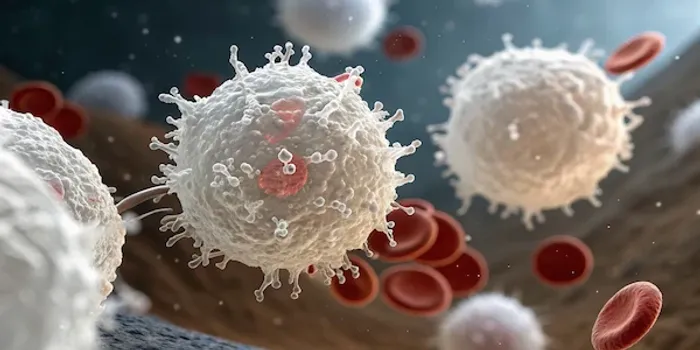
White blood cells (WBCs) are an essential part of your immune system, helping your body fight infections and diseases. A normal WBC count typically ranges between 4,000 and 11,000 cells per microliter of blood. When this count goes higher, it may signal:
Infection (bacterial, viral, or fungal): The body's immune system responds to invading pathogens by triggering inflammation to isolate and eliminate the infection, leading to localized or systemic symptoms.
Inflammation (due to injury or chronic conditions): Tissue damage from injuries initiates an inflammatory response for repair, while chronic conditions involve ongoing, often misdirected inflammation contributing to disease progression and symptoms.
Stress (physical or emotional): Prolonged physical or emotional stress can disrupt the body's regulatory systems, potentially leading to a chronic low-grade inflammatory state that can affect various tissues and organs.
Autoimmune disorders (like rheumatoid arthritis): In these conditions, the immune system mistakenly attacks the body's own healthy tissues, causing chronic inflammation, pain, and potential organ damage.
Certain medications (such as corticosteroids): While often used to treat inflammation, some medications can paradoxically cause or exacerbate inflammatory responses as a side effect in certain individuals.
Bone marrow disorders (like leukemia): These conditions can lead to an overproduction of abnormal blood cells, which can infiltrate tissues and organs, causing inflammation and disrupting normal function.
If your WBC count is elevated, your doctor may recommend further tests to determine the cause. In some cases, natural remedies can help bring the count down by addressing the root issue.
Consult Top physician
Natural Ways to Reduce WBC Count
Stay Hydrated: Adequate water consumption helps eliminate toxins and promotes generalized immunity. Dehydration, incidentally, can lead to elevated WBC counts, so shoot for 8-10 glasses of water a day.
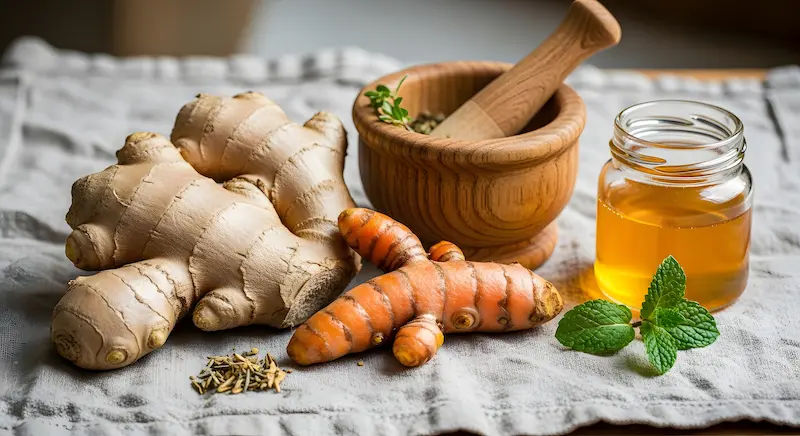
Eat an Anti-Inflammatory Diet: Some foods have the ability to lower inflammation, which may reduce WBCs. Include: Fruits & Vegetables (berries, leafy greens, citrus fruits) Good Fats (olive oil, avocados, nuts) Foods high in omega-3 (Fatty fish such as salmon, flaxseeds) Also turmeric & ginger (natural anti-inflammatories) Stay away from processed foods, added sugars and refined carbohydrates — substances that can fuel inflammation.
Manage Stress: Chronic stress elevates cortisol, leading to higher WBC counts; practice deep breathing, yoga, meditation, regular activity, and aim for 7-9 hours of nightly rest.
Exercise Moderately: While intense exercise raises WBCs, moderate activities like walking, swimming, or cycling can moderate immune activity; avoid overexertion when fighting infection.
Herbal Remedies: Garlic offers natural antibiotic and anti-inflammatory benefits, green tea is rich in antioxidants, and Echinacea can boost immunity (short-term use advised). Always consult a doctor before starting any herbal supplements, particularly if you are currently taking other medications.
Avoid Smoking and Alcohol: Excessive smoking and alcohol, on the other hand, also impede immunity and drive inflammation and higher WBC counts. If levels are too high, cutting back or quitting can help “normalize” them.
Get Enough Sleep: Disrupted immune function from poor sleep can lead to elevated WBCs. Unwind and Sleep well Maintain a routine and set up a restful environment
Treat Underlying Infections: If the cause of high WBCs is an infection, listen to your doctor. Natural remedies such as honey (for sore throat), probiotics (for gut health), and vitamin C (for immunity) might assist with recovery.
When to See a Doctor?
While natural methods can help, consult a doctor if:
Your lifestyle changes don't seem to have lowered your WBC count: It is concerning if lifestyle modifications such as diet, stress management and exercise are not resulting in a reduction of white blood cell levels, and a medical evaluation should be sought to rule out potential causes requiring treatment.
You have fever, fatigue, or unexplained weight loss: The presence of systemic symptoms in conjunction with a raised WBC could suggest a full-blown infection, inflammatory process, or other serious disease that requires investigation, diagnosis and treatment by your doctor.
You have a history of autoimmune disorders or blood-related conditions: Pre-existing autoimmune diseases or blood disorders increase susceptibility to WBC irregularities, so it’s critical to seek medical advice to ensure proper evaluation and management.
Conclusion
A high WBC count is usually your body’s way of saying that something needs to be addressed. But through a healthy lifestyle — hydration, nutrition, stress control, and avoidance of harmful habits — you can help give your immune system a boost, supporting the return of your WBC numbers to normal. If you’re worried about your WBC count, it may be helpful to get personalised help by booking a consultation with a specialist on Apollo 24|7. If you catch it early and take care of it, you can go a long way to helping your health journey.
Consult Top physician
Consult Top physician

Dr. Rajib Ghose
General Physician/ Internal Medicine Specialist
25 Years • MBBS
East Midnapore
VIVEKANANDA SEBA SADAN, East Midnapore

Dr. Abhishek Ranjan
General Practitioner
4 Years • MBBS
Kolkata
VDC Clinic, Kolkata

Dr. Anand Ravi
General Physician
2 Years • MBBS, FEM
Bengaluru
PRESTIGE SHANTHINIKETAN - SOCIETY CLINIC, Bengaluru

Dr. Sougata Kumar
General Practitioner
9 Years • MBBS
East Midnapore
VIVEKANANDA SEBA SADAN, East Midnapore

Dr. Paras Gangwal
General Physician/ Internal Medicine Specialist
28 Years • MBBS,MD General Medicine
Delhi
Dr Paras Gangwal Clinic, Delhi
Consult Top physician
Dr. Rajib Ghose
General Physician/ Internal Medicine Specialist
25 Years • MBBS
East Midnapore
VIVEKANANDA SEBA SADAN, East Midnapore
Dr. Abhishek Ranjan
General Practitioner
4 Years • MBBS
Kolkata
VDC Clinic, Kolkata
Dr. Anand Ravi
General Physician
2 Years • MBBS, FEM
Bengaluru
PRESTIGE SHANTHINIKETAN - SOCIETY CLINIC, Bengaluru
Dr. Sougata Kumar
General Practitioner
9 Years • MBBS
East Midnapore
VIVEKANANDA SEBA SADAN, East Midnapore
Dr. Paras Gangwal
General Physician/ Internal Medicine Specialist
28 Years • MBBS,MD General Medicine
Delhi
Dr Paras Gangwal Clinic, Delhi