The Power Food Diet: Your Key to Healthy Living
Discover the power food diet, a simple and sustainable approach to healthy living. Learn its core principles, top nutrient-rich foods, and tips to boost energy, immunity, and overall well-being.

Written by Dr. Rohinipriyanka Pondugula
Reviewed by Dr. J T Hema Pratima MBBS, Fellowship in Diabetes Mellitus
Last updated on 13th Jan, 2026
Introduction
In a world overflowing with dietary trends and confusing nutrition advice, the concept of "power foods" stands out for its beautiful simplicity. It’s not about restrictive fads or counting every single calorie; it’s about embracing the incredible energy and healing potential locked within nature’s most nutrient-packed offerings. This guide to power food is your roadmap to understanding how these nutritional giants can become the key to a healthier, more vibrant life. We’ll move beyond just a list of "superfoods" and delve into the principles of a power food diet, explore the top categories to fill your pantry with, and provide practical tips for seamlessly integrating them into your daily routine. Get ready to discover how the right choices on your plate can unlock unprecedented levels of energy, bolster your immunity, and become the cornerstone of truly sustainable healthy living.
The Core Principles of a Power Food Diet
Adopting a diet centered around power foods is less about strict rules and more about embracing a few fundamental philosophies. These principles shift the focus from deprivation to abundance, encouraging you to fill your plate with foods that actively work to improve your health.
Principle 1: Nutrient Density Over Calorie Counting
The core idea behind any power food is its nutrient density. This means the food provides a high amount of vitamins, minerals, fibre, and other beneficial compounds for a relatively low number of calories. Instead of asking "How many calories are in this?" start asking, "What nutrients is this giving me?" A 100-calorie snack pack of processed cookies offers empty calories, while 100 calories of spinach delivers a massive dose of vitamin K, vitamin A, folate, and iron. This shift in mindset is the first and most crucial key to transforming your diet.
Principle 2: The Rainbow on Your Plate: Embracing Phytonutrients
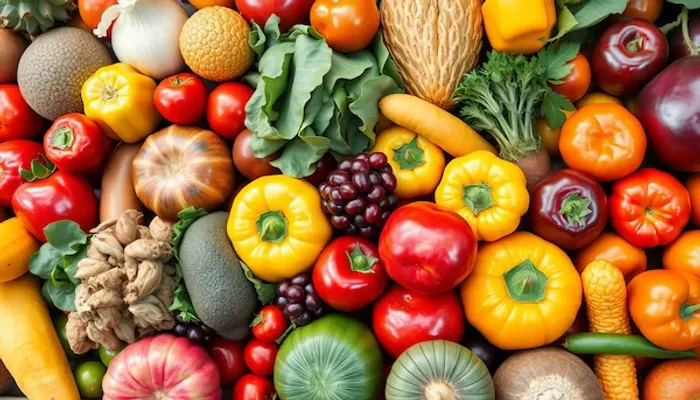
The vibrant colors in fruits and vegetables are more than just visually appealing; they are indicators of powerful phytonutrients. These are natural compounds that plants produce to protect themselves, and they offer us immense health benefits. Lycopene (red, in tomatoes), beta-carotene (orange, in carrots and sweet potatoes), and anthocyanins (blue/purple, in blueberries) are all phytonutrients with potent antioxidant and anti-inflammatory properties. Aiming for a colorful plate ensures you’re getting a wide spectrum of these disease-fighting compounds.
Principle 3: The Synergy of Whole Foods vs. Isolated Nutrients
While taking a vitamin supplement can be beneficial in certain cases, it can't replicate the complex synergy of eating a whole food. A blueberry, for instance, doesn't just contain vitamin C and fibre; it contains a unique matrix of antioxidants, polyphenols, and other compounds that work together in ways science is still discovering. This "food matrix" effect means the whole is greater than the sum of its parts. Prioritising whole foods over processed ones and isolated nutrients is a fundamental principle for unlocking true nutritional power.
Consult a Dietitian or Nutritionist for the best advice
The Ultimate Power Food Pantry: A Category-by-Category Breakdown
Let’s explore the all-star teams of the nutrition world. Stocking your kitchen with these categories is the practical application of the principles above.
Leafy Greens & Cruciferous Vegetables: The Detox Champions
These vegetables are the undisputed kings of nutrient density. They are loaded with vitamins A, C, and K, folate, and a host of minerals.
Spinach, Kale, and Swiss Chard
These leafy greens are incredibly versatile. Spinach blends seamlessly into smoothies, kale makes a robust base for salads (especially when massaged with a little olive oil), and Swiss chard can be sautéed as a delicious side dish. They are renowned for supporting eye health, bone health, and providing a plant-based source of iron.
Broccoli, Brussels Sprouts, and Cauliflower
This cruciferous family contains sulforaphane, a compound with powerful antioxidant and potential anti-cancer properties. Roasting them brings out a natural sweetness that can make even skeptics into fans.
Vibrant Berries & Fruits: Nature's Antioxidant Powerhouses
Fruits, particularly berries, are nature's candy, packed with fibre, vitamins, and those all-important antioxidants that combat oxidative stress in our bodies.
Blueberries, Raspberries, and Goji Berries
Often topping superfood lists, berries are low in sugar and high in flavor and nutrients. Blueberries are famous for their brain-boosting anthocyanins. Studies, such as one published in the Annals of Neurology, have suggested that high berry intake is associated with slower rates of cognitive decline in older adults.
Citrus Fruits and Avocados
Don’t forget other fruits! Citrus fruits like oranges and grapefruit are iconic for their vitamin C content, crucial for immune function and collagen production. Avocados, a unique fruit, provide heart-healthy monounsaturated fats and potassium, which helps regulate blood pressure.
Beyond the Plate: The Lifestyle Keys That Unlock Power Food Benefits
Eating power foods is essential, but other lifestyle factors determine how well your body utilises these nutrients.
Hydration: The Often-Forgotten Key to Nutrient Absorption
Water is the medium for nearly every metabolic process in your body, including the transportation and absorption of vitamins and minerals. Without proper hydration, even the most potent power food won't be as effective. Aim for at least 8 glasses of water a day, and remember that water-rich foods like cucumbers, watermelon, and oranges also contribute to your intake.
Mindful Eating: Listening to Your Body's Signals
Healthy living isn't just about what you eat, but how you eat. Mindful eating—paying full attention to the experience of eating without distraction—allows you to tune into your body’s hunger and fullness cues. This practice improves digestion, prevents overeating, and helps you develop a more positive and intuitive relationship with food, ensuring your power food diet is sustainable and enjoyable. If you struggle with digestive issues despite a healthy diet, it may be helpful to consult a doctor online with Apollo24|7 to rule out any underlying conditions like food intolerances.
Conclusion: Your Journey to Lifelong Health Starts Here
Embarking on a journey powered by whole, nutrient-rich foods is one of the most impactful decisions you can make for your long-term well-being. This guide to power food has provided the key principles and a practical list to get you started, but remember that healthy living is a personal and evolving practice. It’s not about perfection; it’s about progression. Each colorful meal, each mindful bite, and each glass of water is a step toward a more energetic and resilient you. Start by adding a handful of spinach to your smoothie, swapping your afternoon snack for a handful of almonds and berries, or trying one new vegetable this week. Your body will thank you for it. If you have specific health concerns or conditions, always remember that personalised advice from a healthcare professional is invaluable. For convenient access to nutritionists and doctors, you can easily book a physical visit or online consultation with Apollo24|7.
Consult a Dietitian or Nutritionist for the best advice
Consult a Dietitian or Nutritionist for the best advice

Ms. Sreeparna Dey Dhara Deb
Dietician
10 Years • DNHE
Bansdroni
Siddhita Healthcare., Bansdroni

Ms. Soma Saha
clinical nutrition
17 Years • B.Sc. - Home Science (Food & Nutrition), M.Sc. - Home Science (Food & Nutrition)
Kolkata
Dr Utsa Basu Clinic, Kolkata

(75+ Patients)

Ms. Samapti Maity
Dietician
16 Years • MSc. (Clinical Nutrition & Dietitics), NDEP, Course in Maternal Infant Young Child Nutrition.Diploma in Sports Nutrition, Diploma in Diabetic educator, FODMAP Specialist
Kolkata
BIENETRE CLINIC, Kolkata

Dr Venkata Naga Sai Tribhushan Rambhatla
General Physician
3 Years • MBBS
Bengaluru
PRESTIGE SHANTHINIKETAN - SOCIETY CLINIC, Bengaluru

Ms. Suhita Sinha
Dietician
8 Years • MSC Food & Nutrition
Kolkata
Chikitsa Medicare Centre Pvt. Ltd.Sattelite Centre Behala Chowrasta, Kolkata


.webp)