


Guide to Power Food Key Healthy Living
Discover essential power foods—nutrient-dense ingredients packed with vitamins and antioxidants—that can transform your diet and serve as a cornerstone for healthy, energetic living.

Power Food: Key to Healthy Living
Introduction
If you’ve ever wondered why some meals keep you energized and satisfied while others leave you sluggish, the answer often comes down to power food choices. Power foods are nutrient-dense foods—think leafy greens, berries, whole grains, nuts, seeds, fish, and legumes—that deliver a high concentration of vitamins, minerals, fiber, and healthy fats per calorie. In other words, they’re the key to getting more health from every bite.
This guide brings together what leading nutrition research and trusted public health organizations recommend so you can build a plate that works in real life. You’ll learn what qualifies as a power food, how these foods improve heart, brain, and gut health, and how to match food to your goals—from steady energy and weight management to immune support. We’ll also share a practical “power plate” framework, smart shopping swaps, a 7-day template, and myth-busting facts to help you make confident choices. Whether you’re cooking for one or feeding a family, your path to healthy living starts with powerful, delicious food that fits your budget and routine.
What Are “Power Foods”? A Practical Definition
Nutrient density: more nutrition per bite
Power foods deliver a high ratio of nutrients to calories. That means abundant fiber, vitamins (like A, C, K, folate),
minerals (magnesium, potassium, iron), and healthful fats or proteins without excess added sugar or sodium. Leafy
greens, cruciferous vegetables, berries, legumes, whole grains, nuts and seeds, and omega-3-rich fish are classic
examples. This idea mirrors healthy eating plate guidance from public health experts, which emphasizes vegetables,
fruits, whole grains, healthy proteins, and healthy oils as the backbone of everyday eating [Harvard T.H. Chan].
Power foods vs “superfood” marketing
Labels like “superfood” aren’t regulated and can overpromise. The smart approach is to focus on food patterns: variety,
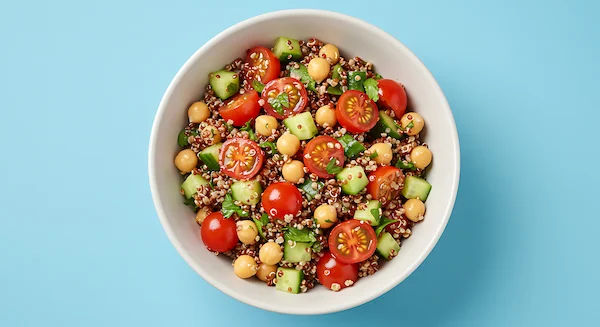
color, minimally processed staples, and healthy preparation methods. A bowl of oats with berries and nuts, a bean-and-
quinoa salad with olive oil, or grilled fish with a heap of vegetables all qualify as power meals.
Evidence snapshot and how patterns beat single foods
Large studies consistently show that dietary patterns rich in plants, fiber, and healthy fats lower the risk of
cardiovascular disease and improve metabolic health. In the PREDIMED trial, a Mediterranean-style pattern enriched
with extra-virgin olive oil or nuts reduced major cardiovascular events by about 30% compared with a low-fat control
[NEJM]. That’s a pattern—many power foods working together—rather than one “miracle” ingredient.
The Science: Why Power Foods Improve Health
Cardiometabolic benefits (heart, blood pressure, blood sugar)
Power foods provide potassium and magnesium (helpful for blood pressure), soluble fiber (improves cholesterol), and
omega-3 fats from fish and some seeds (support heart rhythm and triglycerides). Diets emphasizing these foods align
closely with heart-healthy recommendations to prioritize fruits, vegetables, whole grains, lean proteins, and liquid plant
oils while limiting sodium and added sugars [AHA]. Fiber-rich meals also slow glucose absorption, supporting steadier
blood sugar.
Satiety, glycemic control, and weight management
Protein, fiber, and healthy fats work synergistically to promote fullness, reduce cravings, and stabilize energy. For
example, a lunch salad built with legumes, olive oil, whole grains, and greens delivers a low-glycemic, high-satiety
profile—ideal for sustainable weight loss or weight maintenance. This approach reduces reliance on ultra-processed
foods, which are often energy-dense yet nutrient-poor.
Antioxidants, polyphenols, and inflammation
Colorful plant foods supply antioxidants and polyphenols (e.g., anthocyanins in berries, sulforaphane in broccoli) that
help modulate inflammation and oxidative stress. While effects vary by individual, consistently including a variety of
plant colors broadens your micronutrient and phytochemical intake—an easy proxy for better long-term health [WHO].
Build Your Power Plate (A Simple Framework)
The 50-25-25 plate method you can use anywhere
- 50% non-starchy vegetables: leafy greens, broccoli, peppers, tomatoes, mushrooms, cabbage.
- 25% high-quality protein: legumes, fish, eggs, tofu/tempeh, fermented dairy or cultured plant yogurts.
- 25% high-fiber carbs: intact whole grains (oats, quinoa, brown rice), starchy vegetables (sweet potato), or legumes.
- Add 1–2 tablespoons of healthy fats (extra-virgin olive oil, nuts, seeds, avocado). This mirrors common healthy eating
plate visuals and is easy to apply at home, work, or when dining out [Harvard T.H. Chan]. Long-tail keyword: healthy
eating plate guide.
Portion and frequency: palm, fist, and thumb guides
- Protein: 1 palm-sized portion per meal.
- Carbs: 1 cupped-hand portion of whole grains or starchy veg.
- Fats: 1 thumb of oil or 1–2 tablespoons of nuts/seeds.
- Vegetables: 1–2 fists per meal.
Adjust up or down based on energy needs. Aim for at least 20–30 g protein and 8–12 g fiber across meals to support
satiety and stable energy. Long-tail keyword: how to build a balanced plate.
A sample day built with power foods
- Breakfast: Oats cooked with soy milk, chia seeds, blueberries, and cinnamon; green tea.
- Lunch: Lentil–quinoa bowl with roasted vegetables, extra-virgin olive oil, and a side of yogurt or kefir.
- Snack: Apple with peanut butter; a handful of walnuts.
- Dinner: Grilled salmon (or tofu) with a large salad, olive oil–lemon dressing, and a small baked sweet potato.
Key Power Food Groups and Standout Choices
Leafy greens and cruciferous vegetables
Spinach, kale, arugula, bok choy, broccoli, cauliflower, and cabbage are low-calorie, fiber-rich, and packed with
vitamins (K, C, folate) and compounds like glucosinolates. Regular intake correlates with better cardiovascular and
metabolic markers.
Berries and colorful fruits
Blueberries, strawberries, raspberries, blackberries, citrus, pomegranate, kiwi, and apples provide fiber and polyphenols.
Frozen berries are budget-friendly and retain nutrients. Pair fruit with protein or healthy fat for stable blood sugar.
Long-tail keyword: anti-inflammatory foods list.
Whole grains and legumes
Choose intact grains (steel-cut oats, farro, barley, brown rice, millet, buckwheat, quinoa) and legumes (lentils, chickpeas, beans, peas). They offer fiber, resistant starch, minerals, and plant protein—excellent for heart health and gut health. Rinsing canned beans reduces sodium; pressure-cooking improves digestibility.
Nuts, seeds, and healthy oils
Walnuts, almonds, pistachios, peanuts, sunflower, pumpkin, flax, chia, and sesame seeds offer unsaturated fats, protein,
and micronutrients. Extra-virgin olive oil (EVOO) is central to Mediterranean-style patterns and was a key component
in PREDIMED [NEJM]. Use EVOO for dressings and low-to-moderate heat cooking; use avocado or canola oil for
higher heat.
Fish, eggs, fermented dairy or plant proteins
Fatty fish (salmon, sardines, mackerel) bring EPA/DHA omega-3s; smaller species are cost-effective and lower in
mercury. Eggs provide high-quality protein and choline. Yogurt/kefir (or cultured soy/almond yogurts) add probiotics
and protein. Plant proteins like tofu, tempeh, and edamame keep meals versatile and budget-friendly. Long-tail
keyword: omega-3 rich foods.
Herbs and spices as nutrient boosters
Turmeric, ginger, garlic, cinnamon, oregano, thyme, rosemary, and chili provide antioxidants and flavor without
sodium. Spice blends can help reduce added salt while keeping meals satisfying.
Gut Health: The Hidden Key Behind Power Foods
Prebiotics, probiotics, and fiber targets
Your microbiome thrives on fiber (aim for 25–38 g/day) and diverse plant compounds. Prebiotic fibers—found in
onions, garlic, leeks, asparagus, bananas, oats, barley, and legumes—feed beneficial bacteria. Probiotics from yogurt,
kefir, sauerkraut, kimchi, miso, and tempeh add live cultures. Combining both supports digestive comfort, immune
function, and possibly mood regulation. If digestive symptoms persist beyond two weeks despite dietary changes,
consult a doctor online with Apollo 24|7 for further evaluation.
Diversity of plants and a healthier microbiome
A simple proxy for better gut health is plant diversity: aim for 20–30 different plant foods per week (count vegetables,
fruits, legumes, whole grains, nuts, seeds, herbs, and spices). Rotate your choices to broaden fiber types and polyphenols. Long-tail keywords: high-fiber foods for gut health, nutrient-dense foods list.
Match Power Foods to Your Goals
Energy and performance
For steady energy, build meals with complex carbs (intact grains, legumes), lean proteins, and healthy fats. Pre-
workout: a banana with peanut butter or yogurt with oats. Post-workout: a balanced plate with protein (20–30 g), carbs,
and vegetables to support recovery.
Weight loss and insulin resistance
Prioritize low-glycemic, high-fiber meals: beans, lentils, non-starchy vegetables, and protein-rich foods help reduce
hunger and stabilize blood sugar. Replace refined grains with intact whole grains; swap sugary drinks for water or unsweetened tea. If you have risk factors for diabetes, consider periodic HbA1c testing; Apollo 24|7 offers a convenient home collection for tests like HbA1c and lipid profiles.
Heart and brain health
Emphasize omega-3-rich fish, nuts (especially walnuts), olive oil, leafy greens, and berries. These align with
cardiovascular and cognitive health research and AHA guidance [AHA]. Even modest changes—like adding one fish
meal per week and a daily handful of nuts—can be impactful.
Immunity and anti-inflammatory eating
Load up on vitamin C (citrus, peppers), zinc (legumes, seeds), vitamin D sources, and polyphenol-rich plants. Sleep,
movement, and stress management amplify diet’s effects. If fatigue or frequent infections persist, consult a doctor with Apollo 24|7; they can advise on labs such as vitamin D or B12.
Smart Shopping, Storage, and Meal Prep
Budget-friendly swaps and staples
- Buy frozen vegetables and berries—they’re often cheaper and equally nutritious.
- Choose canned beans and fish (in water or olive oil); rinse beans to reduce sodium.
- Stock staples: oats, brown rice, lentils, chickpeas, eggs, plain yogurt, seasonal produce, and EVOO.
- Compare unit prices; generic brands can be high quality.
Seasonal, local, and frozen picks
Seasonal produce is fresher and often cheaper. When out of season, go frozen. Local markets may offer surplus
discounts near closing time. Long-tail keyword: budget-friendly healthy foods.
Batch cooking and minimal-waste planning
Cook grains and legumes in bulk; roast two trays of mixed vegetables; grill or bake proteins to repurpose across meals.
Plan for leftovers and freeze portions. Save herb stems for stocks, stale bread for whole-grain croutons, and beet greens
for sautés.
10-minute power meals
- Whole-grain toast with mashed avocado, tomato, and a boiled egg.
- Greek yogurt (or soy yogurt) parfait with oats, chia, and berries.
- Canned chickpeas sautéed with garlic, spinach, and olive oil over brown rice.
Safety, Allergies, and Personalization
Reading labels for added sugar, sodium, and ultra-processing
Aim for short ingredient lists; avoid added sugars in savory foods; target less than 5–6% of calories from added sugar
and moderate sodium according to AHA guidance [AHA]. Ultra-processed snacks and beverages often pack excess
sodium, sugar, and low-quality fats.
Allergies/intolerances (gluten, lactose, FODMAPs)
If gluten sensitive, focus on gluten-free whole grains (quinoa, brown rice, buckwheat, millet). For lactose intolerance, try
lactose-free dairy or fortified soy alternatives. For IBS, a short-term low-FODMAP approach under clinician guidance
can identify triggers. If symptoms persist beyond two weeks, consult a doctor online with Apollo 24|7.
When to test (vitamin D, B12, lipids, HbA1c) and when to see a clinician
Consider testing if you have symptoms or risk factors (fatigue, numbness/tingling, known deficiencies, family history of
heart disease, diabetes). Apollo 24|7 offers a convenient home collection for tests like vitamin D, B12, lipid profiles, and
HbA1c. Abnormal results, significant weight changes, or persistent symptoms warrant medical review.
7-Day Power Food Meal Plan Template
Breakfast and snack matrix
Breakfast ideas:
- Steel-cut oats with chia and mixed berries.
- Vegetable omelet with mushrooms and spinach; whole-grain toast.
- Yogurt parfait with oats, walnuts, and pomegranate.
- Tofu scramble with peppers, onions, and turmeric; avocado.
Snacks:
- Fruit plus nuts (apple + almonds).
- Hummus with carrots/cucumbers.
- Kefir or soy yogurt; a square of dark chocolate.
Lunch and dinner ideas
Lunch bowls: quinoa–lentil–roasted veg with olive oil; brown rice–edamame–kimchi; whole-grain pasta with tomato–
olive–capers and a big side salad.
Dinners: salmon with broccoli and sweet potato; chickpea–spinach curry with brown rice; bean chili with cabbage slaw;
tofu stir-fry with mixed vegetables and buckwheat noodles.
Long-tail keywords: heart-healthy diet plan, meal prep for beginners.
Beverages and hydration
Make water your default. Include unsweetened tea, coffee (moderation), and sparkling water. Limit sugary drinks and
high-calorie specialty coffees. Herbal teas add variety without sugar.
Myths vs Facts: Getting Past the Hype
Organic vs conventional
Organic can reduce pesticide exposure, but both organic and conventional produce support health. Wash produce well,
and prioritize eating more plants in general. If the budget is tight, buy conventional and focus on variety and prep
methods.
“Detox” and cleanse claims
Your liver and kidneys already detox efficiently. Instead of cleanses, opt for a consistent pattern: high-fiber plants,
adequate hydration, and nutrient-dense whole foods.
One food fixes everything? No—patterns matter
No single power food can outmuscle an overall poor diet. Long-term patterns—like a Mediterranean-style or plant-
forward approach—are where clinically meaningful benefits are seen [NEJM, AHA, WHO]. Long-tail keyword:
Mediterranean diet benefits.
Quick Takeaways
- Power foods are nutrient-dense staples like leafy greens, berries, legumes, whole grains, nuts, seeds, and omega-3-rich
fish; they’re your key to healthy living. - Build a power plate: half vegetables, a quarter protein, a quarter high-fiber carbs, plus healthy fats and water.
- Focus on patterns, not single “superfoods”—variety and consistency drive results.
- For weight and blood sugar control, emphasize fiber, protein, and low-glycemic carbs; consider HbA1c and lipid testing
if at risk. - Support gut health with 25–38 g daily fiber, prebiotics, probiotics, and 20–30 different plant foods per week.
- Shop smart with frozen produce, canned beans/fish, and batch cooking to keep power foods budget-friendly and
convenient. - If symptoms persist (digestive issues, fatigue), consult a doctor with Apollo 24|7; labs like vitamin D or B12 can be
done via home collection.
Conclusion and Next Steps
Power foods aren’t exotic or expensive—they’re everyday staples that deliver exceptional nutrition per calorie. By filling half your plate with vegetables, anchoring meals with quality protein, choosing high-fiber carbohydrates, and finishing with healthy fats, you create a simple, repeatable system for better energy, weight management, and long-term disease prevention. The science supports patterns rich in plants, fiber, and healthy fats for heart and brain health, while gut-friendly foods improve digestion and immune function.
Start small: add one vegetable to each meal, swap refined grains for intact whole grains, and include a handful of nuts or seeds daily. In a week, aim for 20–30 different plant foods and one to two servings of omega-3-rich fish. Track how you feel—energy, satiety, and focus often improve within days. If you have specific health conditions or persistent symptoms, consult a clinician; Apollo 24|7 can help with online visits and convenient home collection for tests like vitamin D, B12, HbA1c, and lipid profiles. Your next meal is an opportunity: choose power food, and let it be the key to the healthy living you want.
Consult a Top Dietitian
Consult a Top Dietitian

Ms. Neelanjana J
Dietician
5 Years • Bsc., Msc. Nutrition and Dietetics specialised general weight management, PCOS/PCOD weight loss and Diabetes management. A clinical dietitian with 4+ year experience specializing in evidence-based, result-oriented nutrition therapy. I have extensive experience in weight loss, thyroid management, PCOD/PCOS, weight gain, and diabetes & prediabetes care. My approach is personalized, practical, and sustainable—focusing on helping individuals achieve long-term lifestyle change rather than quick fixes. I work closely with clients to understand their medical history, lifestyle, and goals, and then design customized diet plans that support hormonal balance, metabolic health, and overall wellbeing. My goal is to make nutrition simple, realistic, and effective—so you see measurable results and feel your healthiest self.Auther in Health benefits of jackfruit (Artocarpus heterophyllus Lam.) seeds: A review (2023) The Pharma Innovation Journal Co- Auther in Malnutrition in Women: A review (2023) The Pharma Innovation Journal. Highfield Level 3 in HACCP. Highfield Level 4 International Award in Food Safety Managment
Bengaluru
Apollo Clinic, JP nagar, Bengaluru

Ms. Sreeparna Dey Dhara Deb
Dietician
10 Years • DNHE
Bansdroni
Siddhita Healthcare., Bansdroni

Ms. Suhita Sinha
Dietician
8 Years • MSC Food & Nutrition
Kolkata
Chikitsa Medicare Centre Pvt. Ltd.Sattelite Centre Behala Chowrasta, Kolkata

Ms Manisha Patil
Dietician
25 Years • B.A.S.M., M Sc Food & Science and Nutrition , ADND. CCHA . PGDHM
Pune
Apollo Clinic, Nigdi, Pune

Ms Suchanda Guha
Dietician
10 Years • M.Sc (Applied Nutrition), B.Sc (Food & Nutrition), Diploma (Yogic Nutrition)
Kolkata
NutriKutir, Kolkata
More articles from Diet for Immunity Boosting
.webp)

Frequently Asked Questions
Infections, bleeding, injury to nearby organs, blood clots, and anesthesia risks. Serious complications are uncommon in experienced hands. Know red flags: fever, worsening pain, vomiting, jaundice, chest pain, or leg swelling—seek care promptly. If sympto
Build meals around high-fiber, low-glycemic foods like beans, lentils, leafy greens, non-starchy vegetables, intact whole grains, and lean proteins. These nutrient-dense foods promote fullness and stable blood sugar. Long-tail keyword: power foods for weight loss.
How do I create a nutrient-dense foods list for the week?
Choose 2 leafy greens, 3 colorful vegetables, 2 fruits (like berries and citrus), 2 whole grains, 2 legumes, 2 proteins (fish, eggs, tofu), and 2 healthy fats (olive oil, nuts/seeds). Rotate weekly to increase plant diversity.
Are smoothies a good way to include power food?
Yes—if built wisely. Combine leafy greens, berries, plain yogurt or tofu, flax/chia, and water. Avoid adding juices, syrups, or excessive honey to keep sugar in check.
How can I eat a heart-healthy diet plan on a budget?
Use frozen vegetables and berries, canned beans and fish, bulk whole grains, and generic brands. Batch cook and repurpose ingredients. Long-tail keyword: grocery list for healthy living.
What tests should I consider if I’m changing my diet for health?
Personalize based on risk factors, but common labs include lipid profile, HbA1c, vitamin D, and vitamin B12 (for certain diets). Apollo 24|7 offers a convenient home collection for these tests.