



Best Fruits For Weight Loss: Low Calorie Choices
Discover the best low-calorie fruits for weight loss, plus easy diet tips to cut calories, curb hunger, and build a balanced, delicious plate.

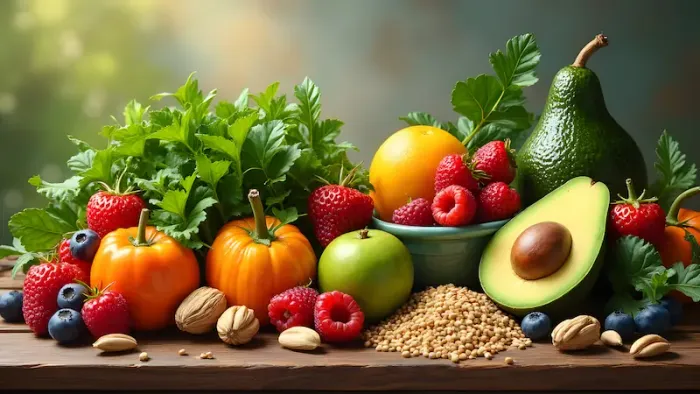
Introduction
Looking for simple, satisfying ways to eat fewer calories without feeling hungry? Whole fruit can help. Low-calorie fruits are high in water and fiber, which add volume to your meals and snacks for very few calories. That combination supports fullness, steady energy, and healthy weight management. In this guide, you’ll find the best fruits for weight loss, how to use them every day, and science-backed diet tips you can trust.
Why Do Fruits Help With Weight Loss?
• Low energy density: Foods that have fewer calories per bite, thanks to lots of water and fiber, help you feel full on fewer calories. Many fruits fit this “low energy density” profile.
• Fiber for fullness: Fiber slows digestion, supports steady blood sugar, and helps you feel satisfied after eating.
• Natural sweetness, no added sugar: Whole fruit offers sweetness along with vitamins, minerals, and phytonutrients without added sugars found in many snacks and desserts.
• Easy to portion and prep: Most fruits are grab-and-go and pair well with protein-rich foods to make balanced snacks.
Best Low-Calorie Fruits For Weight Loss (Quick List)
The fruits below are naturally lower in calories per 100 grams (about 3.5 ounces), based on USDA FoodData Central values. Actual calories vary by ripeness and size. Use this as a helpful guide, not a strict rule.
• Strawberries: ~32 kcal/100 g
• Watermelon: ~30 kcal/100 g
• Cantaloupe: ~34 kcal/100 g
• Honeydew: ~36 kcal/100 g
• Oranges: ~47 kcal/100 g
• Grapefruit: ~42 kcal/100 g
• Tangerines: ~53 kcal/100 g
• Peaches: ~39 kcal/100 g
• Nectarines: ~44 kcal/100 g
• Plums: ~46 kcal/100 g
• Apples: ~52 kcal/100 g
• Pears: ~57 kcal/100 g
• Raspberries: ~52 kcal/100 g
• Blackberries: ~43 kcal/100 g
• Blueberries: ~57 kcal/100 g
• Papaya: ~43 kcal/100 g
• Pineapple: ~50 kcal/100 g
• Kiwi: ~61 kcal/100 g
Remember: “Best” doesn’t mean “only.” Any whole fruit can fit into a balanced plan when portions match your goals.Consult a Top General Physician
Top Categories Of Low-Calorie Fruits And How To Use Them?
Berries: Big Nutrition, Few Calories
• Why they help: Berries (strawberries, raspberries, blackberries, blueberries) are high in fiber and water, which support fullness for relatively few calories.
• How to use: Add to yogurt or cottage cheese, blend into a smoothie, or sprinkle on oatmeal. Frozen berries are just as nutritious and budget-friendly.
• Portion tip: 1 cup of strawberries or raspberries adds volume to meals for very little energy.
Citrus Fruits: Juicy And Satisfying
• Why they help: Oranges, grapefruit, and tangerines are hydrating and provide vitamin C and fiber.
• How to use: Eat as a snack, toss segments into salads, or use zest and juice to brighten sauces and marinades.
• Important note: Grapefruit can interact with certain medications (for example, some statins and blood pressure medicines). If you take prescriptions, check with your pharmacist or clinician before adding grapefruit.
Melons: High Volume, Ultra-Hydrating
• Why they help: Watermelon, cantaloupe, and honeydew are mostly water, making them very low-calorie fruits that help you feel full.
• How to use: Cube for snack boxes, blend into a chilled soup, or serve as a refreshing dessert with a squeeze of lime.
Crisp Pome Fruits: Apples And Pears
• Why they help: Their fiber, and the time it takes to chew, can boost satiety.
• How to use: Slice and pair with a protein or healthy fat (like peanut butter, Greek yogurt, or a few nuts) for a balanced snack.
Stone Fruits: Peaches, Nectarines, Plums
• Why they help: Naturally sweet and moderately low in calories, they satisfy dessert cravings with fiber and water.
• How to use: Grill halves for a warm dessert, chop into salsas, or add to cottage cheese.
Tropical Picks: Papaya, Pineapple, Kiwi
• Why they help: Bright flavor, good hydration, and vitamins for modest calories.
• How to use: Mix into fruit salads, smoothies, or a yogurt parfait. Enjoy the flavor variety to keep your plan satisfying.
How To Use Low-Calorie Fruits In A Weight-Loss Plan?
Use these practical diet tips to make low-calorie fruits work harder for you:
• Build balanced snacks: Pair fruit with protein or healthy fats to feel full longer.
• Examples: Apple + peanut butter; berries + Greek yogurt; pear + a few almonds; kiwi + cottage cheese.
• Preload meals: Start lunch or dinner with a small fruit-and-veg plate (e.g., orange segments and cucumber). Filling up on low-energy-density foods can help you eat fewer overall calories.
• Swap smarter desserts: Trade pastries and candy for a fruit-based dessert like baked apples with cinnamon, grilled peaches, or a bowl of mixed berries.
• Bulk up breakfasts: Add a cup of fruit to oatmeal or high-protein yogurt to increase volume for minimal calories.
• Keep it visible and ready: Wash and prep fruit right after shopping. A ready-to-grab bowl of citrus or a clear container of cut melon increases the odds you’ll eat it.
• Lean on frozen: Frozen fruit is nutrient-rich, often cheaper, and reduces food waste. Choose options without added sugar.
• Watch add-ons: The fruit is low-calorie; the extras may not be. Be mindful with syrups, sweetened yogurt, granola, and whipped cream.
Portions And Smart Sugar Management
How much fruit per day? For most adults, the CDC recommends about 1.5 to 2 cups of fruit per day as part of a healthy eating pattern. If you’re aiming for weight loss, those servings can fit easily into a calorie-controlled plan.
What Is A Cup-Equivalent? Roughly:
• 1 small apple, 1 large orange, 1 cup berries or melon, 1 cup applesauce (unsweetened), or 1/2 cup dried fruit (but note that dried fruit is calorie-dense, see below).
• Whole fruit vs juice: Whole fruits have fiber that helps you feel full and supports blood sugar control. Fruit juice, even 100% juice, is concentrated and easy to overdrink. For weight loss, choose whole fruits most of the time.
Dried Fruit And Smoothies:
• Dried fruit packs a lot of calories into a small bite; keep portions small (e.g., 1–2 tablespoons mixed into oatmeal).
• Smoothies can be a useful tool, but watch portions and added sugars. Base them on whole fruit and vegetables, add a protein source (e.g., Greek yogurt), and limit juice.
Common Myths About Fruits For Weight Loss
- Myth: “Fruit sugar is basically the same as candy.”
Fact: Whole fruits come with fiber, water, and nutrients that slow absorption and help you feel satisfied. Candy is concentrated sugar without these benefits. - Myth: “Bananas and mangoes make you gain weight.”
Fact: No single fruit causes weight gain. Slightly higher-calorie fruits can still fit your plan, just match portions to your needs. If you love bananas, choose a small one or pair half a banana with yogurt. - Myth: “Juice cleanses burn fat.”
Fact: Juice lacks fiber and is not a sustainable weight-loss strategy. Balanced meals and snacks with whole fruits are better for fullness and long-term success. - Myth: “You can’t eat fruit if you’re watching your blood sugar.”
Fact: Most people can include whole fruits in moderate portions. Fiber slows sugar absorption. If you have diabetes or prediabetes, monitor portions and work with your care team on an individualized plan.
A Simple, Fruit-Forward One-Day Example
This is a sample to spark ideas, adjust portions and ingredients to your needs and preferences.
• Breakfast: Greek yogurt parfait with 1 cup mixed berries, 2 tablespoons chopped nuts, and cinnamon.
• Snack: Apple slices with 1 tablespoon of peanut butter.
• Lunch: Grain bowl with leafy greens, quinoa, grilled chicken or tofu, cucumber, tomatoes, and orange segments; light vinaigrette.
• Snack: Cottage cheese with pineapple chunks (in juice, drained) or sliced kiwi.
• Dinner: Salmon or beans with roasted vegetables; side of melon salad with mint and lime.
• Dessert: Baked peach or a bowl of strawberries.
Putting It Together: Your Take-Home Diet Tips
• Choose low-calorie fruits to add volume to meals and curb cravings.
• Eat fruit in its whole form most of the time; limit juice and large portions of dried fruit.
• Pair fruit with protein or healthy fats for lasting fullness.
• Keep fruit visible, prepped, and easy to grab.
• Enjoy variety. Your plan works better when it tastes great.Consult a Top General Physician
Consult a Top General Physician

Dr. Hariprasath J
General Physician/ Internal Medicine Specialist
19 Years • MD (Gen Med), FCCP, Dip (Diabetology, UK)
Chennai
Apollo First Med Hospitals P H Road, Chennai

(250+ Patients)

Dr Darshana R
General Physician/ Internal Medicine Specialist
15 Years • MBBS, MD, DNB (Internal Medicine), Diploma in Allergy, Asthma and Immunology , Fellowship in Diabetes
Bengaluru
Apollo Clinic, JP nagar, Bengaluru
(125+ Patients)

Dr. Zulkarnain
General Physician/ Internal Medicine Specialist
8 Years • MBBS, Fellowship in Family Medicine
Bengaluru
Apollo Clinic, Indiranagar, Bengaluru
(25+ Patients)

Dr Aakash Andgi
General Physician/ Internal Medicine Specialist
9 Years • MBBS MD
Bengaluru
Apollo Clinic, JP nagar, Bengaluru

Dr. Harshendra Jaiswal
General Physician/ Internal Medicine Specialist
12 Years • MBBS , MD (General medicine)
Kolkata
108 DHANA DHANVANTARI Clinic, Kolkata
(25+ Patients)
Consult a Top General Physician
Dr. Hariprasath J
General Physician/ Internal Medicine Specialist
19 Years • MD (Gen Med), FCCP, Dip (Diabetology, UK)
Chennai
Apollo First Med Hospitals P H Road, Chennai
(250+ Patients)
Dr Darshana R
General Physician/ Internal Medicine Specialist
15 Years • MBBS, MD, DNB (Internal Medicine), Diploma in Allergy, Asthma and Immunology , Fellowship in Diabetes
Bengaluru
Apollo Clinic, JP nagar, Bengaluru
(125+ Patients)
Dr. Zulkarnain
General Physician/ Internal Medicine Specialist
8 Years • MBBS, Fellowship in Family Medicine
Bengaluru
Apollo Clinic, Indiranagar, Bengaluru
(25+ Patients)
Dr Aakash Andgi
General Physician/ Internal Medicine Specialist
9 Years • MBBS MD
Bengaluru
Apollo Clinic, JP nagar, Bengaluru
Dr. Harshendra Jaiswal
General Physician/ Internal Medicine Specialist
12 Years • MBBS , MD (General medicine)
Kolkata
108 DHANA DHANVANTARI Clinic, Kolkata
(25+ Patients)
More articles from Diet for Weight Loss


.webp)
Frequently Asked Questions
1. What are the best fruits for weight loss?
Great choices include berries, citrus (oranges, grapefruit), melons (watermelon, cantaloupe), apples, pears, peaches, and kiwi. They’re hydrating, fiber-rich, and relatively low in calories.
2. How many servings of fruit should I eat daily to lose weight?
Most adults benefit from about 1.5–2 cups of fruit per day as part of a balanced diet. Adjust portions to your calorie needs and activity level.
3. Are bananas and grapes off-limits?
No. They have more calories per bite than berries or melons, but they can still fit in your plan. Use mindful portions (e.g., a small banana or a handful of grapes) and pair with protein.
4. Is dried fruit good for weight loss?
It’s nutritious but calorie-dense because the water is removed. Keep portions small (1–2 tablespoons as a mix-in), and choose unsweetened dried fruit.
5. Are smoothies healthy for weight loss?
They can be. Base them on whole fruit and vegetables, include a protein (Greek yogurt, milk, tofu), skip added sugars, and watch portions. Chewing whole fruit may keep you fuller longer than drinking it.