



L-Carnitine Benefits: A Complete Research-Based Guide
Discover L-Carnitine benefits backed by research, weight loss supplements, energy booster claims, exercise, dosage, safety, and side effects.

Written by Dr. Rohinipriyanka Pondugula
Reviewed by Dr. Vasanthasree Nair MBBS
Last updated on 19th Feb, 2026
Introduction
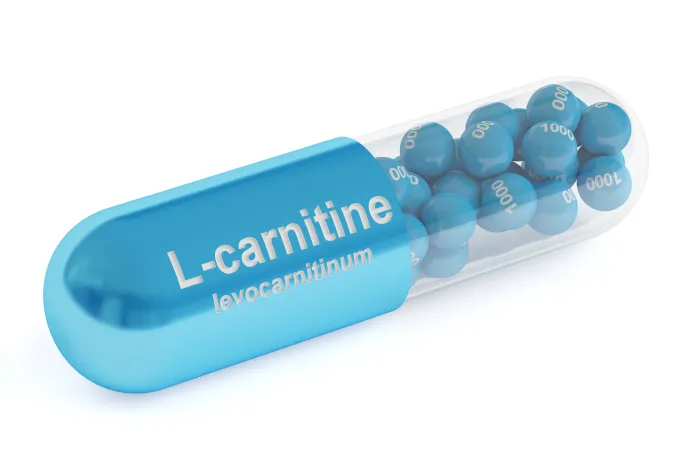
If you are curious about L-carnitine benefits, how it compares with weight-management supplements, and whether it functions as an energy enhancer, you are not alone. L-carnitine is a naturally occurring compound that supports the transport of fatty acids into mitochondria, enabling the body to convert stored fat into usable energy. It is also widely available as a dietary supplement in several forms and is frequently promoted for fat burning, performance, recovery, heart health, and cognitive support. This guide explains what current research shows, how to use L-carnitine safely, and whether it aligns with your health and fitness goals.
What Is L-Carnitine?
Learn about the basics of L-carnitine
• L-carnitine is a nutrient-like compound synthesised from the amino acids lysine and methionine, with the support of vitamin C. Its primary function is transporting long-chain fatty acids into mitochondria for energy production.
• Most individuals obtain carnitine from food sources, particularly red meat and dairy, and also produce adequate
amounts internally. It is considered “conditionally essential,” with supplementation becoming relevant only in specific circumstances.
• Common supplement forms include:
• L-carnitine, the basic form used for general support
• Acetyl-L-carnitine (ALCAR), which crosses the blood–brain barrier more efficiently
• Propionyl-L-carnitine, used in circulatory health research
• L-carnitine L-tartrate (LCLT), commonly used in sports nutrition
Science-Backed L-Carnitine Benefits
The benefits of L-carnitine are:
Weight Management: What Research Shows
• Weight loss: Meta-analyses of randomised trials indicate that L-carnitine provides a modest weight-loss advantage of approximately 0.5–1.5 kg when compared with placebo over several weeks or months. This benefit is small and should be viewed as an adjunct to diet and exercise rather than a primary fat-loss strategy.
• Body composition: Some studies have reported slight reductions in fat mass, though results remain inconsistent across different populations.
• Position among weight-management supplements: L-carnitine may offer a small boost when an individual already has nutrition, sleep, and physical activity optimised. It is not a stand-alone fat burner and should not be expected to create significant changes in isolation.
Exercise Performance And Recovery
• Recovery and soreness: LCLT has been studied for reducing muscle soreness and biochemical markers of muscle damage following physical activity. Users often report slightly improved post-exercise recovery and reduced discomfort.
• Performance: Research shows mixed results for improvements in strength, endurance, or speed. Any performance-related benefits tend to be modest and highly individualised.
Heart And Circulatory Health
• Peripheral arterial disease (PAD): Propionyl-L-carnitine has shown positive results in increasing walking distance in individuals with intermittent claudication, a condition associated with PAD.
• Heart disease: Earlier studies suggested a potential role for carnitine in supporting cardiac recovery after a heart attack, but more recent findings are inconsistent. People with heart disease should use L-carnitine only under medical supervision.
Brain And Nerve Health
• Nerve pain: ALCAR has demonstrated potential in reducing symptoms of peripheral neuropathy, including diabetic neuropathy, and may help support nerve fibre regeneration.
• Cognitive support: Research outcomes vary. Some studies in older adults have shown improvements in memory and
cognitive vitality, while others have found no significant effect.
Male Fertility
• Research combining L-carnitine and ALCAR shows improved sperm motility and, in certain studies, higher pregnancy rates among men experiencing fertility challenges. Results are not guaranteed, and assessment with a clinician is recommended.
Carnitine Deficiency And Medical Use
• True carnitine deficiency is rare and often related to genetic conditions or secondary issues such as dialysis. Management typically requires prescription formulations supervised by a clinician.
Is L-Carnitine An Energy Booster?
Here is how L-carnitine is an energy booster and what you can expect
What It Does And What To Expect
• Mechanism: L-carnitine supports the mitochondrial transport of fatty acids, contributing to overall cellular energy
output.
• Sensation of energy: It does not act as a stimulant and does not produce the rapid alertness associated with caffeine.
Most healthy adults do not experience an immediate energy surge, although some individuals with deficiencies, chronic
fatigue, or age-related declines may notice improvements in endurance.
• For sustained energy, lifestyle foundations such as adequate sleep, nutrient intake, hydration, iron and B12 status, and
physical conditioning should take priority, with L-carnitine considered only as an additional support.
Food Sources Of Carnitine
The food sources of carnitine are:
• Beef, lamb, and venison provide the highest amounts.
• Pork, cod, poultry, milk, and cheese offer moderate quantities.
• Plant foods contain only trace levels.
Note: The human body can recycle carnitine efficiently, meaning supplementation is unnecessary for most healthy individuals.
Safety, Side Effects And Who Should Avoid It
Safety, side effects and who should avoid it include:
Common Side Effects
• Nausea, stomach cramps, or diarrhoea
• Fishy body odour due to the metabolite trimethylamine
• Occasional headache or restlessness
Less Common But Important Cautions
• Seizures: Rare reports link carnitine to increased seizure activity in people with seizure disorders. Consultation with a clinician is essential in such cases.
• Thyroid concerns: L-carnitine may counteract thyroid hormone activity at the tissue level, which is relevant for individuals with hypothyroidism or those on thyroid medication.
• Kidney disease: People with chronic kidney disease or those undergoing dialysis should avoid over-the-counter
carnitine; prescription levocarnitine may be used under specialist care.
• Medication interactions: Use caution if taking anticoagulants, thyroid medication, or drugs for chronic conditions.
• TMAO formation: Carnitine can be metabolised into TMAO—a compound linked to cardiovascular risk in observational research. Those with heart disease or high risk should discuss supplementation with their cardiologist.
• Pregnancy and breastfeeding: Safety data are limited; use only if medically advised.
• Quality caution: Only use L-carnitine forms. D-carnitine and DL-carnitine can be ineffective or detrimental.
Dosage, Timing, And How To Take It Wisely
The tips on dosage, timing and consumption rules include:
• L-carnitine: 1,000–3,000 mg per day, divided into multiple doses
• ALCAR: 500–2,000 mg per day, divided
• Propionyl-L-carnitine: Typically 1,000–2,000 mg per day in PAD research
• Taking with meals helps reduce gastrointestinal discomfort.
• Split dosing between morning and early afternoon is common to support consistent absorption.
• Benefits generally require several weeks of consistent use; reassessment should occur after 8–12 weeks with clinical
guidance.
• Absorption from food is higher than from supplements, so maintaining balanced nutrition enhances effectiveness.
• Avoid exceeding labelled directions unless instructed by a healthcare provider.
How To Choose A Quality Supplement
Tips to choose a quality supplement are:
• Select products with third-party certification such as USP, NSF, or Informed Choice.
• Match the form of L-carnitine to your intended goal (for example, LCLT for recovery or ALCAR for neurological aims).
• Avoid proprietary blends that obscure ingredient quantities.
• Begin with the lowest effective dose and monitor digestion, sleep, and cardiovascular responses.
How L-Carnitine Fits Into A Healthy Routine/
How can L-carnitine be incorporated into routine
• For weight management: Prioritise calorie balance, adequate protein, high-fibre foods, resistance training, and daily movement. L-carnitine may offer a small supplementary effect.
• For performance: Focus on training structure, sleep quality, hydration, and carbohydrate timing. Use LCLT if recovery limitations persist.
• For heart or nerve health: Work closely with your healthcare team, as benefits are condition-specific and require clinical oversight.
Key Takeaways
- L-Carnitine benefits are real but goal-specific and generally modest for weight loss and performance.
- It may help certain medical conditions (PAD, some neuropathies, specific deficiencies) under medical guidance.
- Safety is good for most adults at typical doses, but some people should avoid it or use it only with clinician oversight.
- Think of L-carnitine as a supportive tool—most results come from nutrition, sleep, movement, and consistent habits. If
you’re evaluating weight loss supplements or an energy booster, it can be part of the plan, not the whole plan.
Consult Top Specialists

Ms Malabika Datta
Dietician
19 Years • Bsc (Clinical Nutrition & Dietetics), Msc (Dietetics & Food Service Management)
Kolkata
Malabika’s Diet Clinic, Kolkata

Ms. Sushma Jaiswal
Dietician
42 Years • M.Sc.(Food & Nutrition)
Bengaluru
Swasthya Nutrition, Bengaluru

Dr Darshana R
General Physician/ Internal Medicine Specialist
15 Years • MBBS, MD, DNB (Internal Medicine), Diploma in Allergy, Asthma and Immunology , Fellowship in Diabetes
Bengaluru
Apollo Clinic, JP nagar, Bengaluru

(125+ Patients)

Ms. Neelanjana J
Dietician
5 Years • Bsc., Msc. Nutrition and Dietetics specialised general weight management, PCOS/PCOD weight loss and Diabetes management. A clinical dietitian with 4+ year experience specializing in evidence-based, result-oriented nutrition therapy. I have extensive experience in weight loss, thyroid management, PCOD/PCOS, weight gain, and diabetes & prediabetes care. My approach is personalized, practical, and sustainable—focusing on helping individuals achieve long-term lifestyle change rather than quick fixes. I work closely with clients to understand their medical history, lifestyle, and goals, and then design customized diet plans that support hormonal balance, metabolic health, and overall wellbeing. My goal is to make nutrition simple, realistic, and effective—so you see measurable results and feel your healthiest self.Auther in Health benefits of jackfruit (Artocarpus heterophyllus Lam.) seeds: A review (2023) The Pharma Innovation Journal Co- Auther in Malnutrition in Women: A review (2023) The Pharma Innovation Journal. Highfield Level 3 in HACCP. Highfield Level 4 International Award in Food Safety Managment
Bengaluru
Apollo Clinic, JP nagar, Bengaluru

Ms Chetu Singhi
Dietician
20 Years • MSC Dietetics & Nutrition
Kolkata
RB Diagnostic - Dietician Diet2fit Chetu Singhi, Kolkata
More articles from Diet for Weight Loss




Frequently Asked Questions
1) Does L-carnitine help with weight loss?
It can support a small, additional weight loss when combined with diet and exercise, based on randomised trials. Expect modest changes—not a dramatic fat loss effect.
2) Is L-carnitine safe to take daily?
Generally yes at typical doses (up to 2–3 g/day), but some people experience stomach upset or a fishy odour. If you have thyroid issues, seizures, heart disease, or kidney disease—or take important medications—ask your clinician first.
3) What’s the best time to take it?
Split your dose with meals (e.g., breakfast and lunch) to improve tolerance. Avoid late-evening doses if you find they affect sleep.
4) Can vegetarians or vegans benefit from L-carnitine?
Plant-based diets provide little carnitine, but most healthy bodies make enough. Some vegetarians or vegans may still choose to supplement for specific goals; discuss testing and options with a clinician.
5) Can I combine L-carnitine with caffeine or pre-workout?
Yes, many products combine them. Caffeine provides stimulant energy; L-carnitine supports fat transport. If you’re sensitive to stimulants, start with a low dose and monitor your response.